Tag

Civil Asset Forfeiture

All articles tagged with #civil asset forfeiture

legalcivil-rights2 years ago

FBI's $86 Million Seizure: Constitutional or Legal? Appeals Court to Decide.

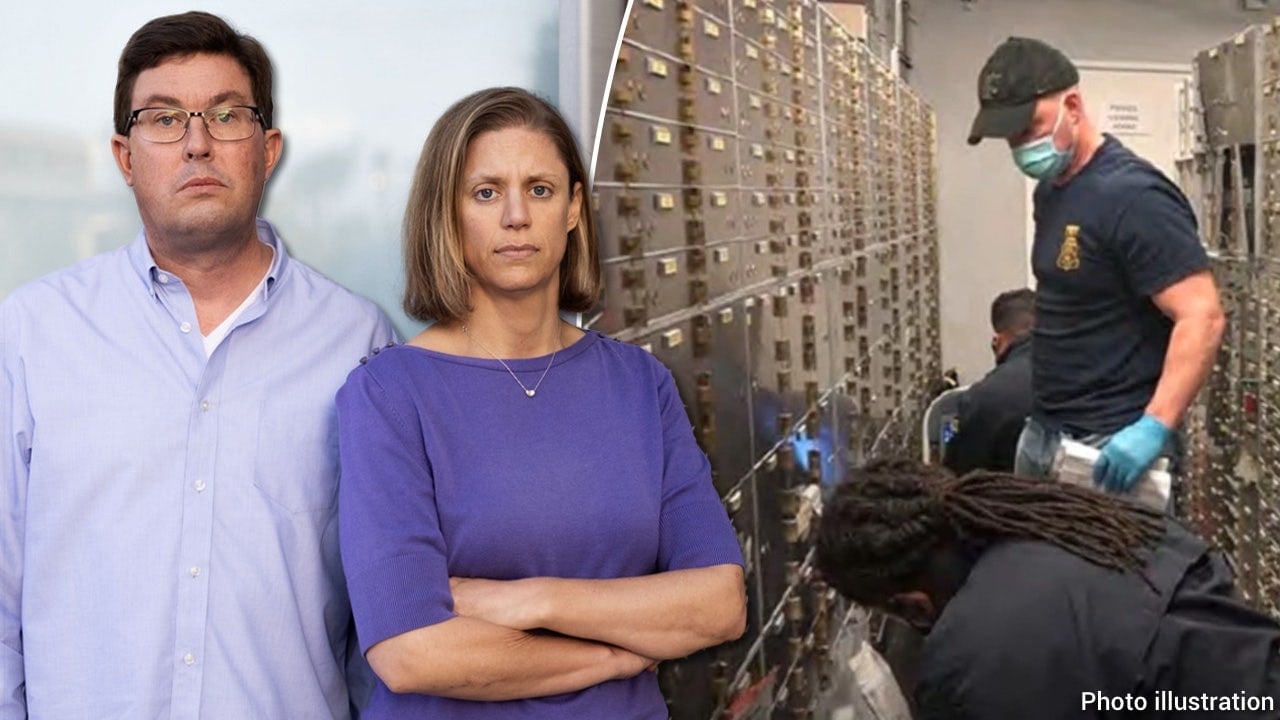
The 9th Circuit Court of Appeals is set to decide whether the FBI's seizure of safe deposit boxes, containing $86 million in cash and valuable items, violated customers' Fourth Amendment rights. The FBI raided U.S. Private Vaults, a Beverly Hills business accused of money laundering, and initiated civil asset forfeiture proceedings against the boxes without charging the owners with any crimes. The Institute for Justice argued that the FBI exceeded the bounds of the warrant and violated individuals' rights. The appeal comes after a lower court ruled in favor of the FBI. The panel is expected to issue a decision in a few months.

legalcriminal-justice2 years ago

"Texas Lawsuit Targets Police and Prosecutors' Cash Seizures in 'Legal Theft' Battle"

A class action lawsuit has been filed against Harris County in Texas, alleging that law enforcement regularly seizes cash and cars from individuals who have never been convicted of a crime. The lawsuit argues that Harris County has one of the most abusive forfeiture programs in the country, with police specifically targeting cash and cars for seizure. The case stems from a 2019 traffic stop where a deputy seized a trucker's life savings, alleging it could be connected to criminal activity. Critics argue that civil asset forfeiture is a form of "legal theft" and that police and prosecutors often abuse the practice. The lawsuit seeks to challenge the seizure practices and the financial incentives that allow law enforcement to keep 100% of forfeiture proceeds.

criminal-justice2 years ago

Supreme Court Divided on Police Property Seizures

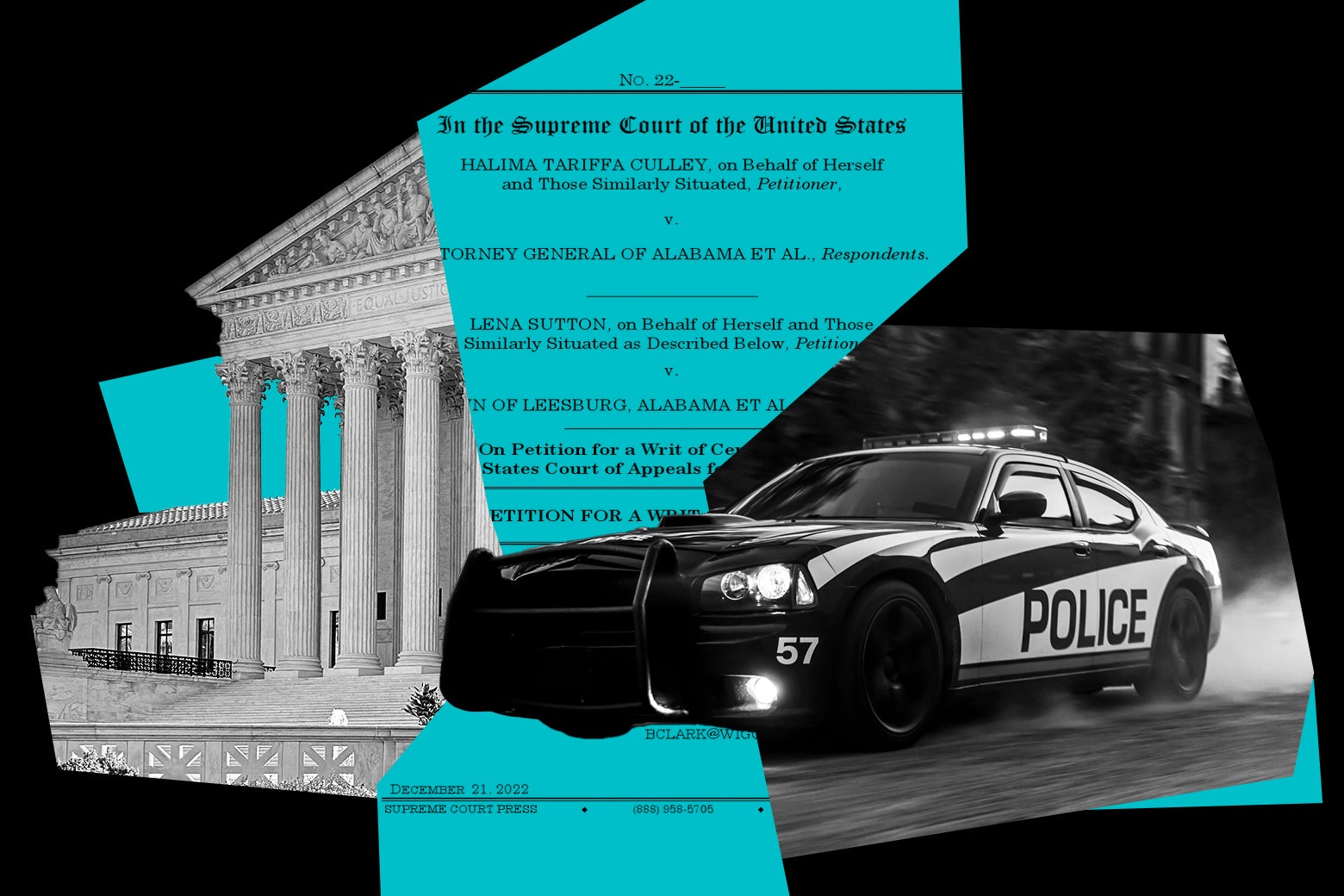
The Supreme Court is considering a case that could have significant consequences for victims of civil asset forfeiture, a practice that allows police to seize and keep property allegedly involved in a crime, even if the owner has not been convicted or accused. The case involves two individuals in Alabama whose cars were seized by police during routine traffic stops. The state initiated civil asset forfeiture proceedings, and the individuals were unable to get their cars back for months. The justices expressed skepticism about the abuses of civil asset forfeiture and questioned the lack of procedural safeguards. A decision in favor of the victims could set boundaries on this controversial practice.

law-and-justice2 years ago

Supreme Court Divided on Return of Seized Property

The Supreme Court is divided on whether to make it easier for individuals whose property has been seized by the police to argue for its prompt return. Some justices expressed concerns about the abuse of civil asset forfeiture, while others questioned whether the available procedures in the cases before them were sufficient. The cases involve innocent owners whose vehicles were seized due to criminal activity by others. The court's ruling may have implications for the due process rights of individuals and the potential for abuse in civil asset forfeiture cases.

crime2 years ago

DEA Agents Conduct Controversial Cash Seizures at Airline Gates

DEA agents disguised as ordinary passengers are conducting searches on airline passengers at their gates, targeting minorities and seizing cash without making any arrests. Passengers are often unaware that they have the right to refuse the search, but doing so may result in detention. The government's civil asset forfeiture process requires victims to prove that the seized money was not involved in a crime in order to get it back, often through a complex and partial settlement. The agency seizing the money is allowed to keep a portion for themselves. This abusive practice has led to lawsuits and a nationwide class action. It is advised not to carry large amounts of cash at the airport, as it can be subject to confiscation.

government2 years ago

Unveiling the Government's Legal Tactics: A Lawyer's Perspective on Property Rights

The federal government is accused of waging war on Americans and their property through the complex and confusing process of civil asset forfeiture, according to attorney Dan Alban from the Institute for Justice. Civil asset forfeiture allows the government to seize money or property suspected of being linked to criminal activity without charging or convicting the owner. The burden of proof falls on the property owner, making it difficult and expensive to fight for the return of seized assets. State and federal agencies have a profit incentive to seize property, as the proceeds go into their coffers. The process is criticized for lacking due process and discouraging property owners from fighting back due to high legal costs. The FAIR Act, which aims to overhaul federal civil asset forfeiture laws, has been introduced but has not yet passed.