
Advancements in Chromosome Replication Model Revolutionize Physics
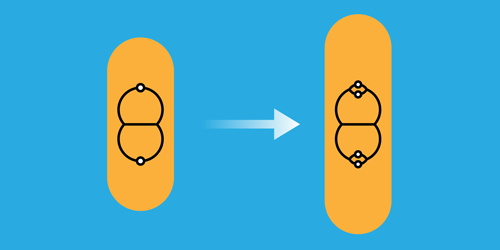
A new theoretical study by researchers from the University of California, San Diego, has upgraded the model of chromosome replication in bacteria, shedding light on the molecular mechanisms that control replication initiation. The model explains why the protein responsible for replication initiation switches between two states and why it is immediately sequestered by the cell. The study provides insights into how living cells achieve precise control of replication and other cellular cycles, with potential implications for understanding evolutionary processes and designing synthetic cells.