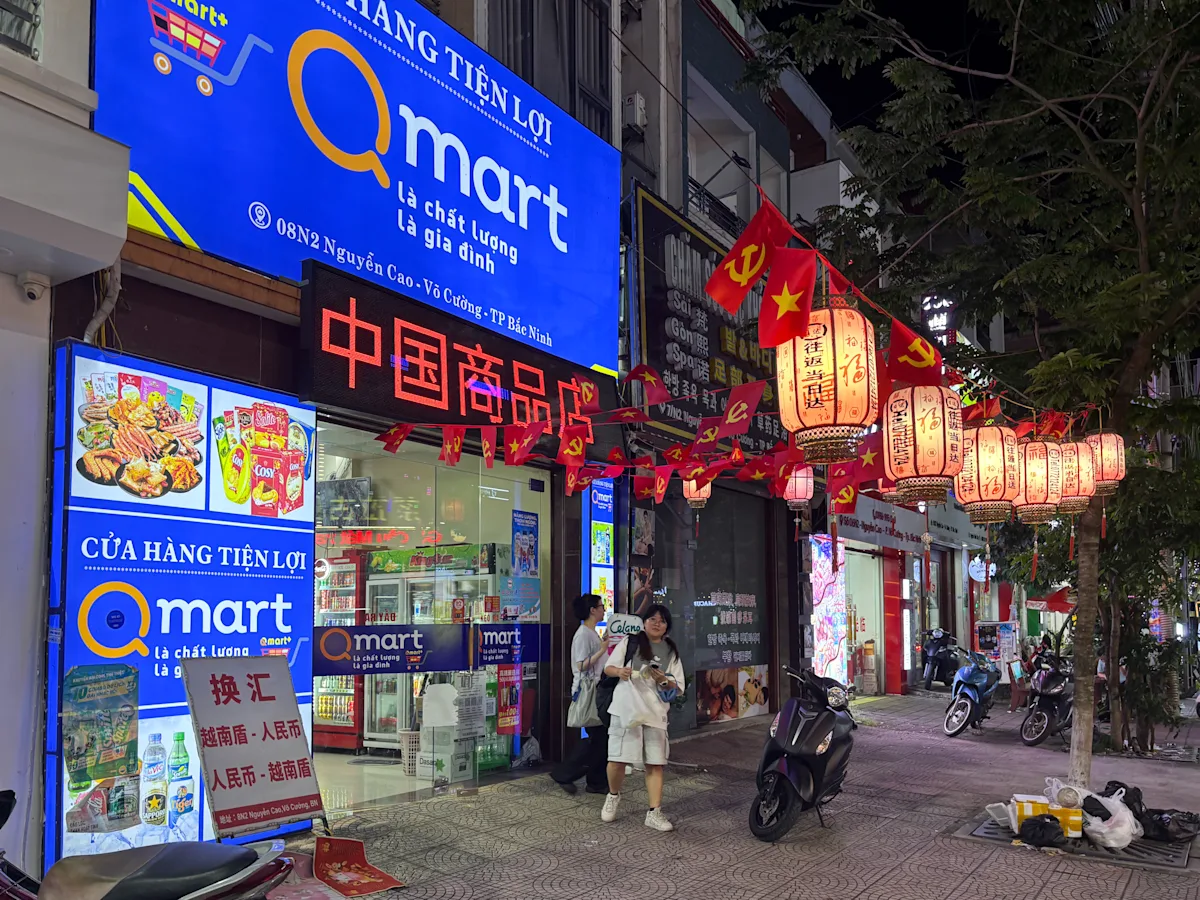
Vietnam's Bac Ninh has transformed from a traditional rice-farming town into a major manufacturing hub, attracting Chinese and other foreign investments as factories shift out of China due to tariffs and trade tensions. The region is expanding infrastructure and high-tech industries to sustain growth, but faces challenges like rising costs and competition from other Southeast Asian countries.
Green Charter Township in Michigan has become a battleground in the economic contest between the US and China, as residents oppose a plan by Gotion, a Chinese company subsidiary, to build a $2.4 billion electric vehicle battery factory. Many fear the company's presence is a dangerous infiltration by the Chinese Communist Party, leading to backlash, death threats, and attempts to unseat elected officials who supported the project. Concerns about national security and growing anti-China sentiment have led to a broader movement by states to erect new barriers to Chinese investment. While animosity towards China has deterred Chinese investment in the US in recent years, new federal incentives aimed at spurring American production of electric vehicles are starting to attract foreign companies, including those from China. However, the possibility of American taxpayers subsidizing Chinese firms has sparked anger and scrutiny at the local level and in Congress.
Michigan Democrats faced backlash from residents for approving a $170 million Chinese-backed green energy project, with citizens pleading with the committee to "do what is right." The project involves constructing an electric battery plant owned by Gotion, a Chinese tech company, in Big Rapids Township. The corporate bylaws of Gotion High Tech reportedly require it to conduct "Party activities in accordance with the Constitution of the Communist Party of China." Despite hearing several heated comments from Big Rapids citizens, the committee approved the measure in a tight 10-9 vote.