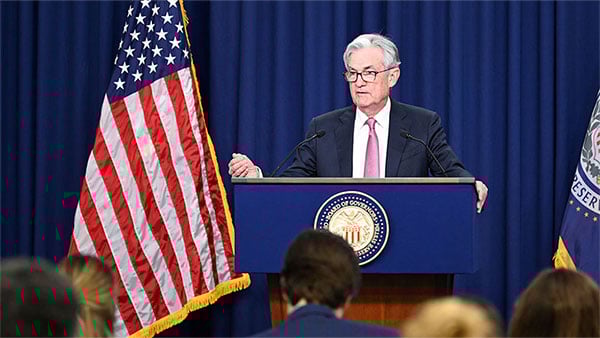
Stock futures are mixed ahead of the Fed's interest rate decision, with Nvidia falling over China restrictions and Uber dropping after a partnership announcement. The market awaits the Fed's decision and Powell's comments, while StubHub goes public.
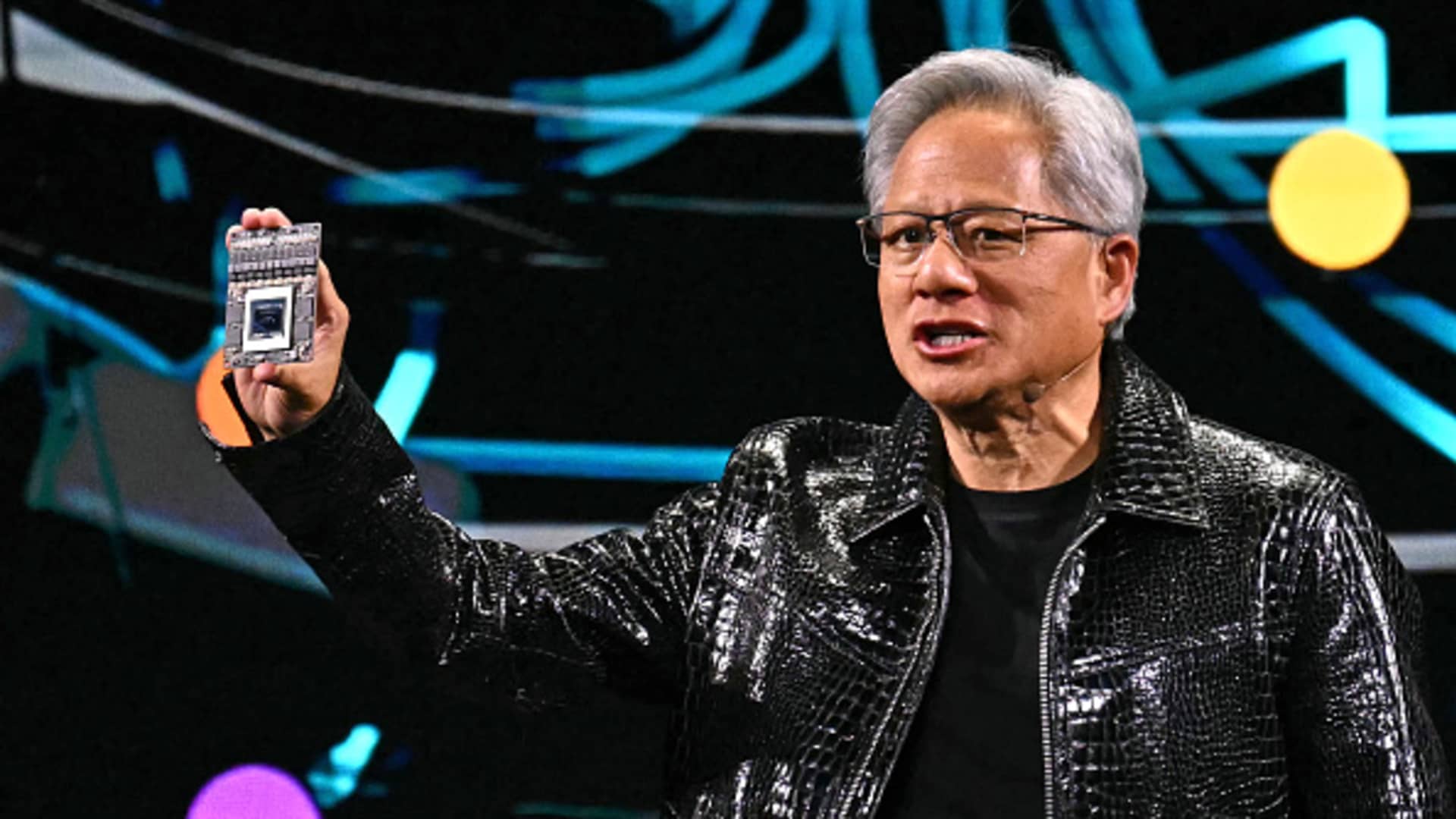
Nvidia CEO Jensen Huang expressed disappointment over China's reported ban on its AI chips, highlighting the complex geopolitical tensions affecting the company's business in China, despite its long-standing presence and investments in the Chinese market.
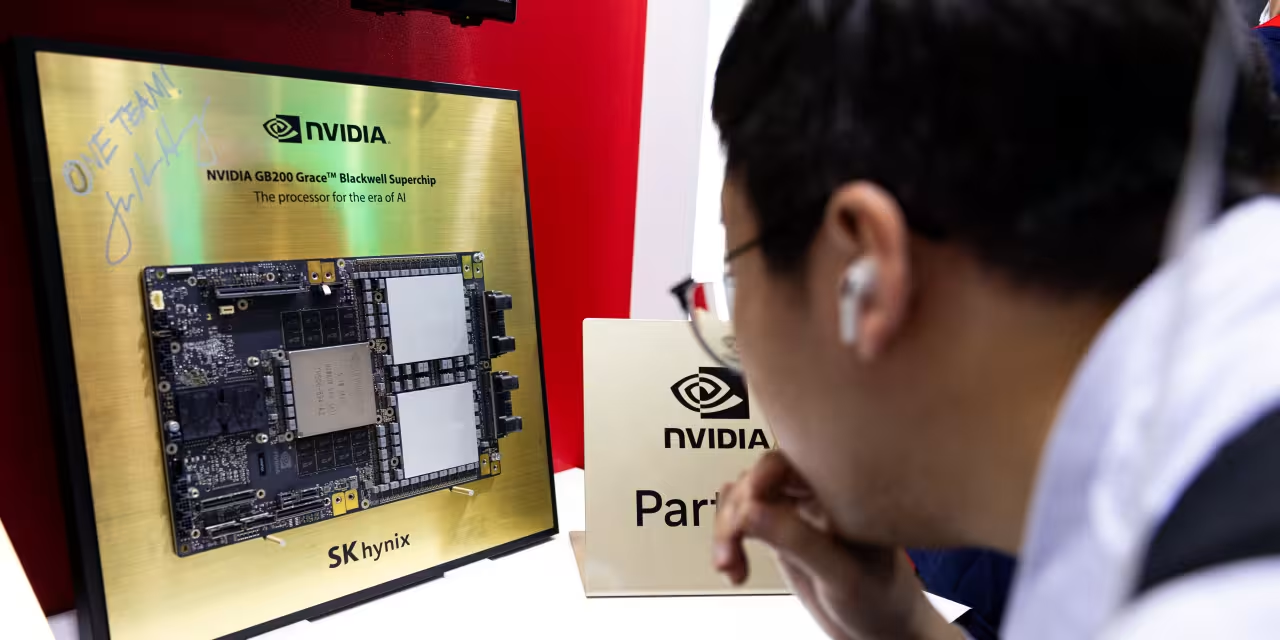
Nvidia's stock declined after reports that China has banned its custom AI chips, impacting the company's Chinese market ambitions amid ongoing US-China trade tensions. The ban on RTX Pro 6000D and other restrictions reflect China's push to develop domestic AI chip capabilities, complicating Nvidia's growth prospects in China. Despite these challenges, Nvidia continues to adapt and expand in other markets, including a new partnership in the UK.
Piper Sandler estimates that the ban on H20 chip sales to China cost Nvidia approximately $8 billion in sales during the July quarter, but expects the ban to be lifted soon, which could benefit Nvidia and other AI chip companies like Micron and AMD.
Nvidia has demonstrated remarkable resilience and growth despite a China sales ban, with a 69% revenue increase to $44.1 billion in Q1 driven by AI demand, and a market value nearing $3.4 trillion. The company has managed supply chain concerns and is optimistic about future AI infrastructure growth, driven by innovations like reasoning models, AI agents, and sovereign AI deals, positioning it as a potential once-in-a-generation tech leader.
The United States has begun purchasing Japanese seafood in bulk to supply its military stationed in Japan, in response to China's ban on such products following the release of treated water from the Fukushima nuclear plant. The US ambassador to Japan, Rahm Emanuel, stated that this initiative aims to counter China's "economic wars" and support the targeted country or industry. The first purchase involves scallops, but the plan is to expand to all types of seafood. China, which was the largest buyer of Japanese seafood, claims its ban is due to food safety concerns. The US is also considering its overall fish imports from Japan and China. Emanuel, who rejects being labeled as hawkish on China, emphasized the need for honesty and stability in the US-China relationship.
Micron, the only memory chip manufacturer in the U.S., is facing challenges due to China's ban on U.S. technologies and a slump in smartphone sales. However, the company is investing $15 billion to build the biggest chip fabrication plant in U.S. history in Boise, Idaho, and plans to increase the U.S. share of dynamic random-access memory (DRAM) production from 2% to 15% by 2026. Micron is also investing $100 billion over 20 years to build four fabs in upstate New York. The company aims to diversify its base and reduce reliance on China while benefiting from government incentives and the CHIPS and Science Act.
Micron Technology (MU) reported decent 3Q FY2023 earnings despite facing headwinds from China's ban on its memory chips. The company highlighted that approximately 50% of its revenue from China is at risk, which could lead to a loss of market share. MU's valuation is considered expensive, with declining growth and a high EV/Sales TTM. The company's revenue growth has significantly slowed, and its recovery may take longer than expected. The ban's impact on MU's manufacturing facilities and the full extent of the restrictions remain uncertain. Analysts have reduced revenue consensus, and the stock's valuation is nearing its pandemic high. Holding MU may carry a high opportunity cost, and investors should closely monitor the company's FY2024 outlook.
Micron Technology reported stronger-than-expected results for its May quarter, causing its stock to rise in after-hours trading. However, the chip maker also warned that the ongoing ban on sales to China's Huawei would slow down its recovery.