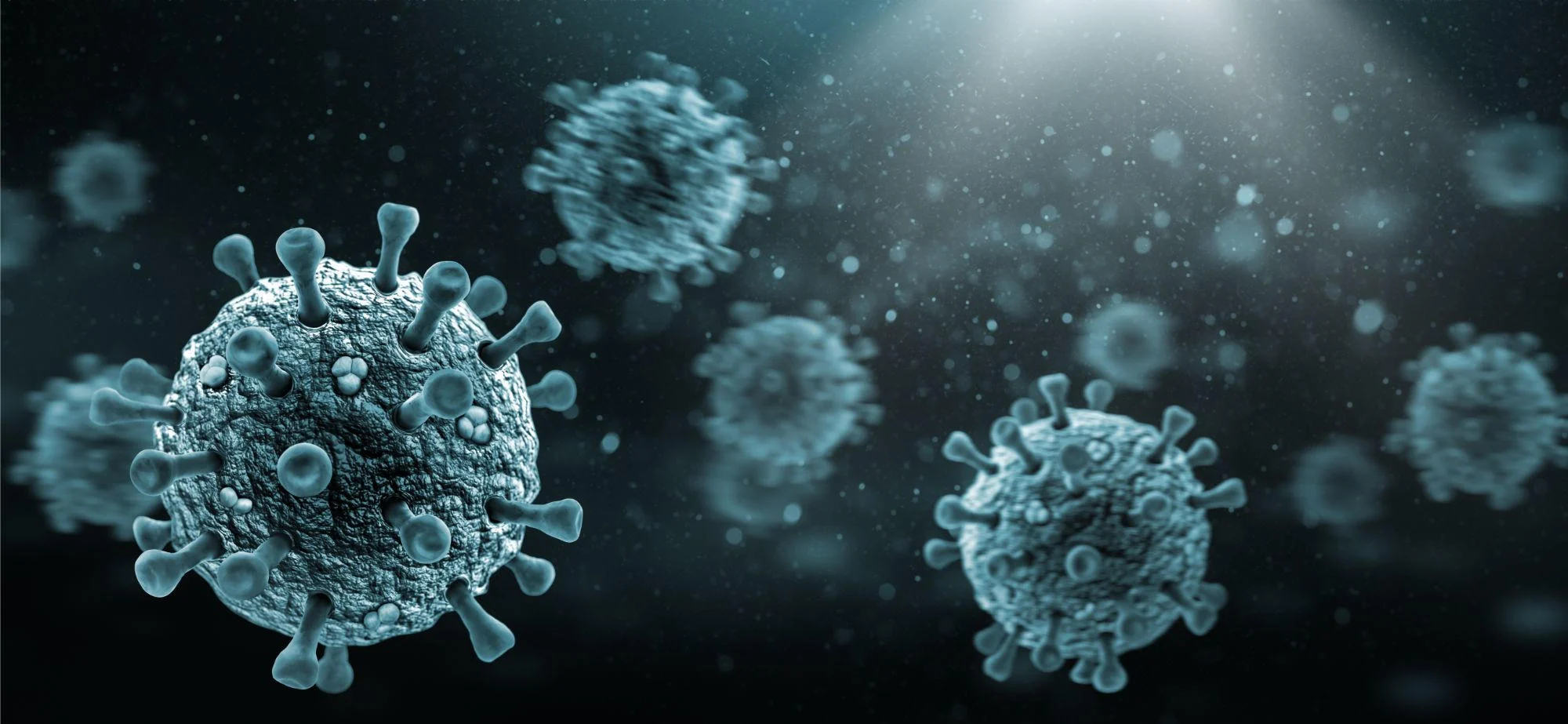
Scientists have discovered 'Migrions,' a new virus-like structure formed when vesicular stomatitis virus is packaged into migrasomes, which enhances viral spread by hitching a ride on migrating cells, leading to faster and more aggressive infections.
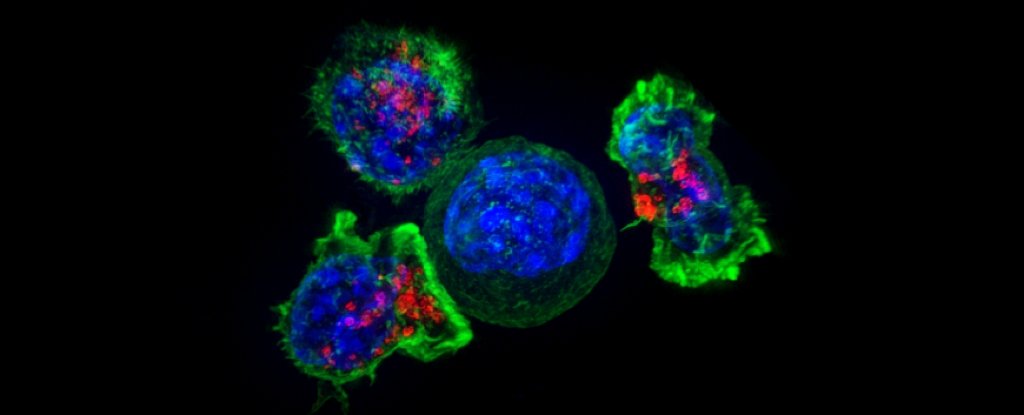
Scientists at the University of Southern California have discovered a new mechanism through which cancer cells spread and resist treatment. The key protein involved is GRP78, which normally aids in protein folding. Under stress, GRP78 migrates to the nucleus and alters cell behavior, controlling gene expression. The researchers found that GRP78 regulates genes involved in cell migration and invasion, including EGFR. Additionally, GRP78 interacts with another protein, ID2, inhibiting its ability to limit gene activity related to cell migration. Understanding these mechanisms could lead to potential strategies for preventing cancer metastasis by targeting GRP78 or blocking ID2.