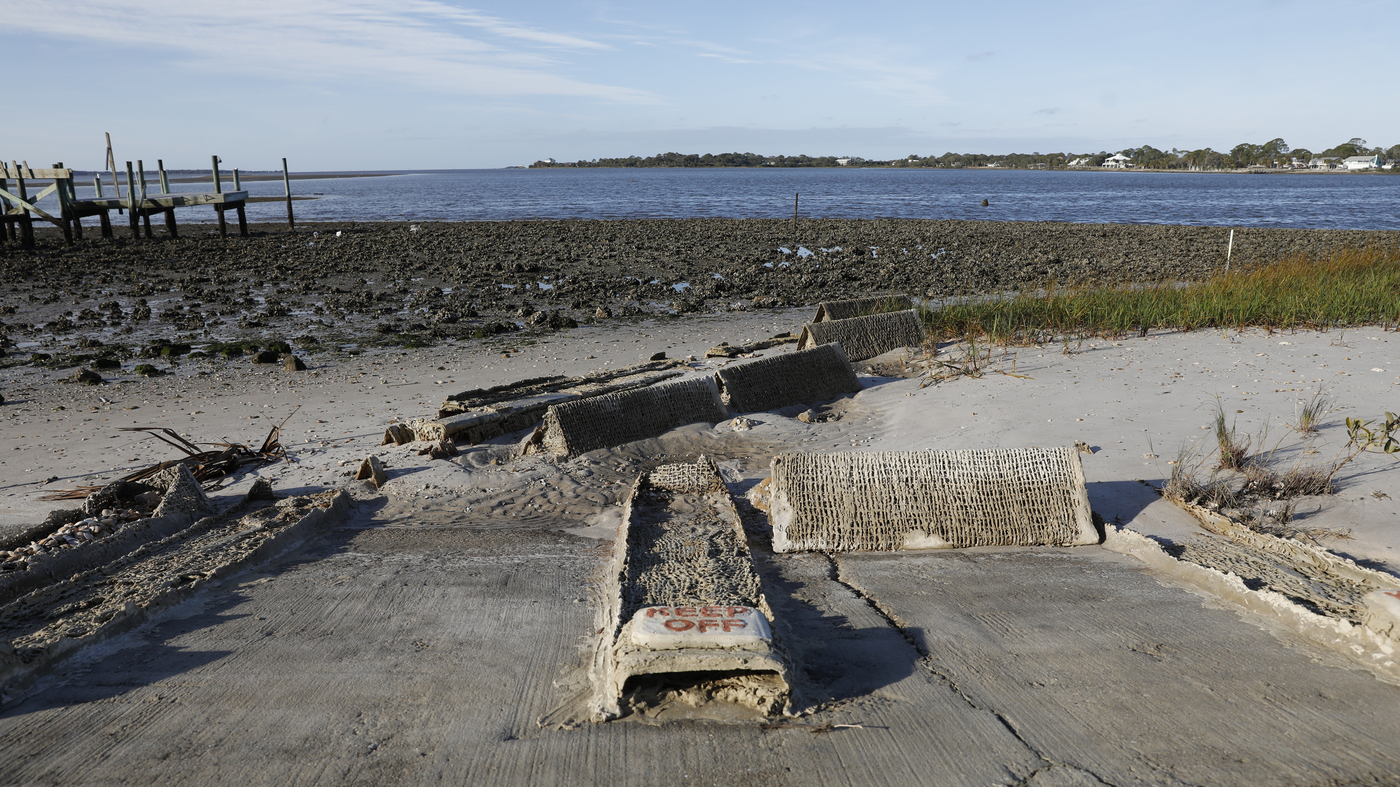
Hurricane Idalia caused significant damage to Cedar Key, Florida, but nature-based "living shoreline" projects, created by researchers from the University of Florida, proved to be relatively undamaged. These projects, which mimic nature by using sand, marsh plants, and artificial reefs to encourage the growth of oyster beds offshore, significantly reduced the height and power of the waves reaching the shore during the hurricane. Unlike human-made structures, the living shorelines absorbed and reduced the energy of incoming waves, providing significant protection to roads, buildings, and other structures onshore. The success of these projects highlights the potential of nature-based protection measures in coastal areas.
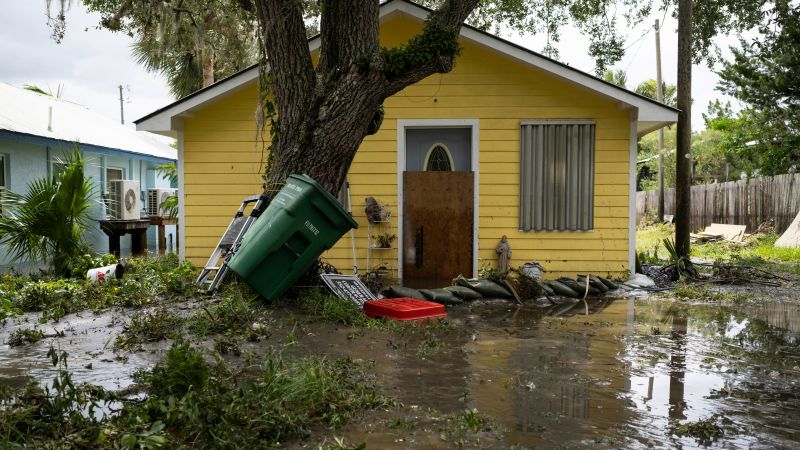
Hurricane Idalia caused record-high storm surge, flooding much of Cedar Key, Florida, a small island town known as a haven for artists and writers. The storm lifted and tossed old homes into the Gulf, inundated the waterfront commercial district, and left the town without power, water, and sewage. Despite the destruction, there were no reported injuries or loss of life due to early warnings and a mandatory evacuation order. The community is now focused on cleaning up and rebuilding.
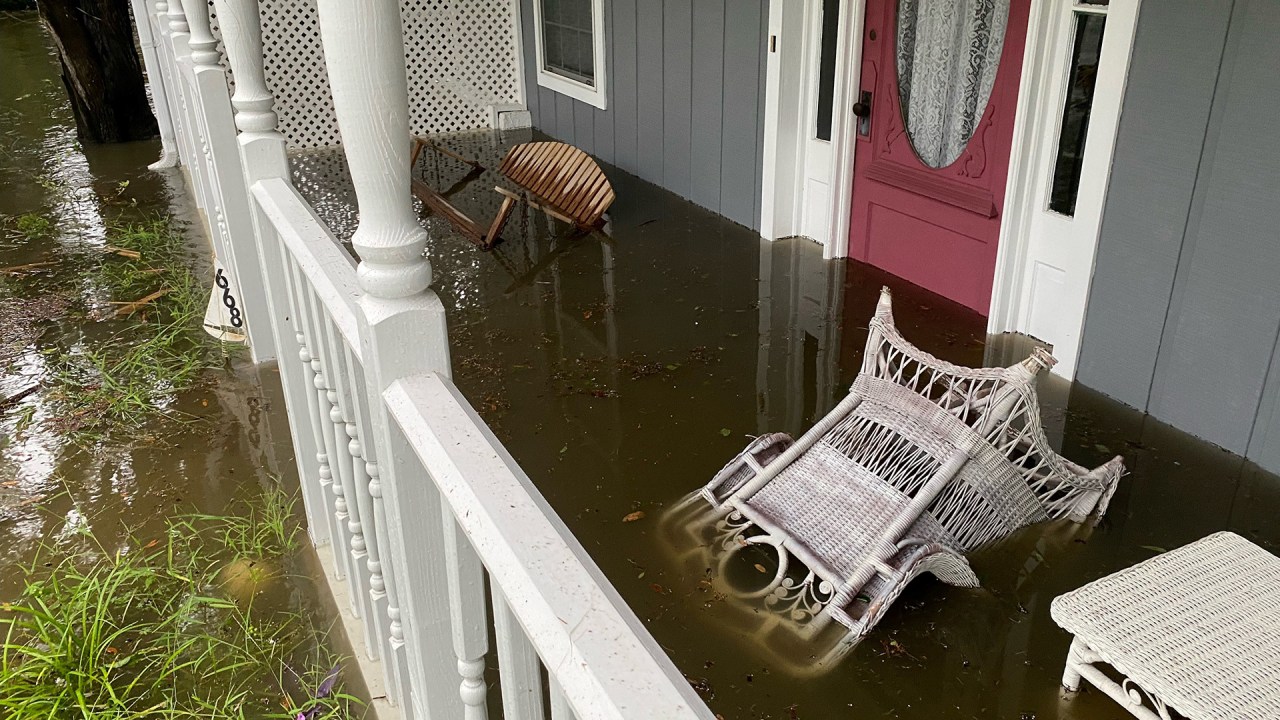
Cedar Key in Florida is recovering from the aftermath of Hurricane Idalia, a Category 3 hurricane that caused catastrophic damage. Photos show extensive flooding, with water reaching the middle of front doors and debris floating in the floods. Power has been restored in the downtown area, but electrical shortages are still reported. The island has reopened to pass holders, but residents are urged to check their properties and leave immediately after.