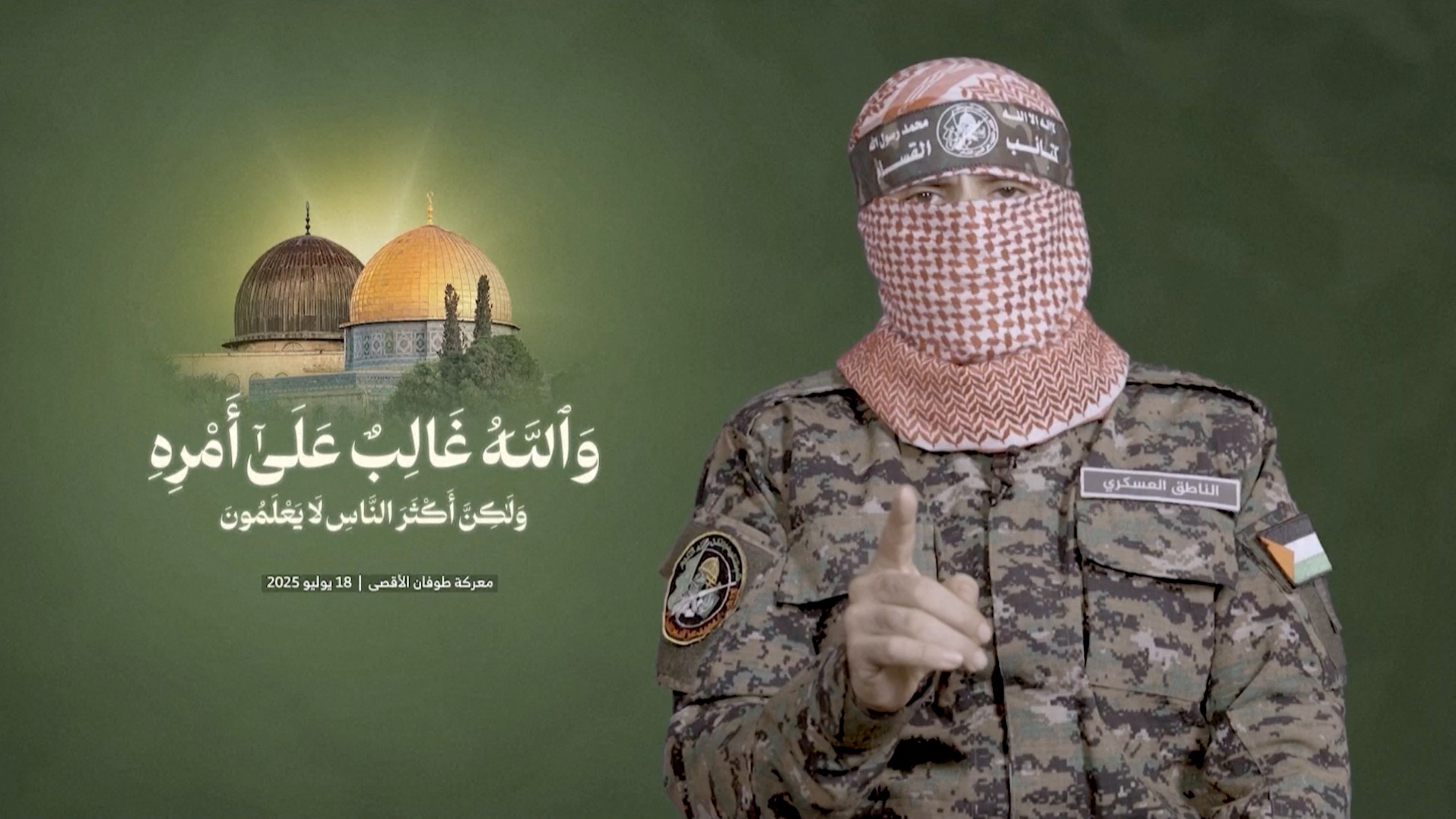
Hamas's spokesperson Abu Obaida announced that Israel rejected a comprehensive ceasefire deal that included the release of all captives, despite Hamas's repeated offers. The situation remains tense with indirect talks in Qatar facing deadlock, and ongoing violence in Gaza with significant casualties. Abu Obaida criticized Arab leaders and called for global action to support Palestinians.
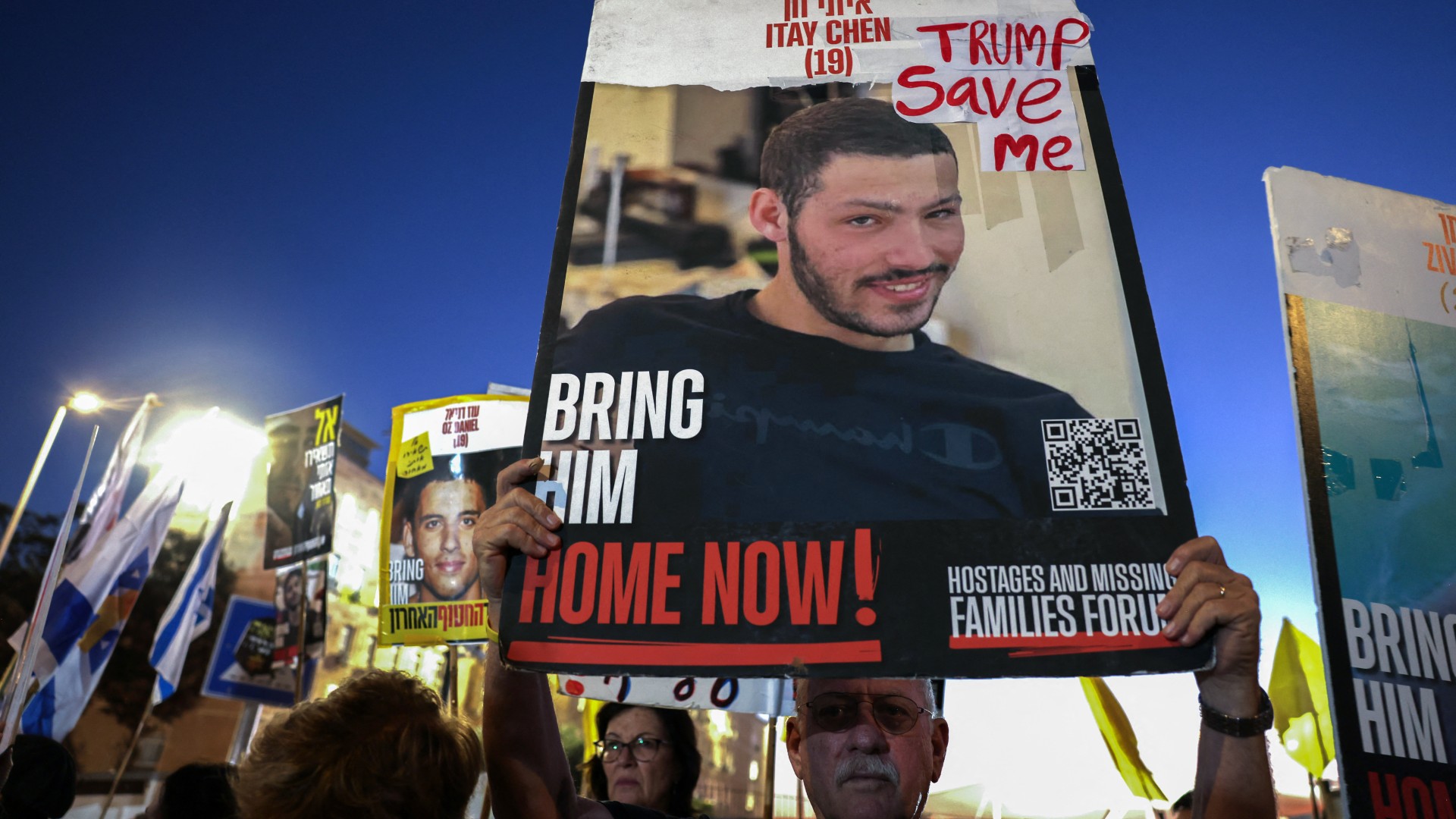
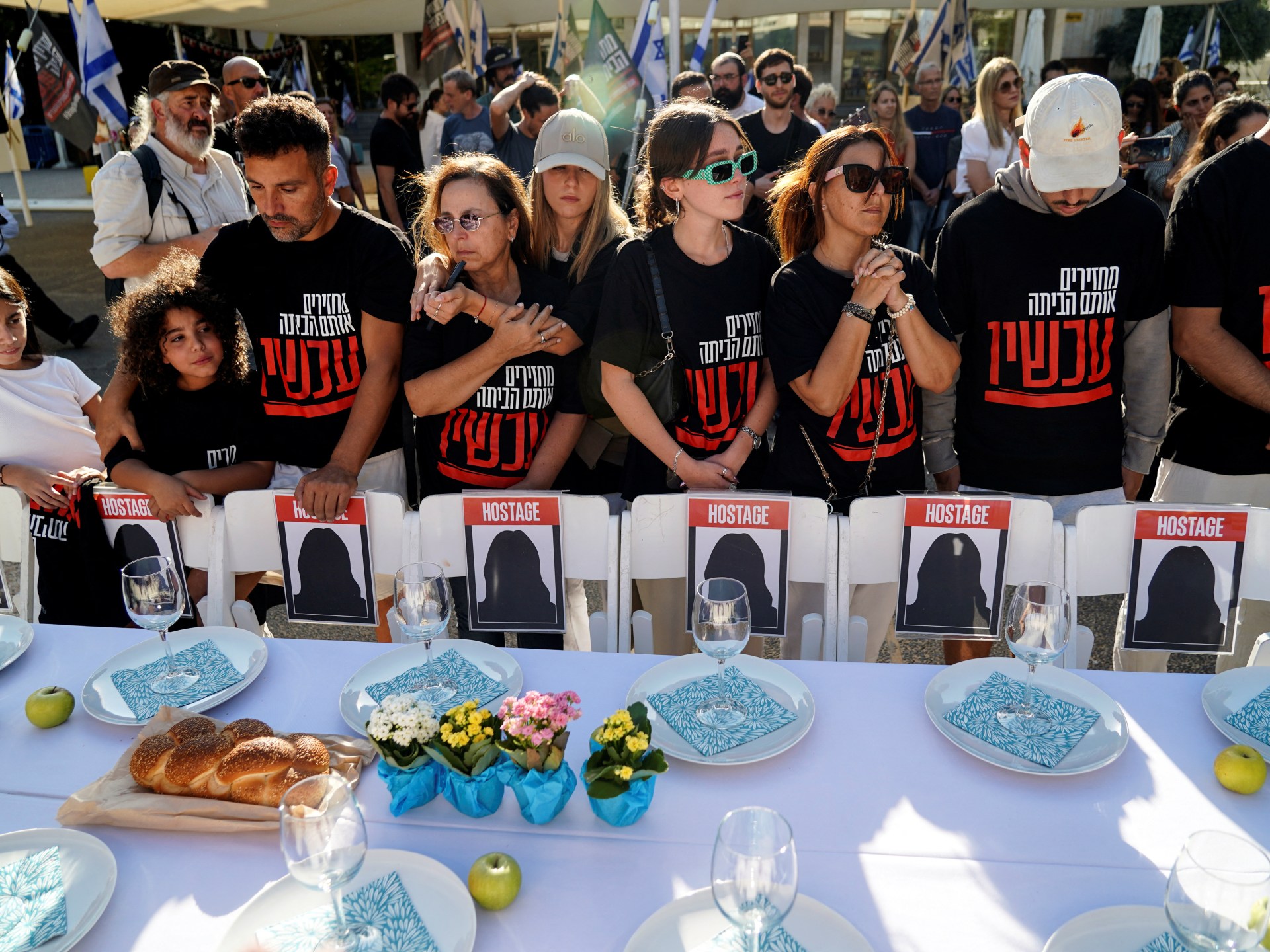
Families of Israeli captives in Gaza reached out to Hamas to inquire about stalled ceasefire negotiations, with Hamas expressing willingness to end the war and release captives but citing Israeli intransigence. The ceasefire, initially agreed upon in January, collapsed in March after Israel resumed bombing Gaza and took back captives. Despite ongoing negotiations and proposals, key issues like Israeli withdrawal and aid distribution remain deadlocked, with Hamas blaming Israel for the continuation of hostilities and civilian suffering.
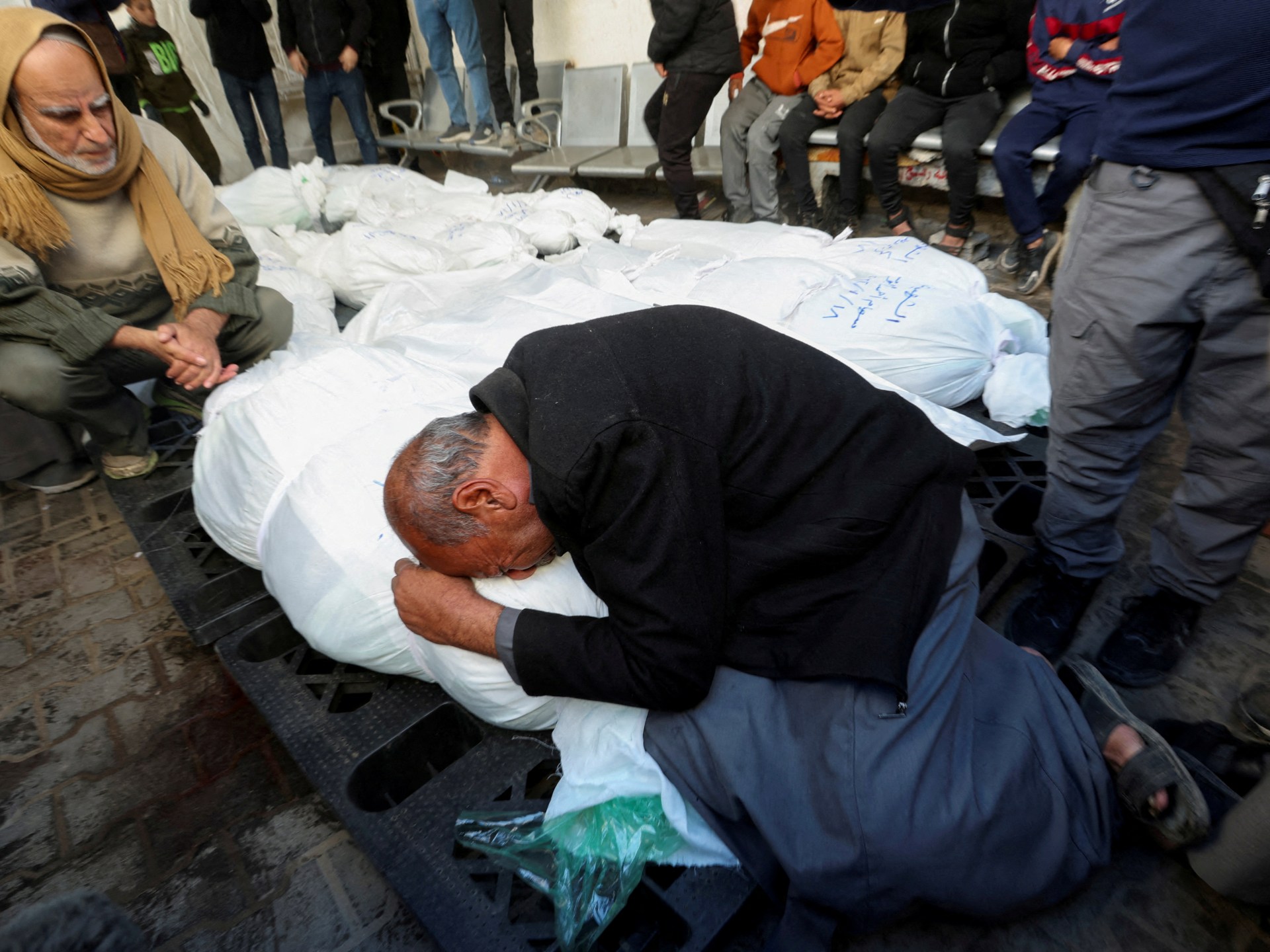
Israel conducted air strikes in Gaza to rescue captives, resulting in the deaths of 67 civilians. Two Israeli captives were rescued, but more have been released through negotiations and truces. Over 28,000 people have been killed in the war, with hundreds of captives taken and some killed. Israel's rescue operations have led to civilian casualties, and the country is rejecting negotiations with Hamas for the remaining captives. International leaders have warned against further military operations in Gaza.
Families of Israeli captives deny responsibility for leaking audio of Prime Minister Netanyahu criticizing Qatar's role in negotiating the release of captives held by Hamas, stating that all meetings with the Prime Minister are recorded by his office. Netanyahu's office had initially blamed the families for the leak, but Israeli media reported evidence of a text message from one of the family members present at the meeting. The leaked audio sparked controversy as it revealed Netanyahu's criticism of Qatar's involvement and financing of Hamas, with Qatar's foreign ministry spokesperson expressing dismay and stating that the remarks could hinder efforts to secure the release of the remaining captives.
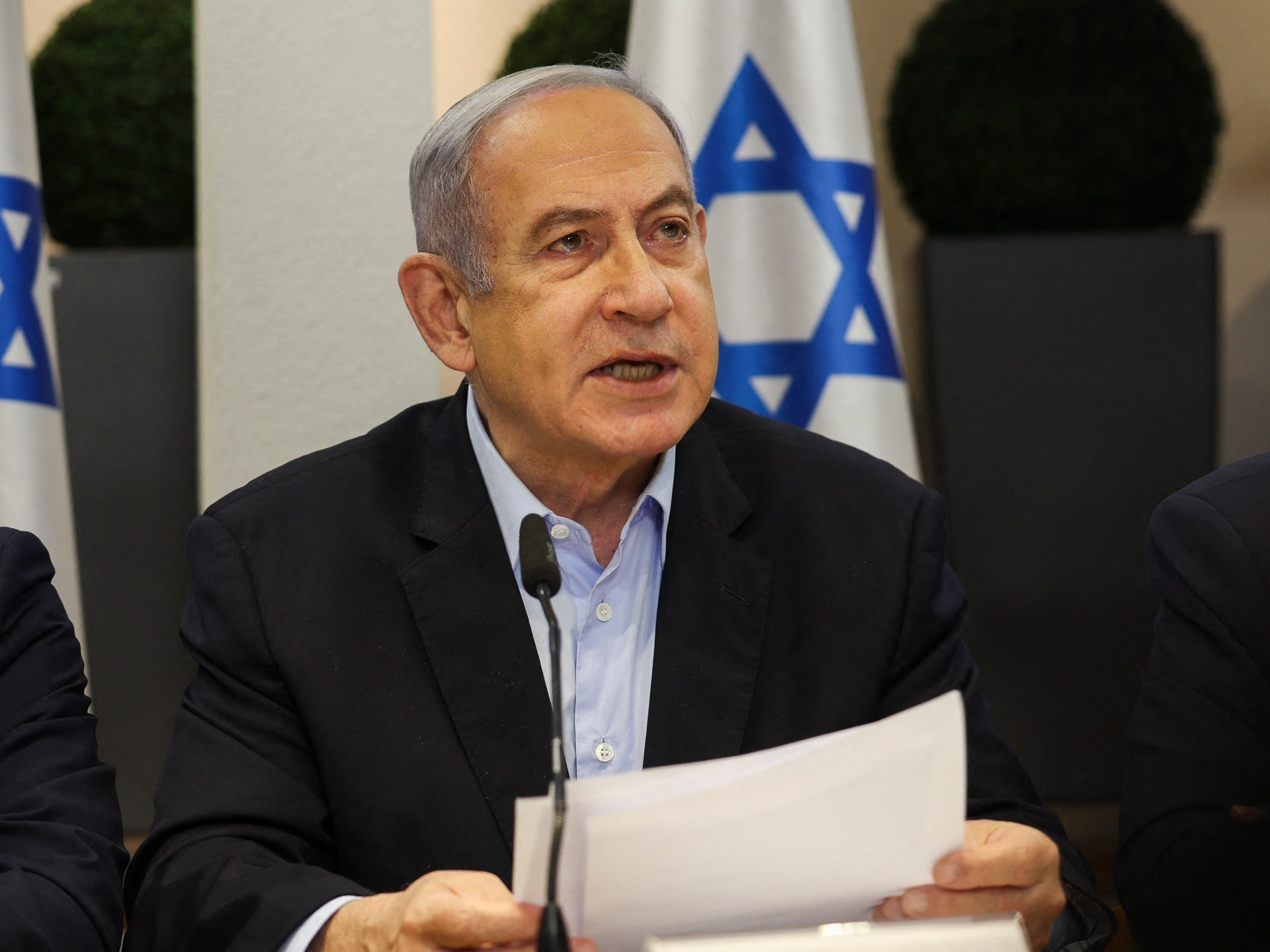
Israeli Prime Minister Benjamin Netanyahu has rejected Hamas's proposal to end the war and release captives in exchange for withdrawing Israeli forces, releasing prisoners, and accepting Hamas's governance of Gaza. Netanyahu stated that accepting Hamas's conditions would mean leaving the armed group intact and that Israel's soldiers would have "fallen in vain." Pressure is mounting on Netanyahu from various fronts, including families of the captives, members of his ruling coalition, and strained relations with the US administration. Hamas, which is still holding 136 captives, released a report describing its recent attack on southern Israel as a necessary step while admitting faults in its execution.
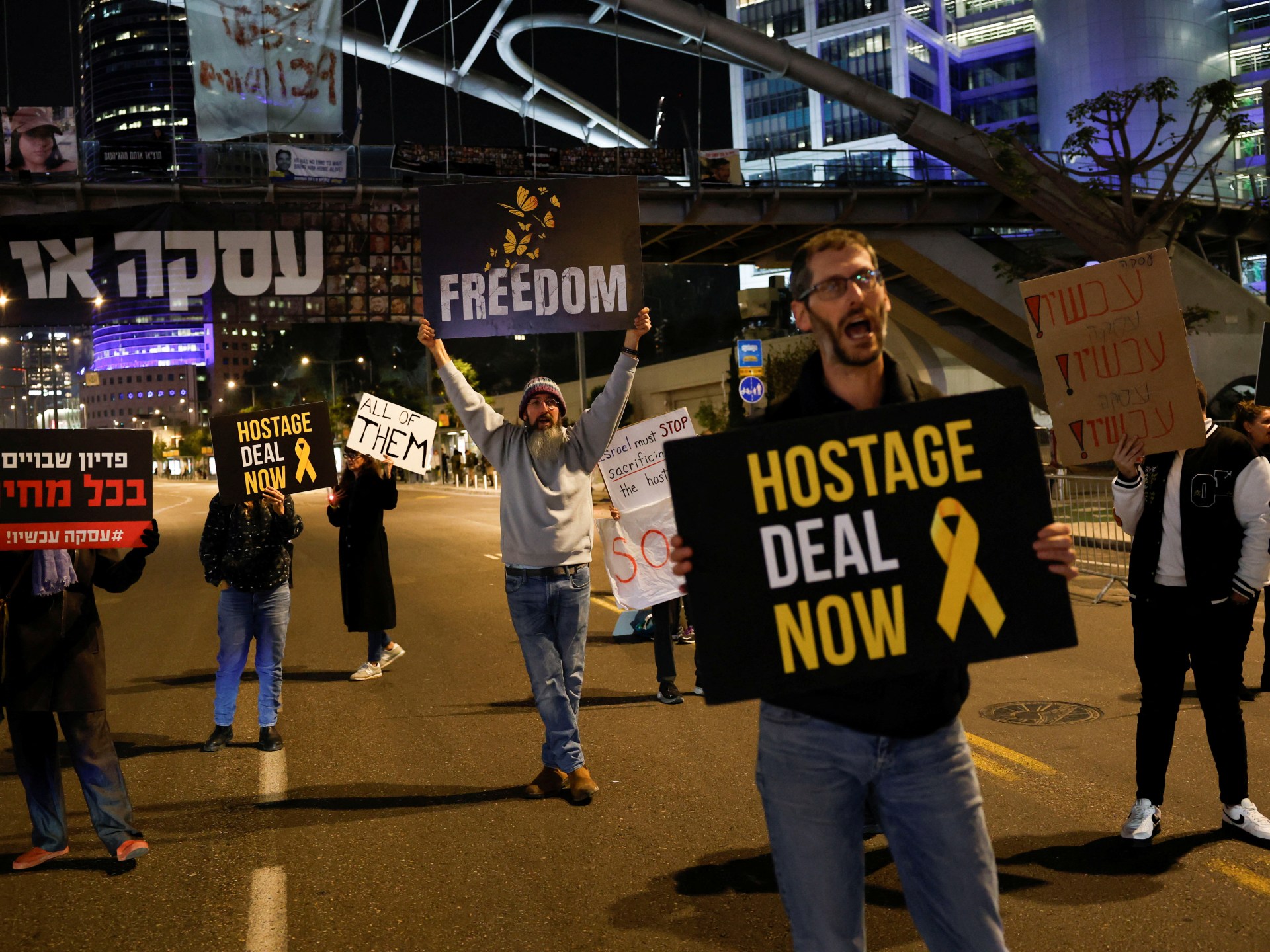
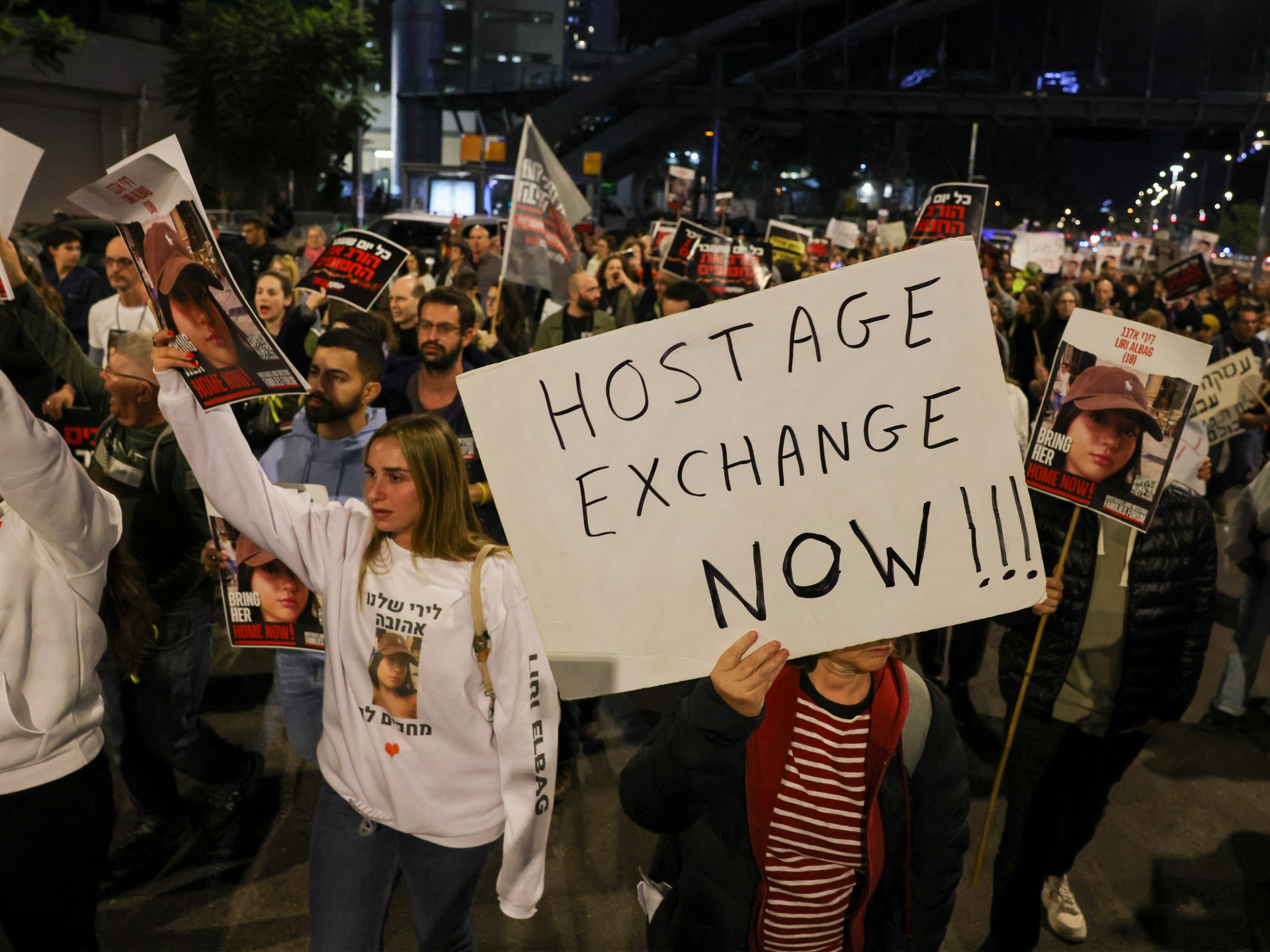
Israel's military drops leaflets in southern Gaza seeking information on captives taken by Hamas, as bombardment of the enclave continues. More than 100 captives remain in Gaza, with protests in Israel urging Prime Minister Netanyahu to negotiate their release. Israeli officials have expressed the need for a deal to ensure the captives' safe return, while attacks in Gaza show no signs of stopping, with over 165 people killed and 280 wounded in the past 24 hours.
Israeli war cabinet member Gadi Eisenkot has urged Israeli leaders to reach a "grand deal" with Hamas to secure the release of captives in Gaza, criticizing the current approach as endangering their lives. Israeli authorities reported at least 132 Palestinians killed and 252 wounded in the past 24 hours, while a US vessel was hit in the Red Sea. The EU's foreign policy chief called on Israel to end its offensive and address the humanitarian crisis in Gaza, where 1.9 million Palestinians have been displaced.
Israeli military discovers distress signals in Hebrew, reading "SOS" and "Help, three hostages," in a Gaza building where three Israeli captives were mistakenly shot dead by Israeli troops. The incident has sparked an outcry in Israel and raised concerns about the military's wartime conduct. The captives' deaths have also intensified worries about the government's focus on eliminating Hamas rather than rescuing the remaining captives believed to be in Gaza. Israel believes some captives may be trapped in Hamas's underground tunnel network, and the military has uncovered the largest tunnel it has ever seen in Gaza.
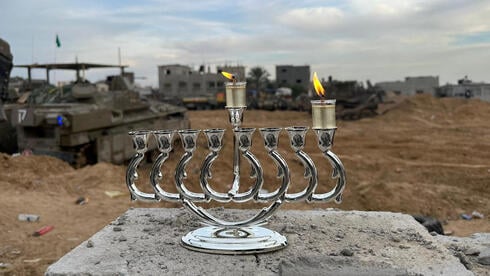
IDF soldiers, including paratroopers engaged in operational activities in Gaza, lit the first candle of Hanukkah in the field. In Jabaliya, Gaza Strip, Southern Command chief Major General Yaron Finkelman joined reserve soldiers fighting in the city's northern sector for the candle-lighting. At the Western Wall Plaza, families of captives held by Hamas illuminated 138 menorahs, symbolizing the number of captives, alongside the central menorah. Hanukkah candle-lighting events were also held in Tel Aviv, Berlin, and Ukraine. In Jerusalem, students at the Erlau Yeshiva lit 138 menorahs, each bearing the name of a captive, praying for their safe return.
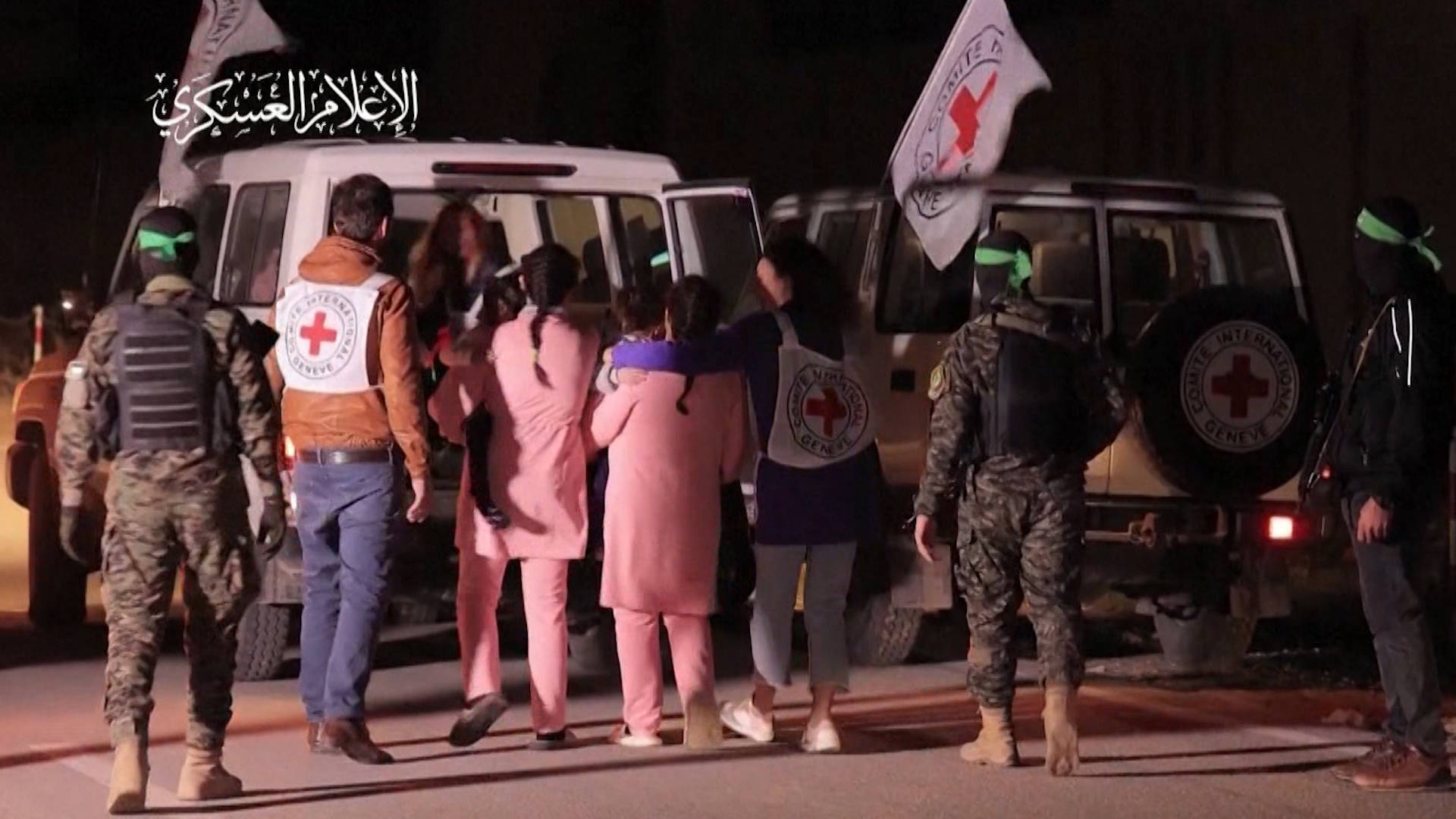
Israel and Hamas have agreed to extend the truce by 48 hours to exchange more captives. The Red Cross facilitated the release of 11 Israeli hostages held in Gaza, while Israel freed three Palestinian women and 30 children from Israeli prisons. This is the fourth exchange since the Gaza truce began. The World Health Organization warns that unless Gaza's health system is rapidly repaired, more Palestinians could die from preventable diseases than from Israel's bombardment.
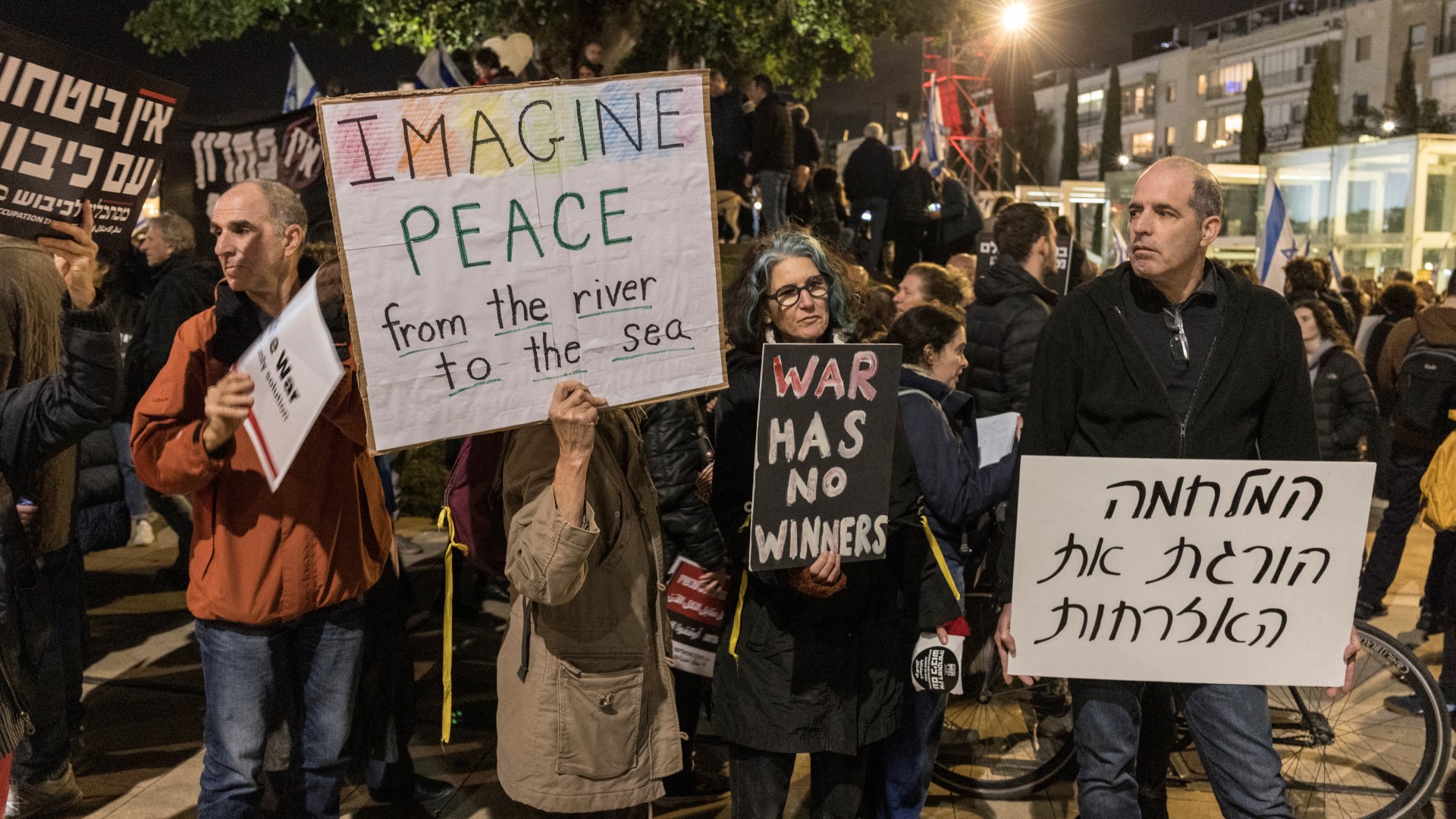
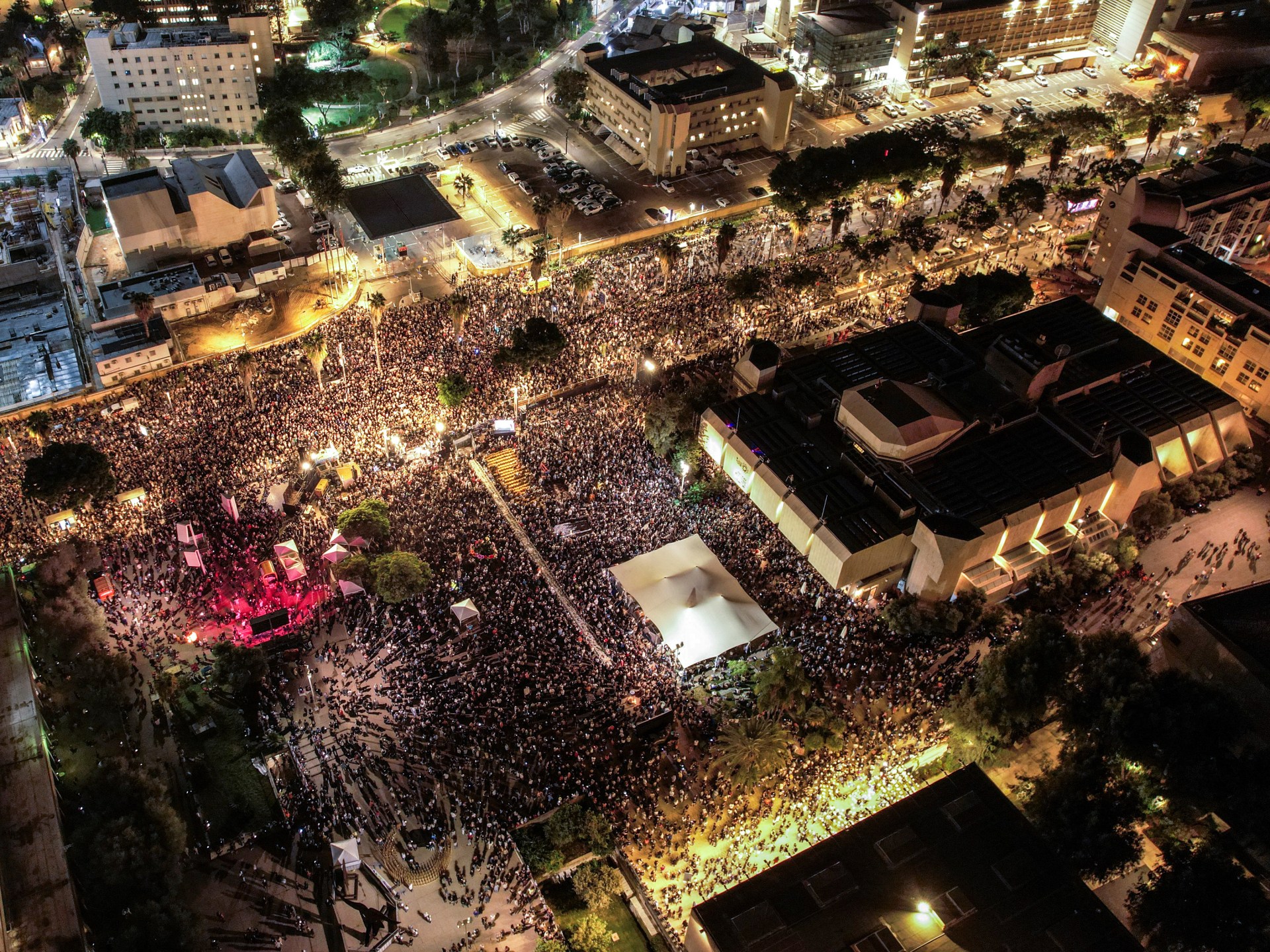
Thousands of protesters gathered in Tel Aviv, demanding the release of Israeli and foreign captives held by Hamas in Gaza and criticizing the Israeli government's handling of the crisis. Some protesters were friends and family members of the captives, urging for their immediate return. A smaller group of anti-government protesters also called for a ceasefire despite a crackdown on anti-war voices. The demands for a ceasefire have been increasing globally, but Israel's Prime Minister Benjamin Netanyahu has rejected the idea without the return of hostages. Over 11,000 Palestinians, including thousands of children, have been killed in Gaza since the conflict began. Netanyahu ruled out the Palestinian Authority governing Gaza after the war, stating there must be "something else" in place.
Hamas has taken hundreds of captives during the ongoing Israel-Gaza war, including Israeli soldiers, civilians, and foreigners. The number of captives is disputed, with Hamas claiming around 200 and the Israeli army stating 240. Hamas has refused to release captives who hold dual citizenship until Israel agrees to a ceasefire. So far, four captives have been released through diplomatic negotiations. The families of captives are calling for a prisoner swap, while Israeli authorities are focused on military operations and pressuring Hamas to negotiate.
The Israeli Defense Forces (IDF) conducted localized raids in the Gaza Strip to clear the area of terrorists, locate missing persons, and recover information. While no missing persons were found alive, the IDF recovered documents and maps from the bodies of dead Hamas terrorists, revealing detailed plans for the invasion. The documents instructed terrorists to harm women and children, eliminate as many people as possible, and kidnap prisoners back to Gaza. The raids mark the first confirmed entry of IDF forces into Gaza since the outbreak of the war. IDF officers were shocked by the level of planning and knowledge displayed by Hamas.
Visual evidence reviewed by The Washington Post suggests that Hamas fighters took at least 64 captives into the Gaza Strip during the recent incursion into Israel, with the majority being civilians. Among the captives were 49 civilians, including nine children, and 11 members of the Israeli military. The actual number of hostages and prisoners is likely higher than what was seen in the videos and images reviewed. The issue of captive numbers is crucial as Israel prepares for a potential invasion, and Hamas has threatened to execute a hostage for every Israeli airstrike that targets Palestinians. The Israeli military continues to bomb sites across Gaza, causing significant casualties. The situation in Gaza is deteriorating rapidly, with reports of Hamas losing contact with some of its fighters holding captives and Gazan civilians taking hostages on their own.
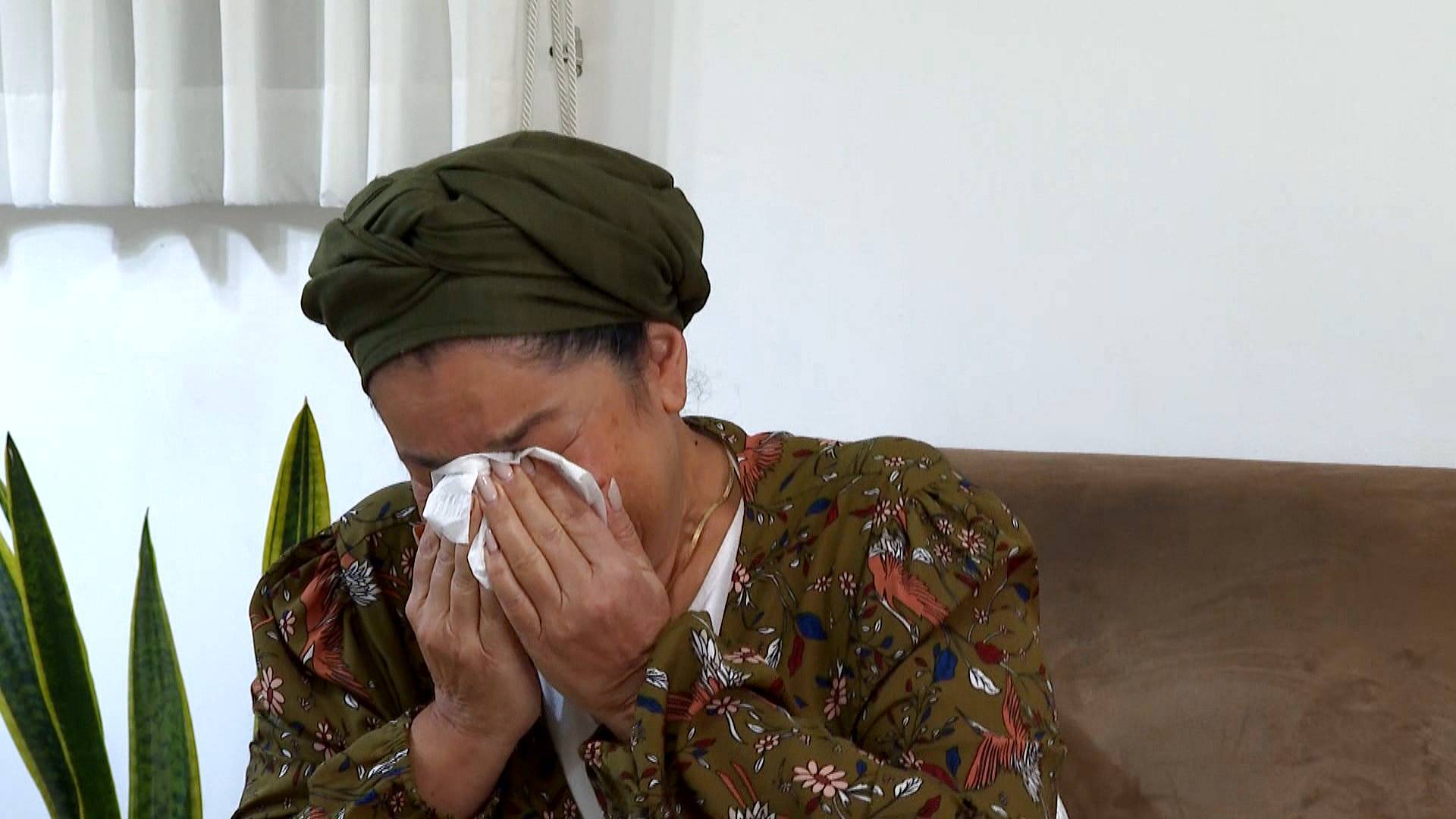
As Israel continues its bombardment of Gaza, the families of those held captive by Hamas are left fearing for their loved ones' lives. Hamas has warned that it will kill one captive for every Israeli military strike on civilian targets in Gaza. The captives, including Israeli soldiers, civilians, and foreigners, were taken from a music festival in Israel. Families are desperate for information about their missing relatives and are appealing to the Israeli and US governments for help. Israel has issued a warning to Hamas, demanding that the captives not be harmed. The families are left in agony, uncertain about the fate of their loved ones.