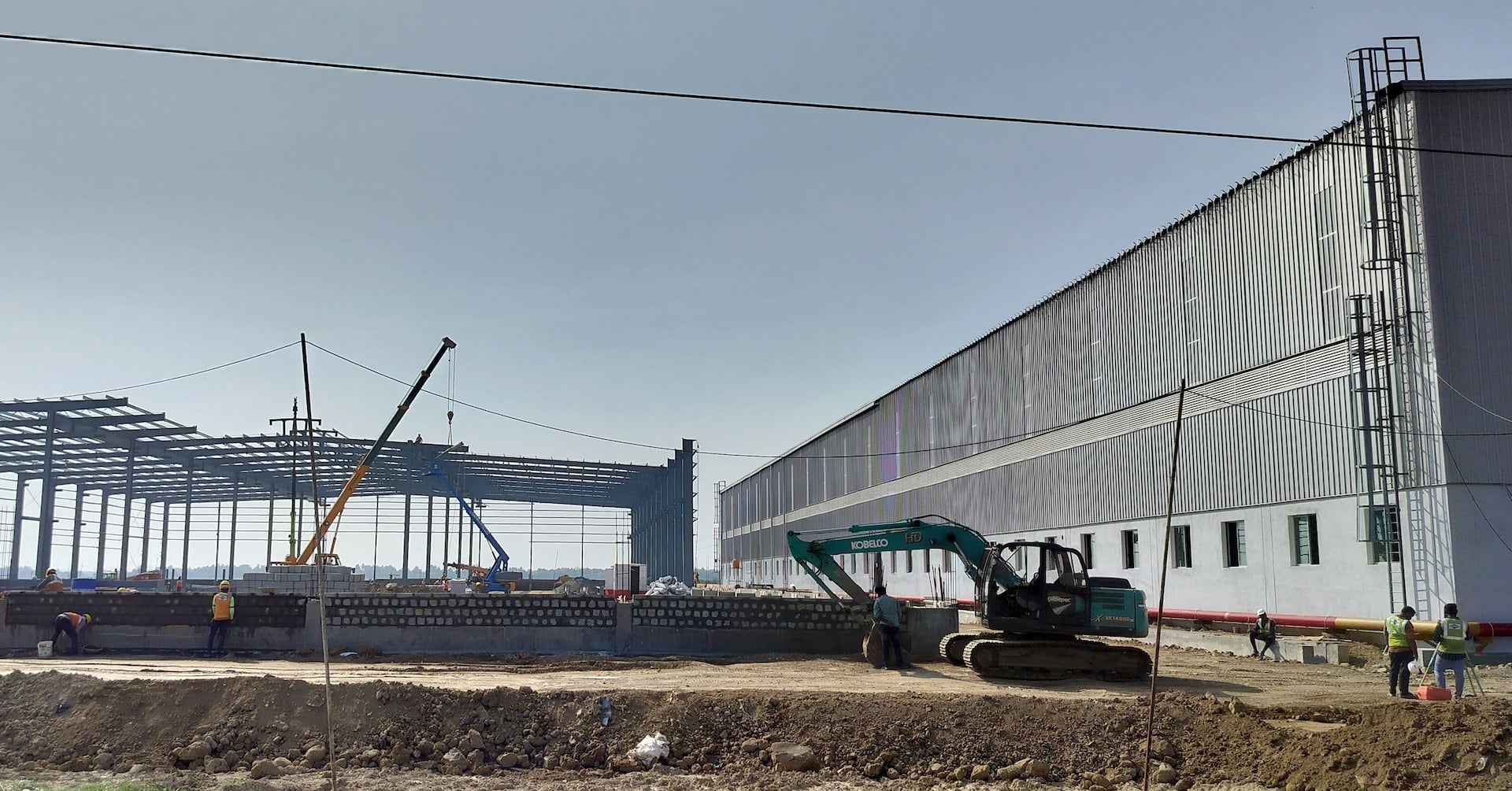
As companies look to diversify their supply chains beyond China, global giants are betting on India's economic boom and expanding into the country's warehousing sector. The demand for modern warehouses and factories is surging, driven by India's manufacturing growth and infrastructure development. Developers are investing billions to quadruple industrial park space and build new warehouse complexes near major cities, aiming to attract firms looking to expand manufacturing facilities and boost exports. However, complex land acquisition issues and surging prices pose challenges for developers in meeting the high demand for warehouse space.
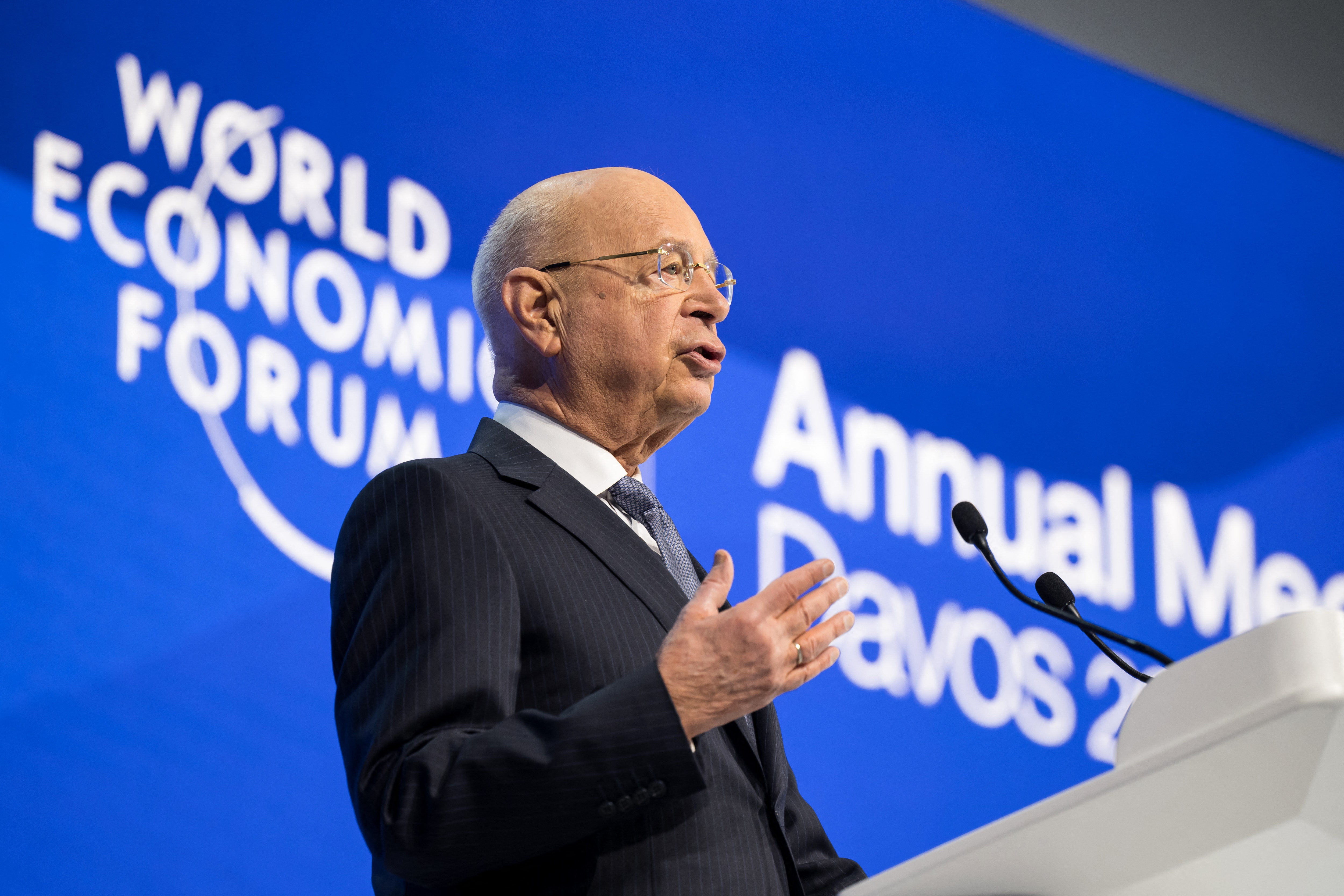
The World Economic Forum (WEF) and its founder, Klaus Schwab, have come under scrutiny for fostering cronyism and elitism, with concerns raised about the organization's future after Schwab. Critics argue that WEF has become an exclusive networking club for the mega-rich and super-powerful, perpetuating an unaccountable system that doesn't reflect the needs of all society. The organization's invite-only policy to its annual event has also drawn criticism, as well as its calls for a greener global economy juxtaposed with the use of private jets emitting high levels of carbon. Additionally, Schwab's association with the global elite and the concept of "the Great Reset" have sparked controversy amid widening wealth disparities.
The 2024 World Economic Forum in Davos brought together 3,000 participants, including business leaders, heads of state, and academics, to discuss pressing global issues. Key takeaways included concerns about geopolitical instability, upcoming elections in democratic countries, the impact of climate change on human health, the importance of preparing data for artificial intelligence, and discussions around the future of AI, with OpenAI's CEO expressing hopes for significant advancements in the next decade.
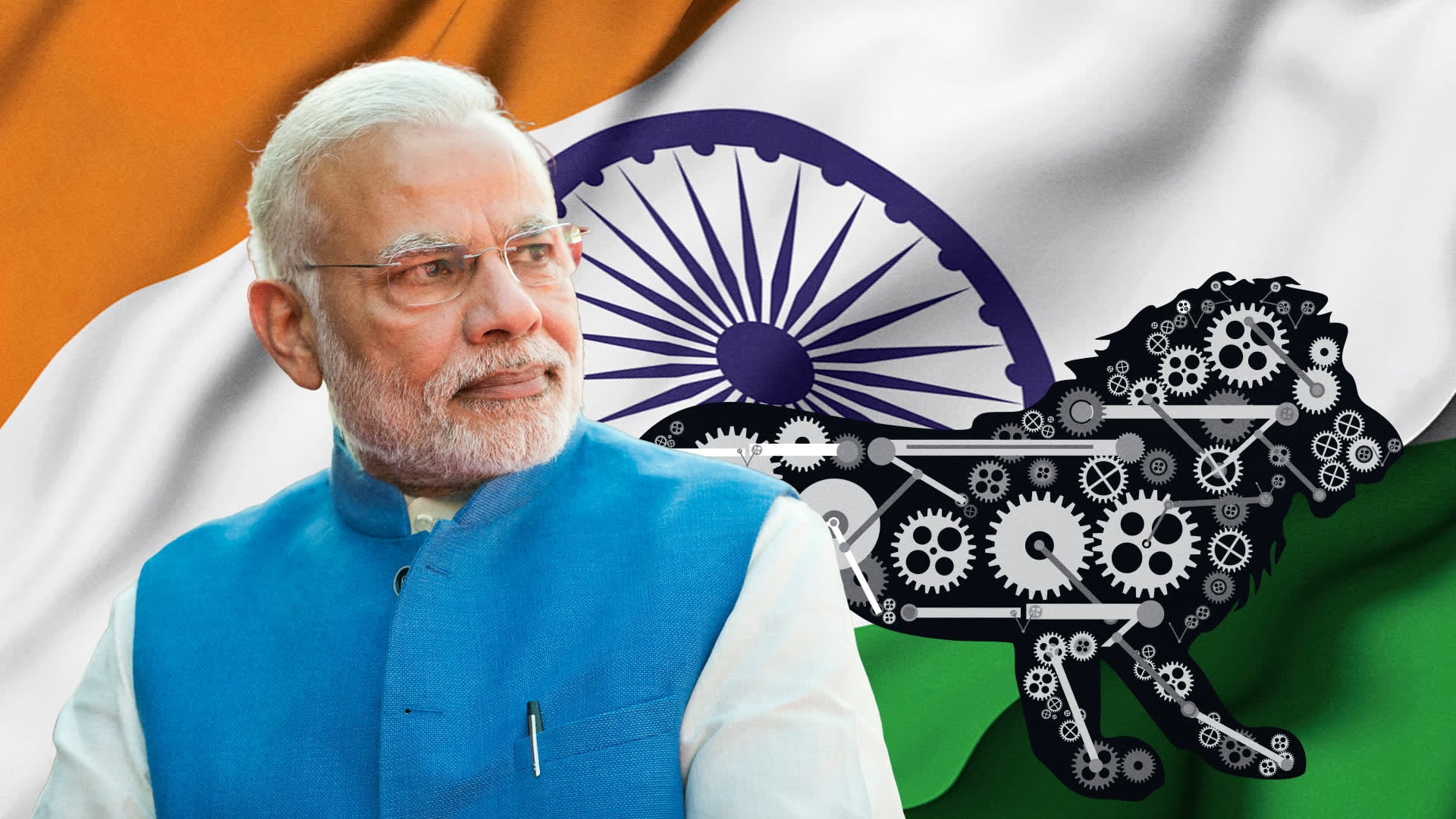
India is making a strong presence at the World Economic Forum in Davos, showcasing its innovation, digital infrastructure, and startup ecosystem to attract global investors. With a growing economy and a shift in global value chain dynamics, India is positioning itself as a key player in technology and business, particularly in AI and manufacturing. Despite challenges such as migration and currency fluctuations, India has seen a surge in foreign direct investment and is actively wooing U.S. companies and chipmakers to invest in the country. As India gears up for general elections and amid China's tech troubles, it aims to strengthen its global standing as a stable and growing democracy.
India is making a strong presence at the World Economic Forum in Davos, showcasing its innovation, digital infrastructure, and startup ecosystem to attract global investors. With a growing economy and a shift in global value chain dynamics, India is positioning itself as a key player in technology and business. Despite challenges such as migration and currency fluctuations, India has seen a surge in foreign direct investment and is actively wooing U.S. companies and chipmakers to invest in the country. As India gears up for general elections and with China facing technology access issues, the country's stable democracy and strong growth make it an attractive investment destination.
The World Economic Forum's annual meeting for 2024 has commenced in Davos, Switzerland, with a focus on the theme "Rebuilding Trust." The event is expected to draw business leaders, heads of state, and over 1,600 executives, including notable figures such as Microsoft CEO Satya Nadella and Alphabet CIO Ruth Porat. The agenda includes discussions on global cooperation, economic growth, artificial intelligence, and the environment, with participation from political figures like U.S. Secretary of State Antony Blinken and several country presidents.