The Impact of Brain States on Decision-Making
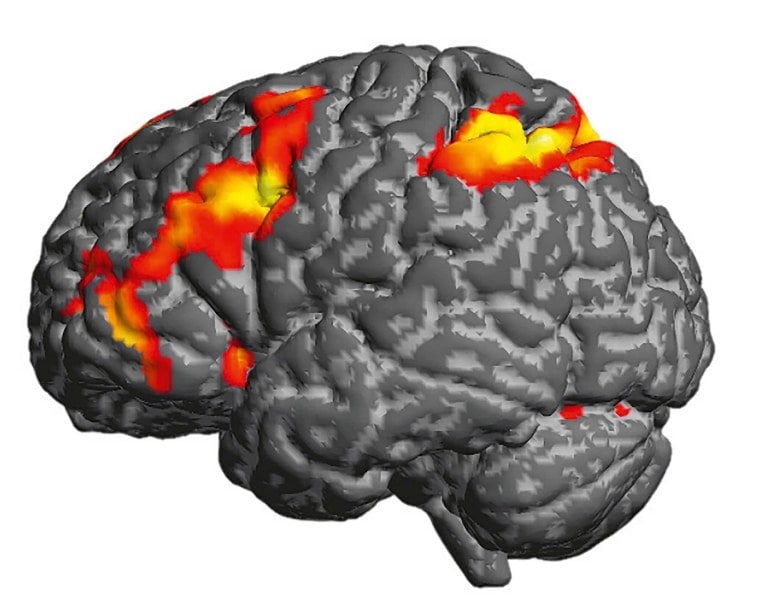
A study conducted on mice reveals that decision-making is not a singular moment but a reflection of the brain's preexisting state. Hunger and thirst indirectly modulate behavior by influencing the brain's goal-setting rather than directly motivating choice. Neuron activity patterns throughout the brain can predict a mouse's choice even before it is presented with options, indicating a constant broadcast of the brain's current goal. Randomness plays a key role in decision-making, with mice often repeating choices before abruptly switching, ensuring both hunger and thirst needs are eventually fulfilled. This research sheds light on the brain's shifting baseline state and provides insights into decision-making processes.