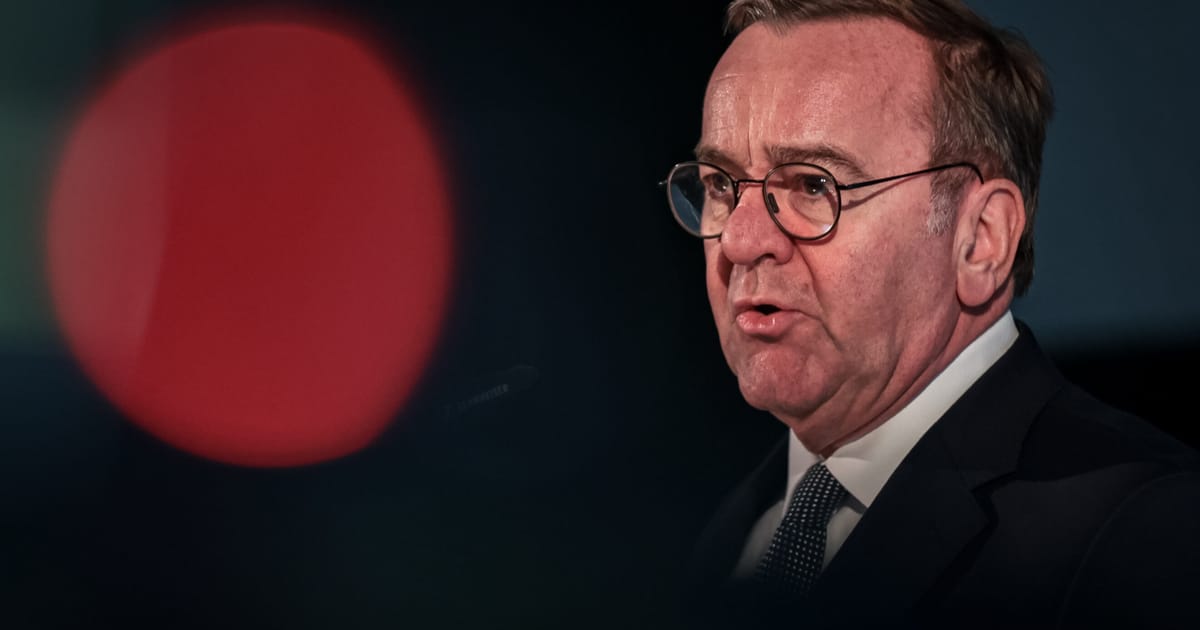
German Defense Minister Boris Pistorius is working to strengthen Germany's military capabilities amidst internal political resistance and the need to counter Russian threats in Europe.
Boris Pistorius, Germany's popular defense minister, has withdrawn from the race to lead the Social Democratic Party (SPD) in an early general election, paving the way for the unpopular Chancellor Olaf Scholz to attempt a reelection bid. Despite internal calls for Pistorius to replace Scholz, the SPD leadership remains committed to Scholz, who faces criticism for his leadership and foreign policy decisions. The SPD is currently polling low, with the Christian Democrats and the far-right Alternative for Germany party leading in the polls.
A growing number of Social Democrats are calling for German Defence Minister Boris Pistorius to replace Olaf Scholz as the SPD's candidate for chancellor in the upcoming snap elections, citing Pistorius's popularity and leadership qualities. SPD MP Joe Weingarten and former vice-chancellor Franz Müntefering have expressed support for Pistorius, while a recent poll shows 66% of voters favor him over Scholz. The SPD is scheduled to decide on its candidate at a conference on January 11, amid internal party discussions and dissent.
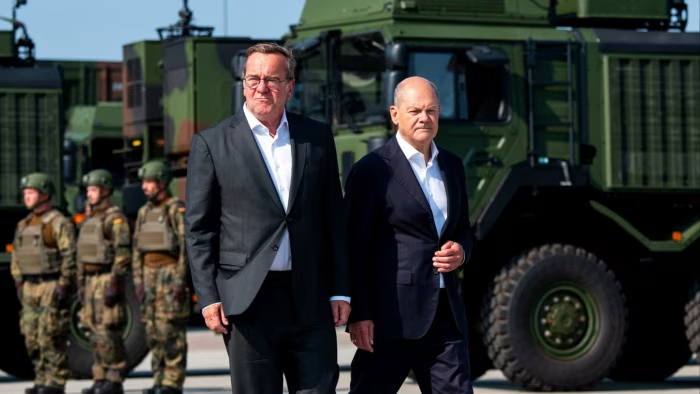
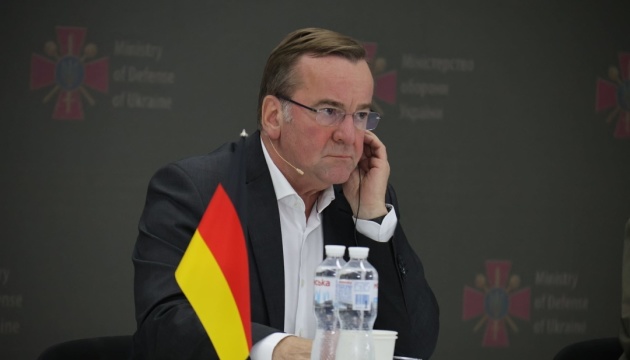
German Defense Minister Boris Pistorius announced plans to supply Ukraine with a range of military equipment, including air defense systems, tanks, helicopters, and training for soldiers. Germany has already provided Ukraine with air defense systems worth over EUR 2.2 billion and is leading a coalition effort with France and other partners to enhance Ukraine's capabilities in this area. The total military supplies from Germany to Ukraine since the start of the war amount to about EUR 6 billion, with further commitments reaching about EUR 7.5 billion by 2028.