
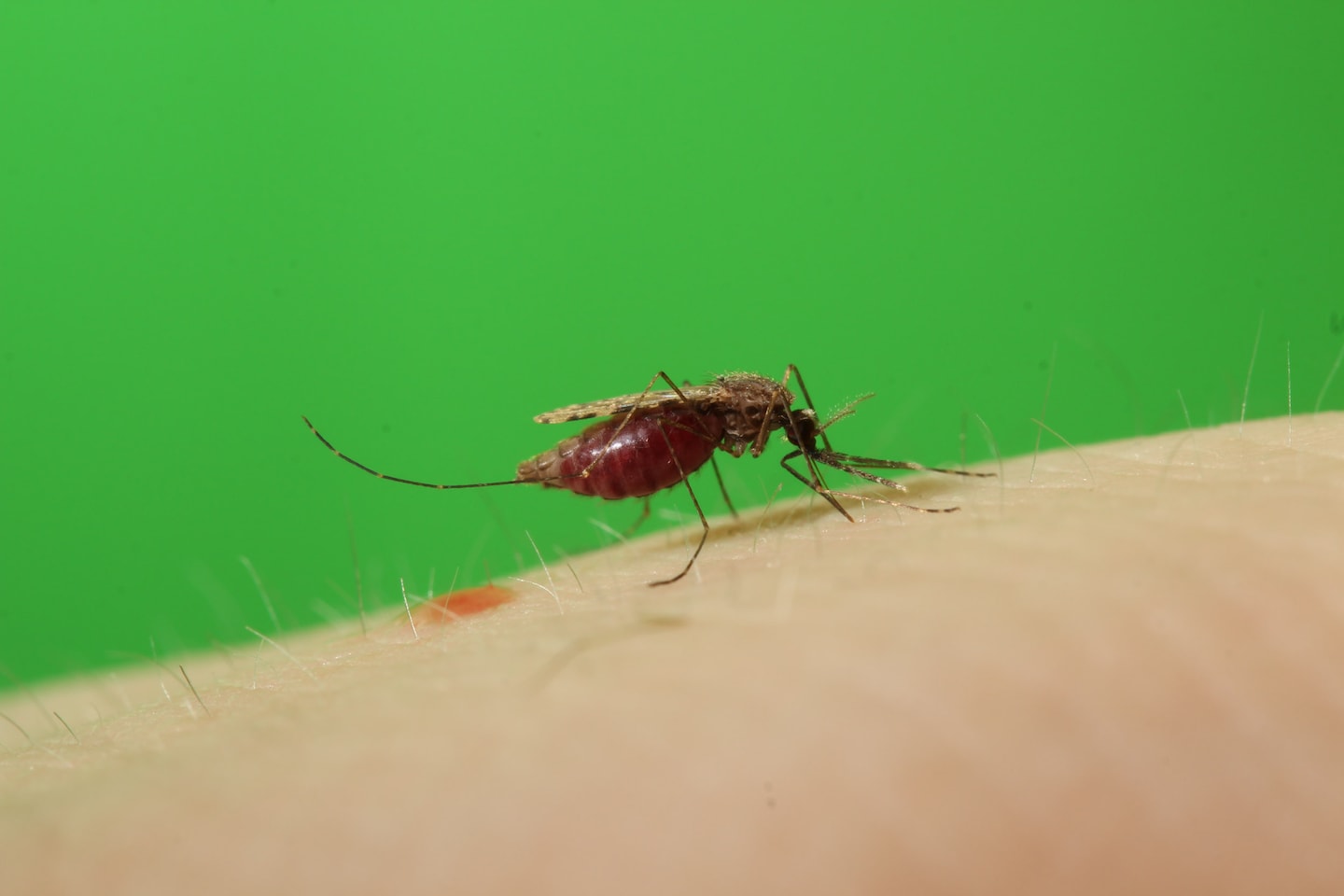
Cracking the Code: Understanding Mosquito Attraction to Humans
Scientists built a large outdoor arena in Zambia to study how malaria-carrying mosquitoes are drawn to specific chemicals found on people's skin. They found that mosquitoes use visual cues and body warmth to seek their prey at close range, but when out of visual range, they track carbon dioxide and other chemicals found in body odor and breath. The study identified a lucky individual whose distinctive body odor appeared to be relatively unappetizing, opening up a new avenue in the search for ways to deter bites. The insights gained from such experiments could lead to new ways to repel mosquitoes, perhaps by finding ways to alter or mask skin chemistry, making people less alluring.