San Francisco Mayor Daniel Lurie signed a measure to create a reparations fund for Black residents harmed by past city laws, relying on private funding as the city faces a nearly $1 billion deficit and cannot allocate public funds for the initiative.
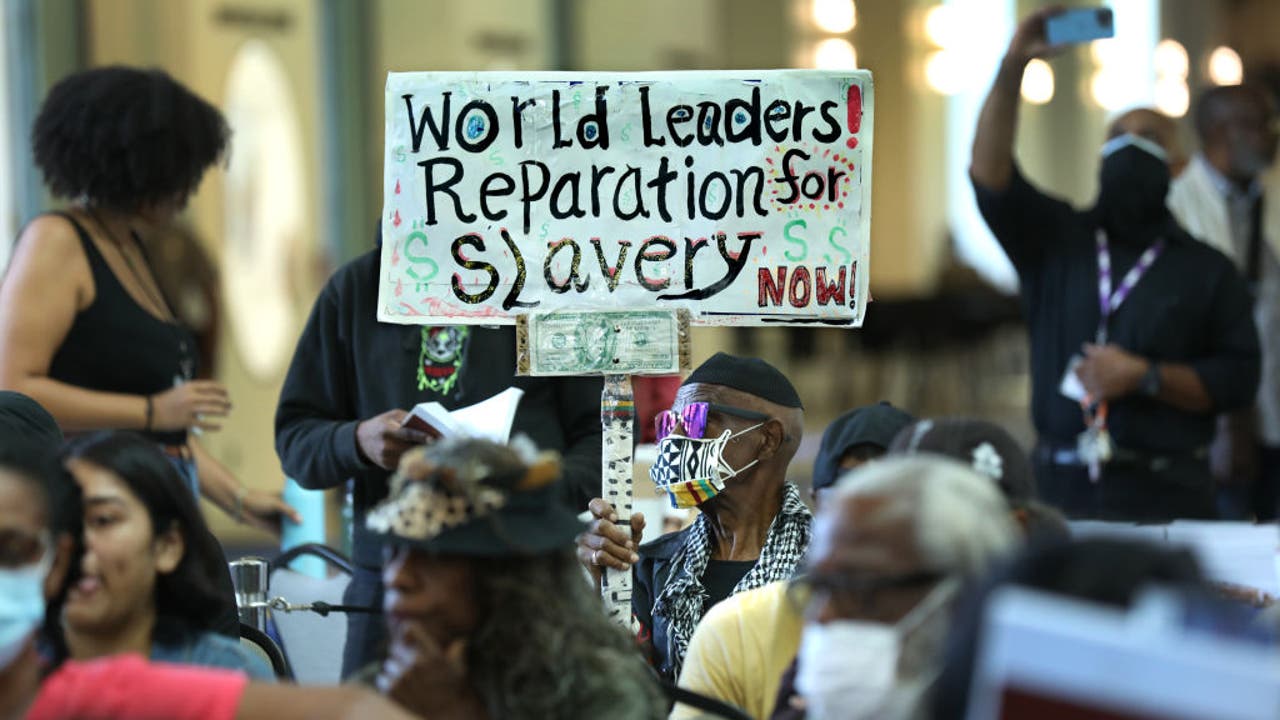
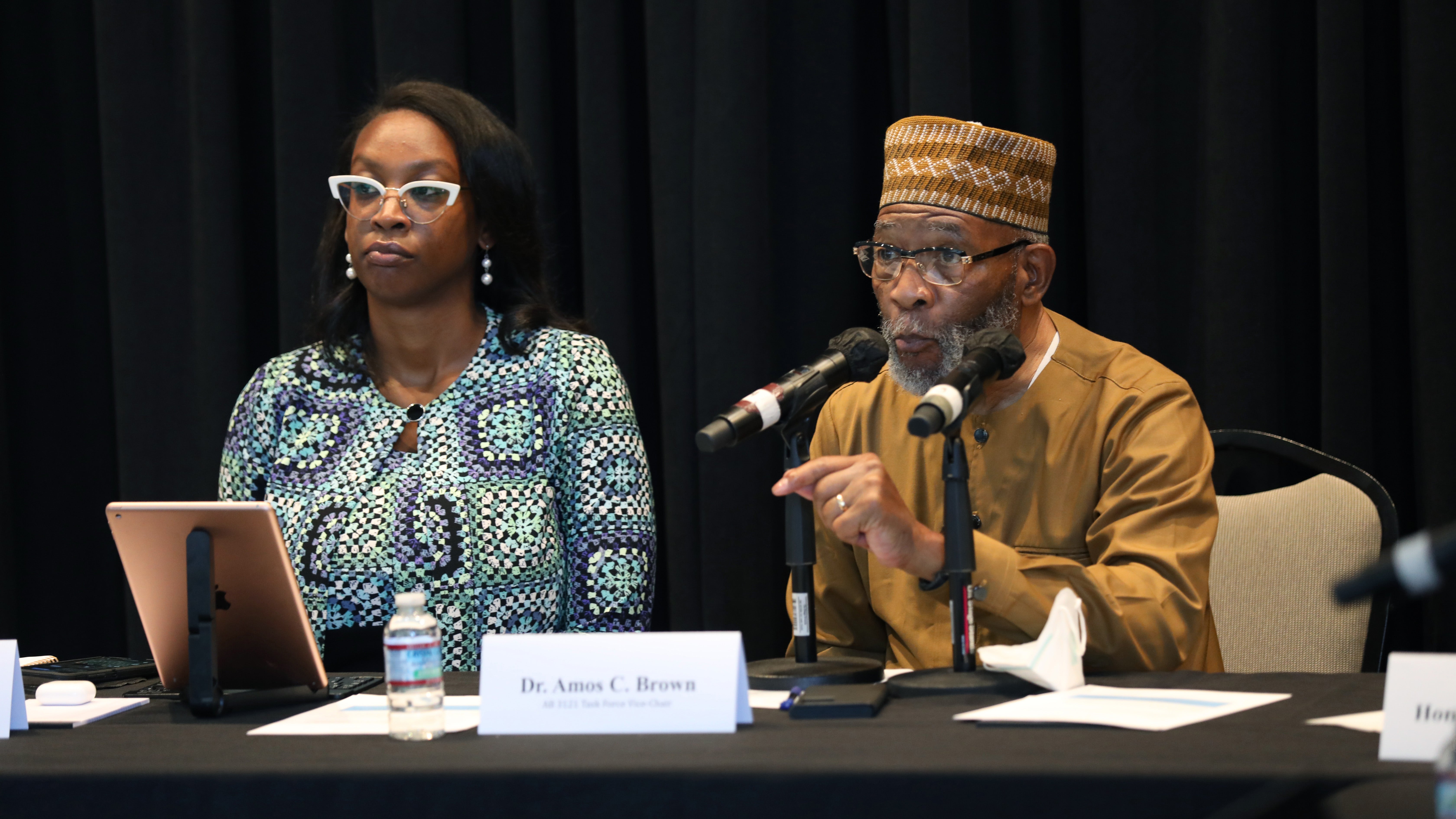
San Francisco has proposed a reparations plan that includes $5 million cash payments and housing aid to compensate Black residents for policies that drove them away and hindered their economic opportunities. The city's Black population has shrunk from 13% in 1970 to about 5% today, driven first by cycles of redevelopment and then by the gentrifying forces of tech employers. The task force has declared a moonshot: a one-time, $5 million payment to anyone eligible. To close the racial wealth gap, the task force has issued 111 recommendations in a preliminary report to city leaders.
California's reparations task force has approved a plan to compensate some Black residents for the state's role in enabling slavery and other forms of white supremacy. However, not all Black residents of the state would be eligible for cash compensation or other forms of direct reparations. Reparations would be limited to people who can trace their lineage to chattel slavery in the U.S. and descendants of a free Black person living in the country before 1900. The size of cash payments would vary based on how long a person has lived in California.
California's reparations task force has approved recommendations for compensating and apologizing to Black residents for generations of harm caused by discriminatory policies. The proposals include a public apology, cash or its equivalent for eligible residents, and the creation of a new agency to provide services to descendants of enslaved people. The recommendations now go to state lawmakers to consider for reparations legislation. Economists estimate that the state could owe upwards of $800 billion in reparations to Black people, but the figure in the latest draft report released by the task force is far lower.
The California Reparations Task Force has recommended that the state offer payments of up to $1.2 million to every qualifying Black resident, along with a formal apology. The payments would be broken down by types of historical discrimination, such as redlining and over-policing. The recommendation, which does not have legal weight, was met with opposition from some Black residents demanding larger payments. The task force noted that California did not pass laws to guarantee freedom when it entered the Union as a free state in 1850 and continued to enforce the Fugitive Slave Act after emancipation.
The California Reparations Task Force has recommended that the state offer payments of up to $1.2 million to every qualifying Black resident, along with a formal apology. The payments would be broken down by types of historical discrimination, such as redlining and over-policing. The recommendation, which does not have legal weight, was met with opposition from some Black residents demanding larger payments. The task force noted that California did not pass laws to guarantee freedom when it entered the Union as a free state in 1850 and continued to enforce the Fugitive Slave Act after emancipation.
The California Reparations Task Force has voted in favor of recommending proposals that could see Black residents in the state receive billions of dollars in reparations for discriminatory policies, including mass incarceration, housing discrimination, and health care inequalities. If approved by the California legislature and Gov. Gavin Newsom, eligible Black residents could receive varying payments. Economists on the panel have estimated that the reparations could cost the state more than $800 million. Rep. Barbara Lee (D-Calif.) said that reparations are not only morally justifiable but have the potential to address longstanding racial disparities and inequalities.
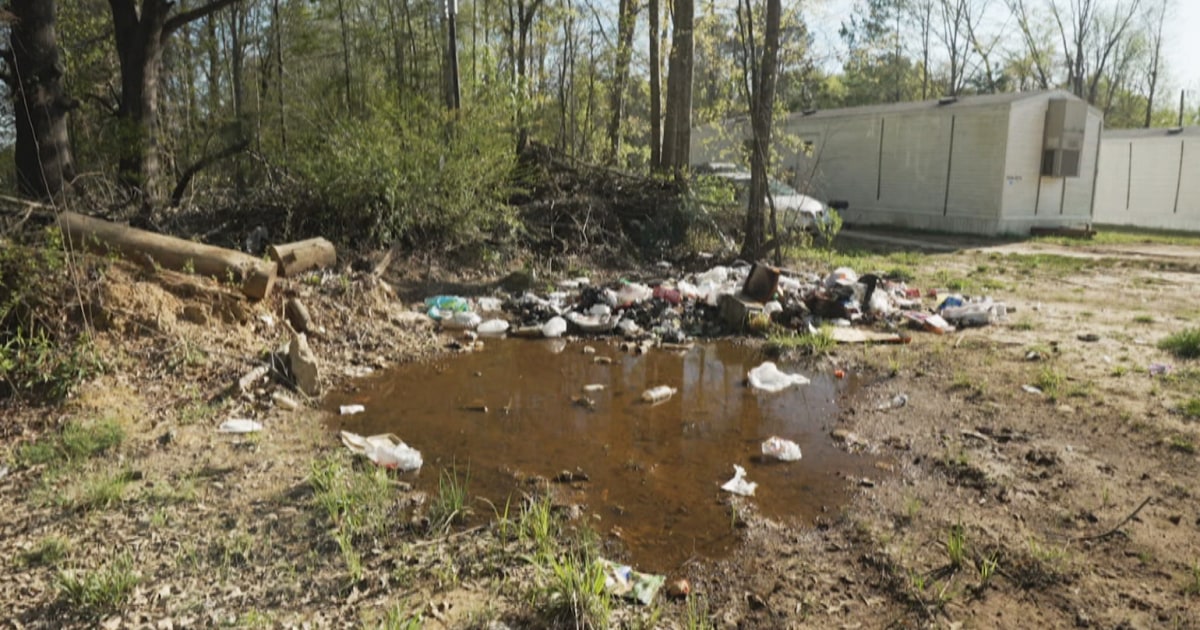
The US Departments of Justice and Health and Human Services have found that Alabama health officials failed to address sewage system failures that disproportionately affected Black residents in Lowndes County. As part of an interim resolution agreement, the state and county agencies have agreed to take actions such as suspending enforcement of sanitation laws that could result in criminal charges, fines, jail time, and potential property loss for residents who lack the means to purchase functioning septic systems. The agreement also mandates that the agencies consistently engage with community residents, local government officials, environmental experts and advocates, and develop a public health awareness campaign to ensure residents receive critical health and safety information related to raw sewage exposure.
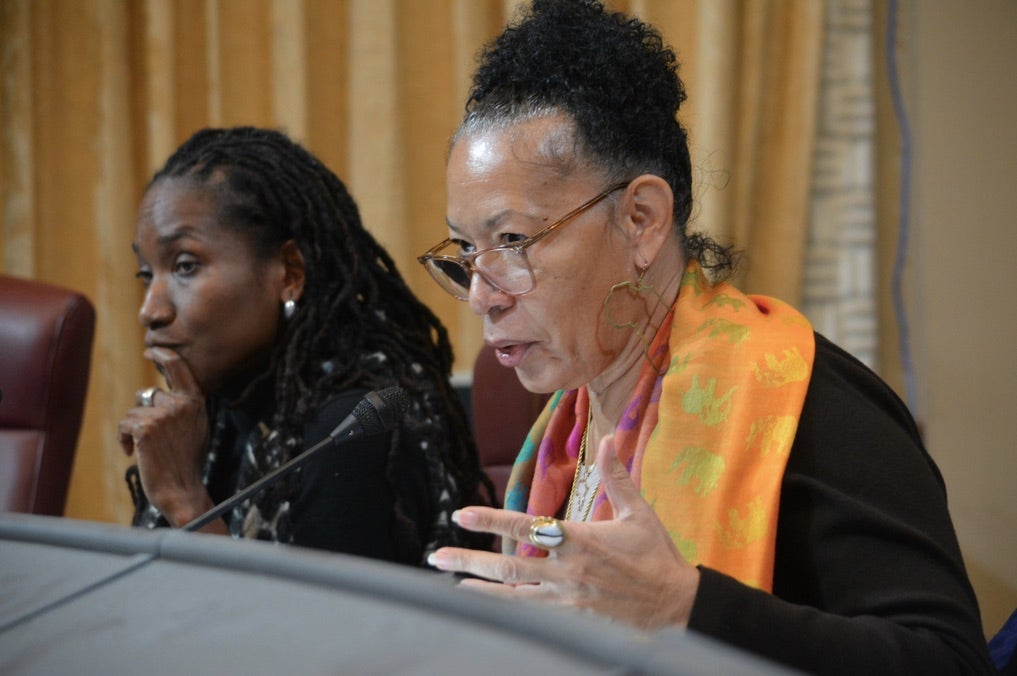
California's reparations task force is set to recommend "down payments" to Black residents and the abolition of cash bail as a way to make amends for slavery and discrimination. The task force also proposes several policy changes to combat racial discrimination and for California to issue a formal apology enacted by the legislature and signed by the governor for slavery and anti-Black racism. The reparations program would be overseen by a new state agency that would determine eligibility for and distribute funds. The final report with the panel's official recommendations is due by July 1 to the state legislature.
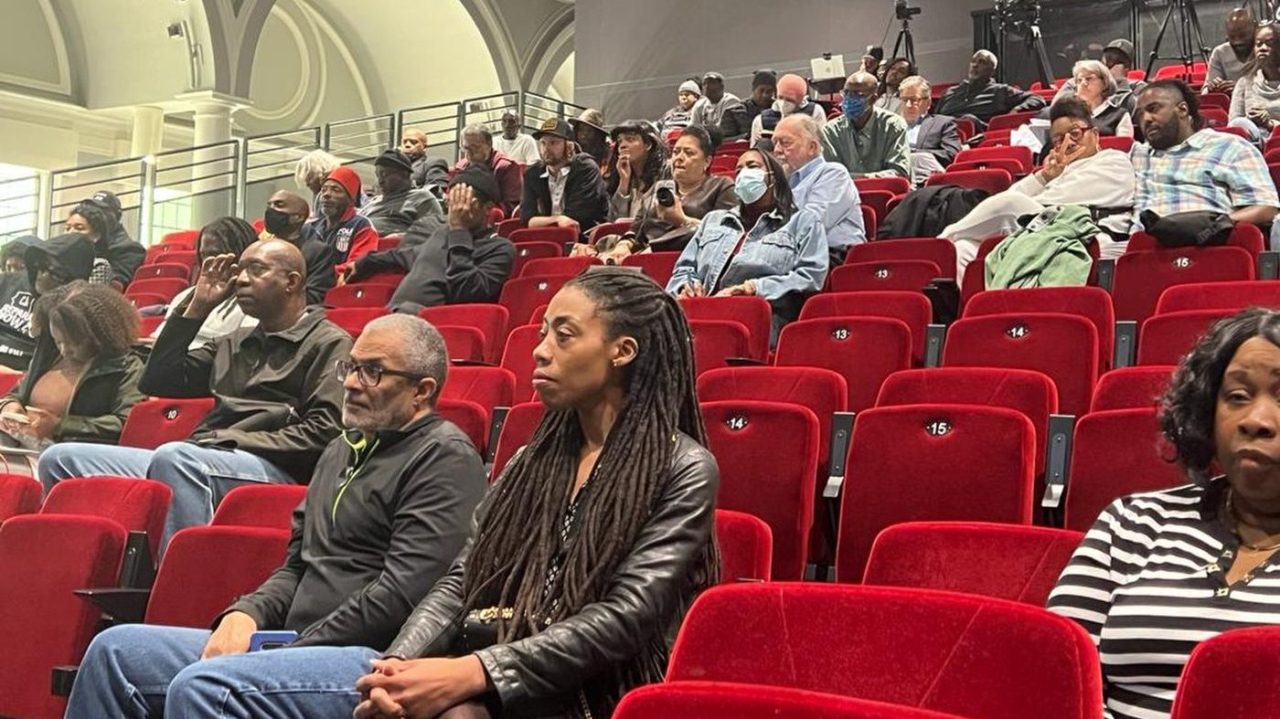
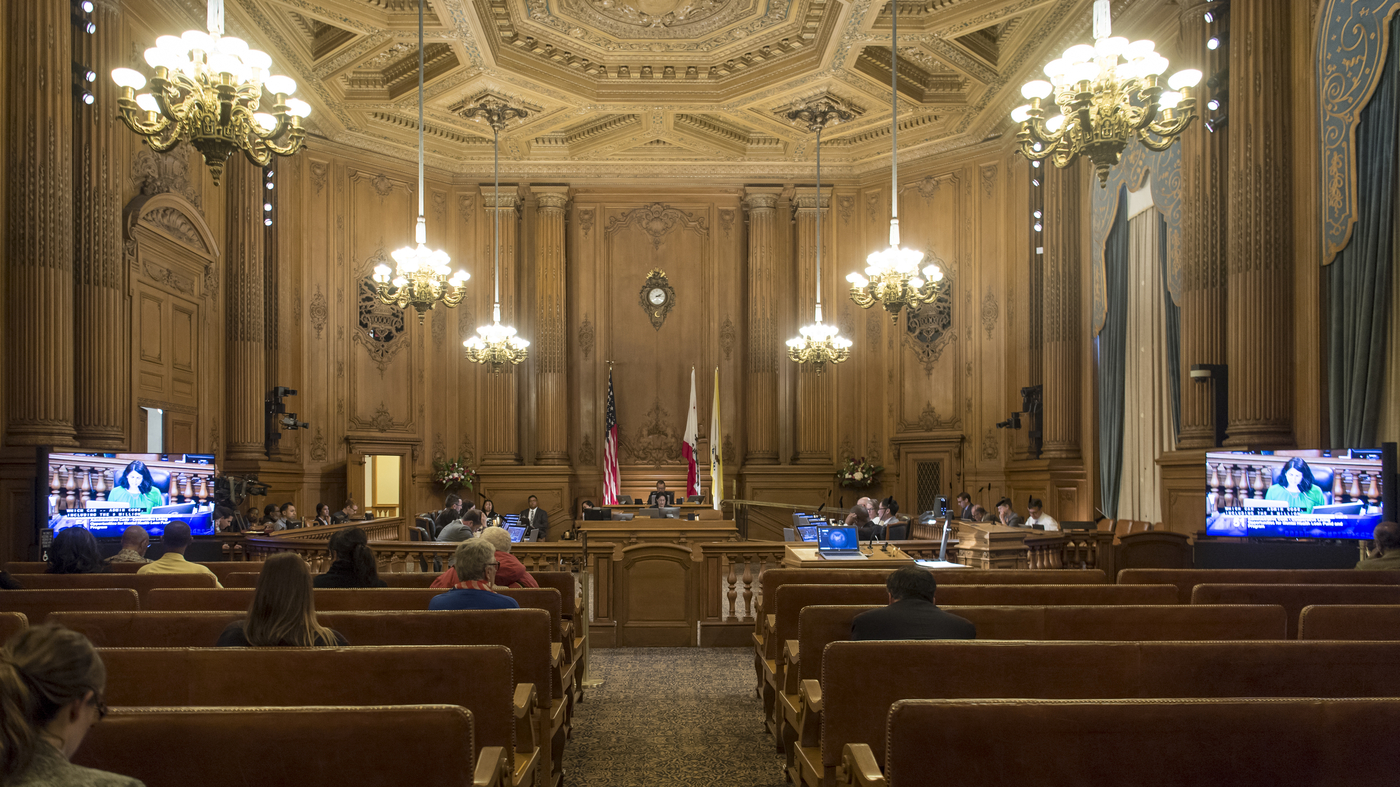
The San Francisco Board of Supervisors has accepted a draft plan of over 100 recommendations for reparations to eligible Black residents, including a one-time payment of $5 million to each adult, clearing of personal debt, an annual income of at least $97,000 for 250 years, and the ability to buy homes within the city limits for $1. However, the move was largely procedural and doesn't bind the city to any of the proposals. Some activists criticize the plan as unrealistic and political theatrics designed to delay meaningful change, while others believe the proposals are an important first step toward justice.