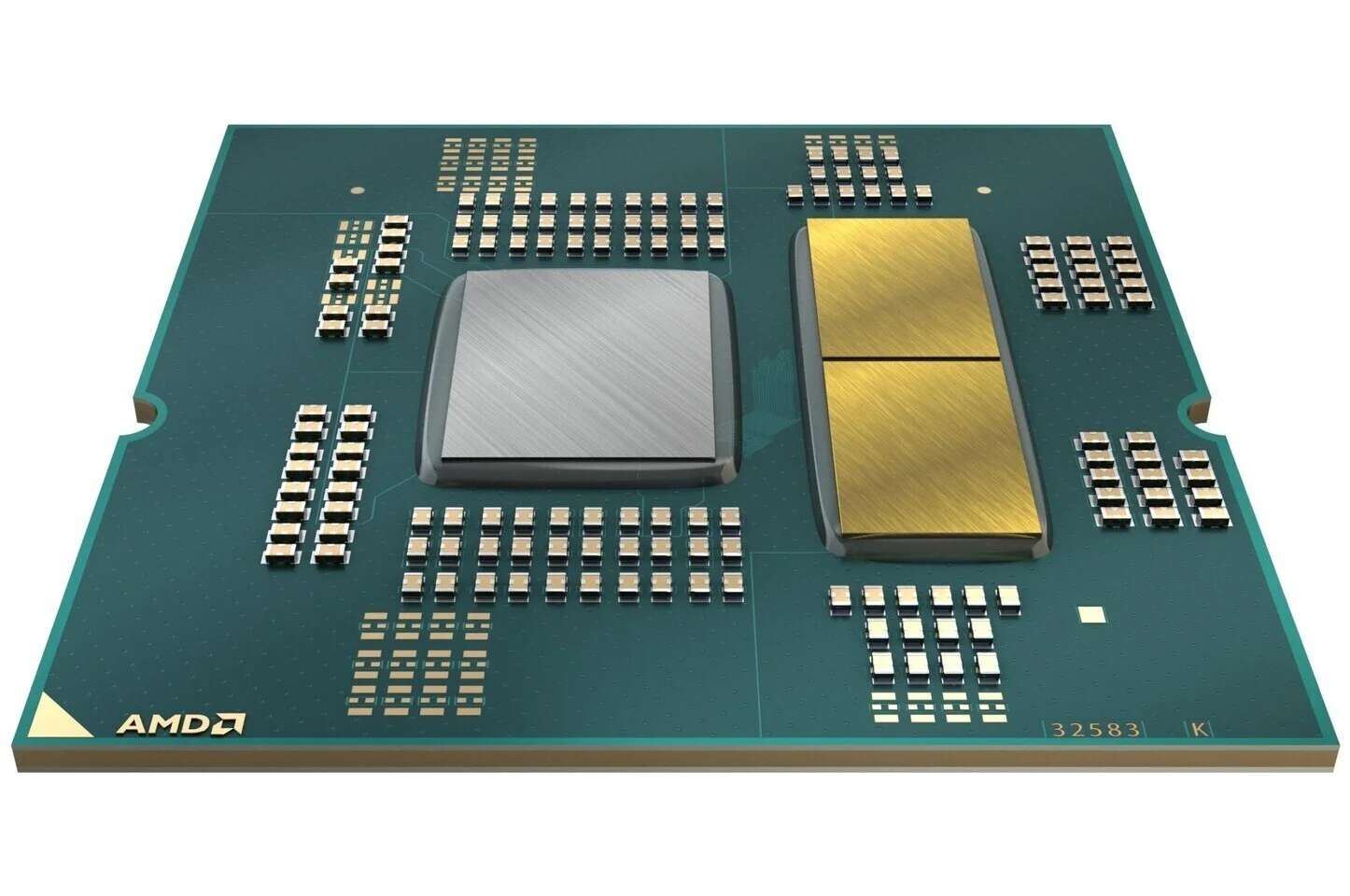
AMD has integrated 'Znver6' patches into the GCC compiler ahead of the Zen 6 launch, enabling early software support for new instructions like AVX-512 on consumer CPUs, aligning with Intel's proactive approach and addressing previous delays that hindered optimized development for AMD's latest processors.
FFmpeg developers have implemented a handwritten AVX-512 assembly code path, achieving performance boosts of up to 94 times in video processing tasks. This optimization leverages the AVX-512 instruction set to process large data chunks in parallel, significantly outperforming standard implementations and other SIMD instruction sets like AVX2 and SSSE3. The results underscore the potential of hand-optimized assembly code for enhancing compute-heavy tasks in multimedia processing.
Llamafile 0.7, released by Mozilla Ocho, introduces AVX-512 support, resulting in around 10x faster prompt evaluation times for users with CPUs like AMD Zen 4. This release also brings BF16 CPU support, a security fix, various Windows improvements, and faster prompt evaluation on the Raspberry Pi 5 with F16 weights.
CachyOS Linux distribution is experimenting with x86-64-v4 repository, offering optimized packages for Intel and AMD systems with AVX-512 support, providing better performance for compute intensive applications. The repository has been trialed since December, targeting AMD Zen 4 and newer Intel hardware, and is currently collecting user feedback. Users interested in trying out the x86-64-v4 packages can find details on the CachyOS blog.
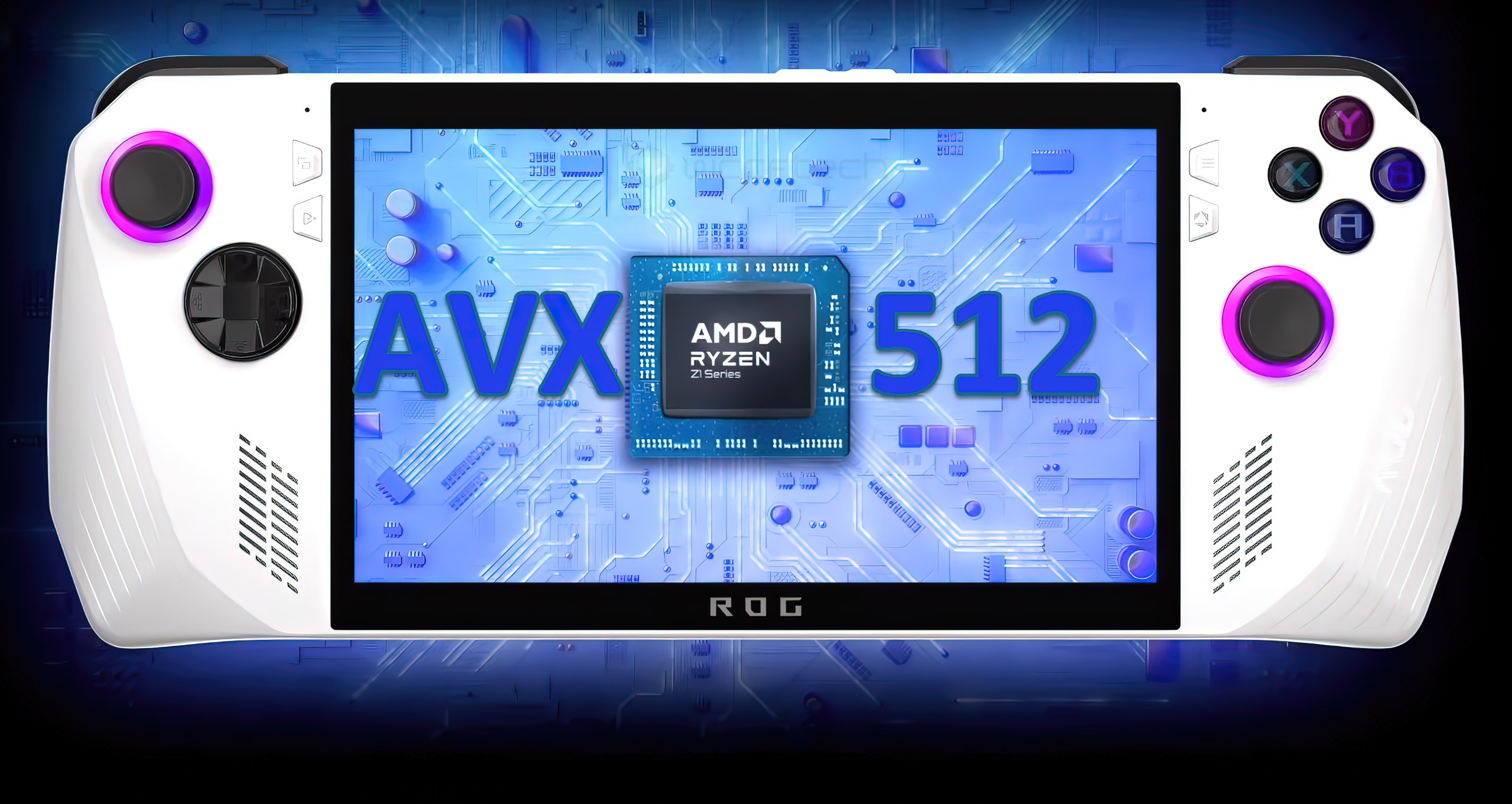
The ASUS ROG Ally handheld, equipped with AMD Ryzen Z1 APUs with AVX-512 support, delivers great emulation performance across various emulators including RPCS3, Dolphin, PS2/PCSX2, PSP, 3DS Citra, Xbox 360, and Yuzu. The handheld offers solid 60 FPS at 1080p across all titles and outstanding 60 FPS at 1080p for God of War 3 on RPCS3 emulator. The Z1 Extreme variant offers better battery timings and power due to its handheld-exclusive optimizations.