Audacity 4, despite its controversial new logo, promises significant improvements including a more user-friendly interface, better track management, and enhanced editing features, marking a major upgrade for the popular audio editing software, with a release expected in early 2026.
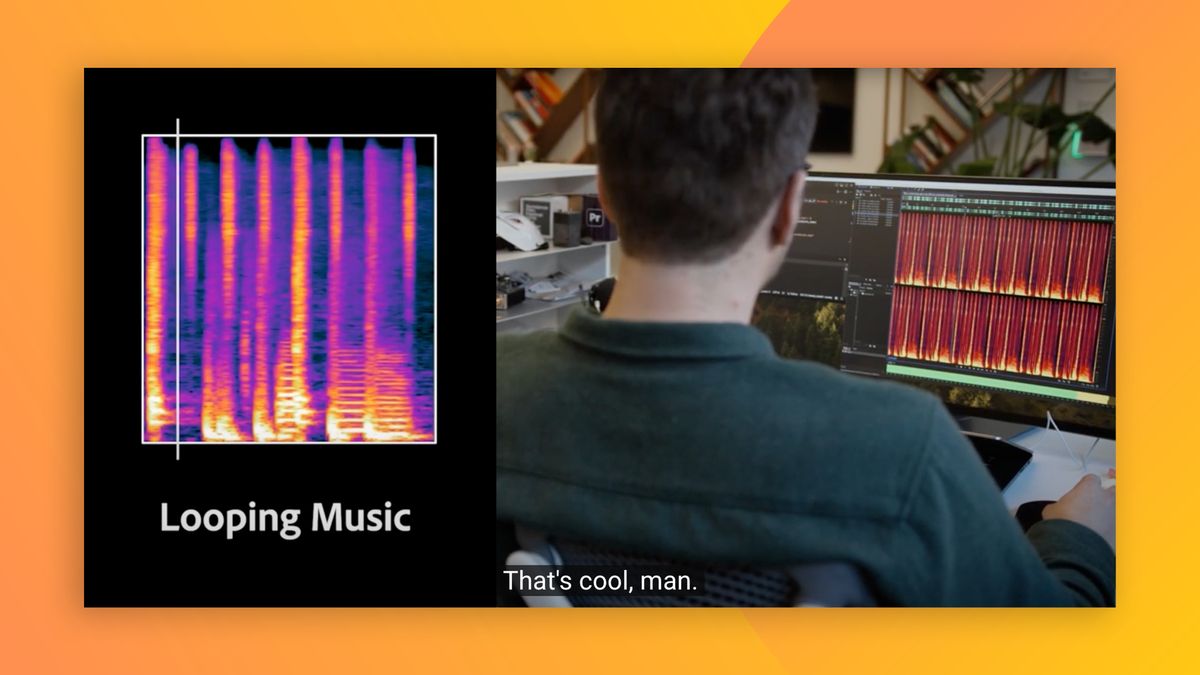
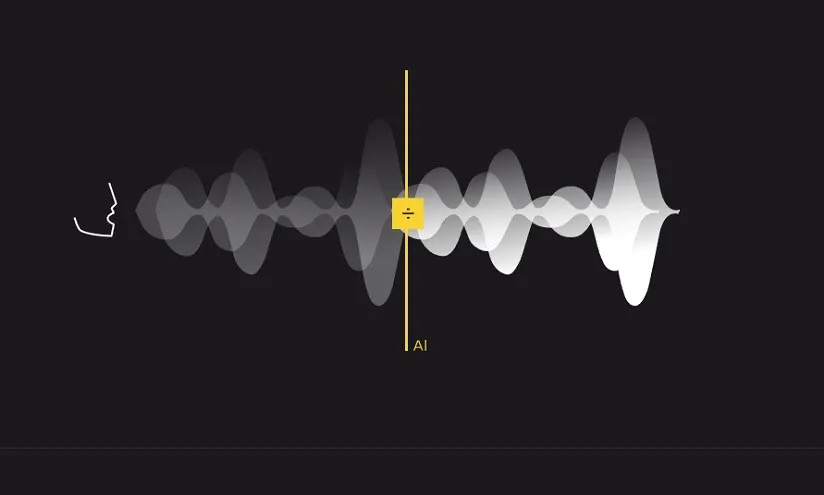
Adobe has unveiled an experimental AI music generation and editing tool called Project Music GenAI Control, which can create music and other audio from text prompts and fine-tune them within the same interface. The tool aims to streamline the music creation process by eliminating the need to use external apps for editing. Users can input text prompts to adjust tempo, structure, intensity, and more, with the resulting music deemed safe for commercial use. This project is a collaboration with the University of California, San Diego and Carnegie Mellon University, and its consumer-facing UI may not be available for some time.
Adobe has unveiled new experimental text-to-audio generative AI tools for music co-creation and co-editing, dubbed Project Music GenAI Control, which is being likened to "Photoshop for audio." The tools allow users to generate audio from a text prompt and then make specific tweaks using a simple interface, providing deep control for shaping, tweaking, and editing audio. The release date for the tool is not yet known, but it is expected to be integrated into Adobe's existing software such as Premiere Pro.
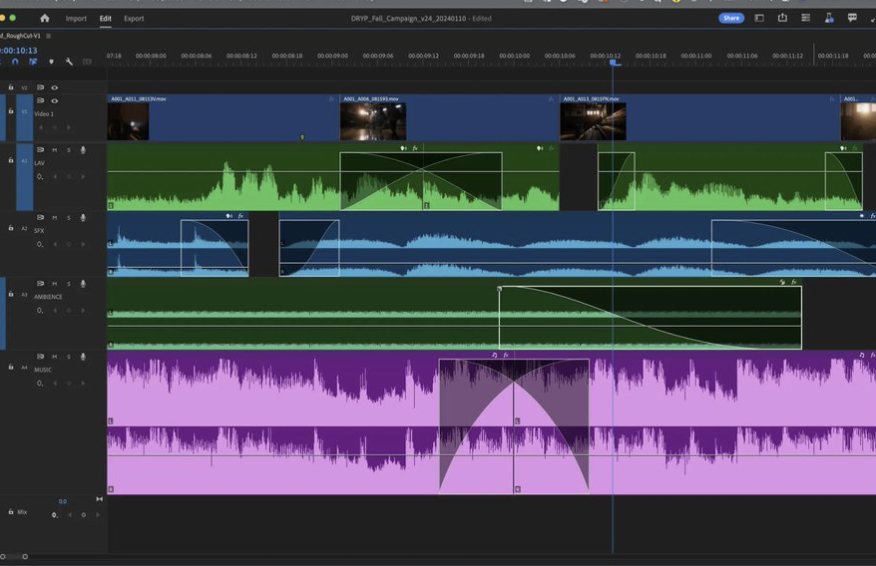
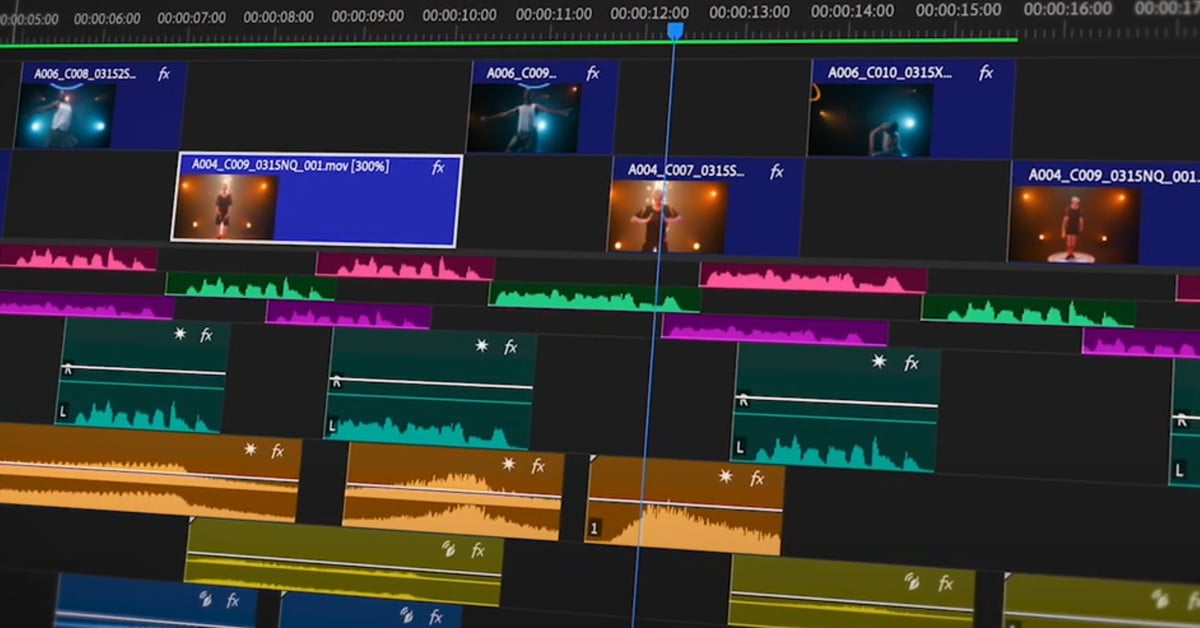
Adobe has introduced major new audio updates in Premiere Pro, including interactive fade handles, AI-powered audio category tagging, redesigned FX clip badges, and modern, intelligent waveforms and clips. These updates aim to provide a faster and more intuitive audio workflow for editing and mixing sound directly in Adobe Premiere Pro, and are available in the latest beta release for Creative Cloud members.
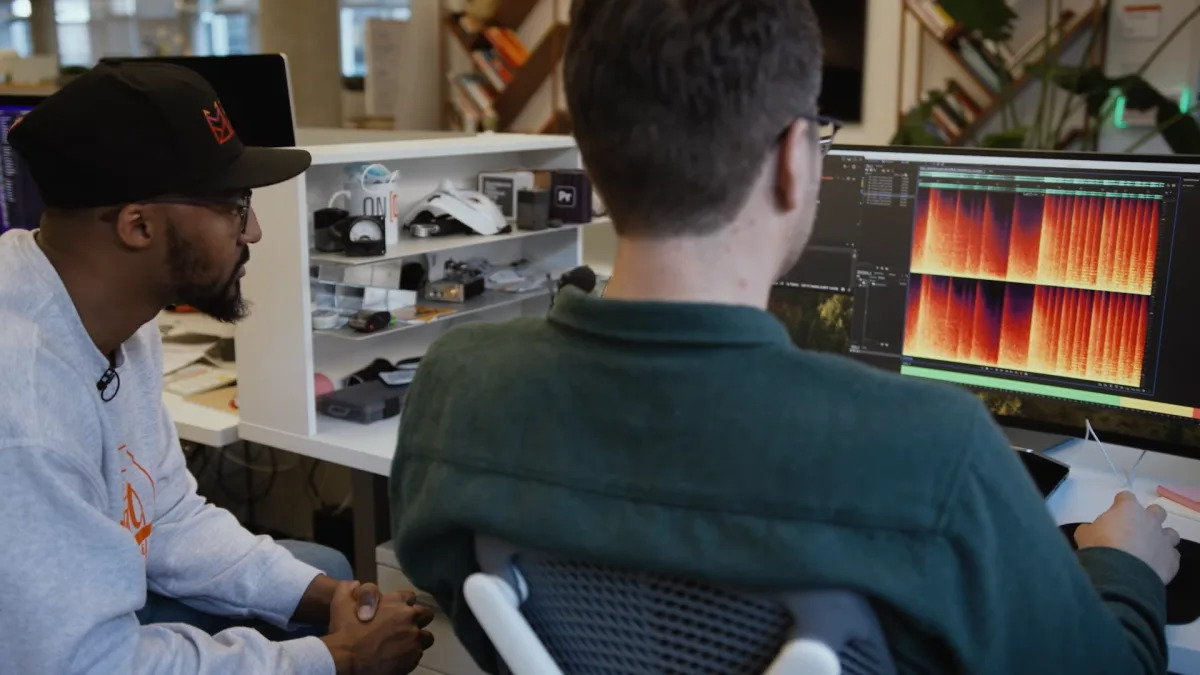
Adobe is introducing new AI-powered audio editing features to Premiere Pro, including interactive fade handles, AI-powered audio category tagging, and Enhanced Speech beta feature that cleans up poorly recorded dialogue. These updates aim to streamline the audio editing process, providing more control and customization options for editors. The Premiere Pro beta is available to Creative Cloud subscribers, allowing them to experiment with these features before they are fully released. These enhancements are designed to optimize the editing workflow and free up time for editors to focus on other creative endeavors.
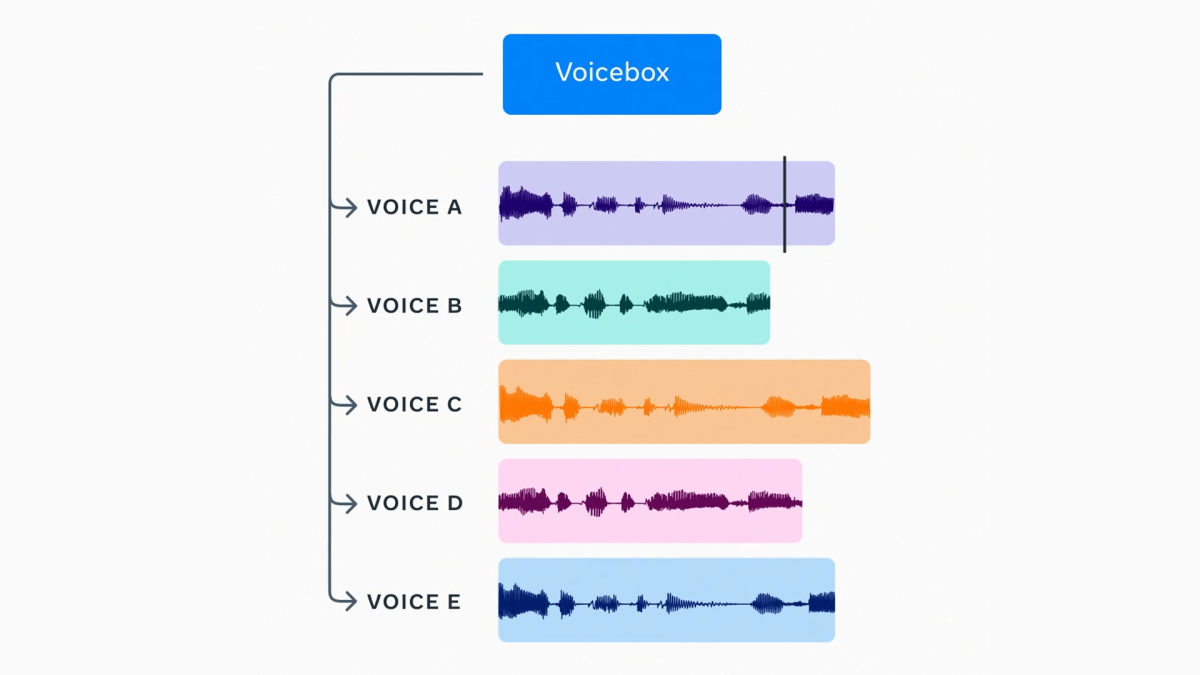
Meta has developed Voicebox, a versatile AI model that can perform speech generation tasks like editing, sampling, and stylizing that it wasn't specifically trained to do through in-context learning. The model can produce high-quality audio clips, edit pre-recorded audio, and is multilingual, capable of producing speech in six languages. Voicebox's versatility enables a variety of tasks, including in-context text-to-speech synthesis, speech editing and noise reduction, cross-lingual style transfer, and diverse speech sampling.
AI-powered audio editing tools are becoming increasingly popular in the industry. LALAL.AI can extract vocals, accompaniments, or specific instruments from any audio or video clip. Timebolt.io is a powerful tool for removing silences, speeding up scenes, and cutting down commentary in videos and audio projects. Adobe Podcast Vocal Enhancer is a free-to-use tool that enhances voice recordings to sound like they were recorded in a professional studio. These tools are simple and useful for any audio or visual project.
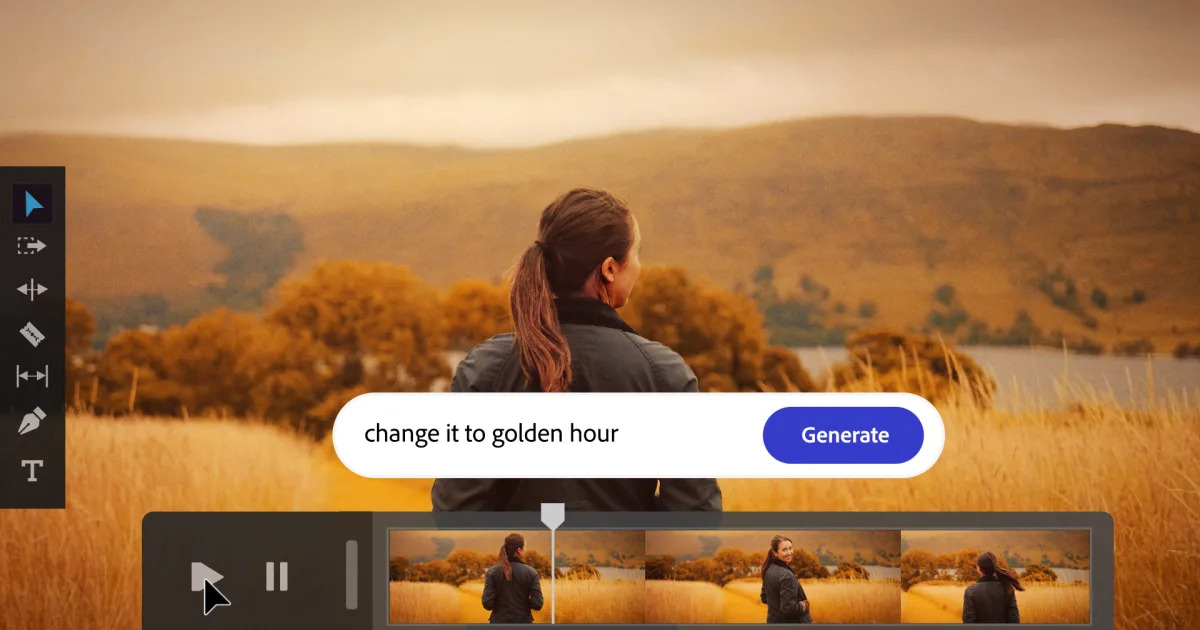
Adobe Firefly, a suite of generative AI models, is adding new features to its beta program later this year to help professional editors cut down on their drudge work. The new features include "text to color enhancements," the capacity to insert background music and sound effects, an automated b-roll feature, and personalized how-to guides. Firefly's generative AI features can create and transform audio, video, illustrations, and 3D models using text prompts.
Adobe has launched a cloud-based audio production tool called Adobe Podcast, which is aimed primarily at podcast production. Unlike traditional audio editors, Adobe Podcast is text-based, allowing users to edit their podcasts like they would a text document. Anything recorded through Adobe Podcast is automatically transcribed, and users simply edit the text to make changes. Adobe Podcast also includes a feature called "Enhance Speech," which transforms poor-quality audio into something more professional. The service is currently in beta and is available for free.