
Repurposed Seizure Drug Could Prevent Alzheimer’s Plaque Formation
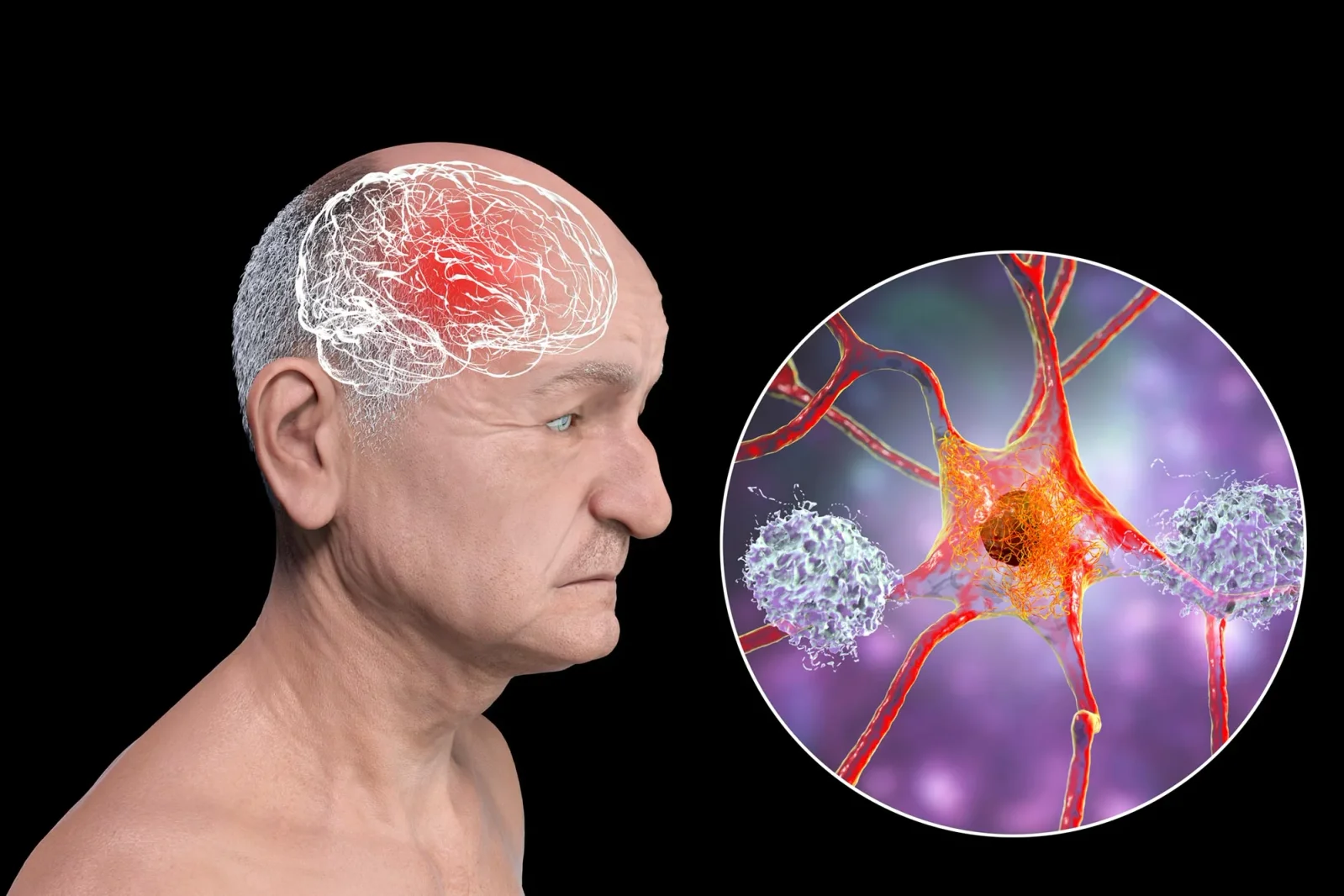
Northwestern researchers identify that the Alzheimer’s-related amyloid-beta 42 peptide accumulates inside presynaptic vesicles, and that the FDA-approved anti-seizure drug levetiracetam blocks its production by binding SV2A and slowing vesicle recycling, shifting APP away from the Aβ42-producing pathway. The findings in animal models, cultured human neurons, and Down syndrome brain tissue suggest a very early preventive approach—levetiracetam would need to be taken long before symptoms for a potential reduction in risk. A review of clinical records hints a modest delay in cognitive decline-to-death for patients on levetiracetam, supporting a possible benefit, while researchers urge developing longer-acting versions and testing in inherited Alzheimer’s forms. Importantly, this would not treat established dementia.