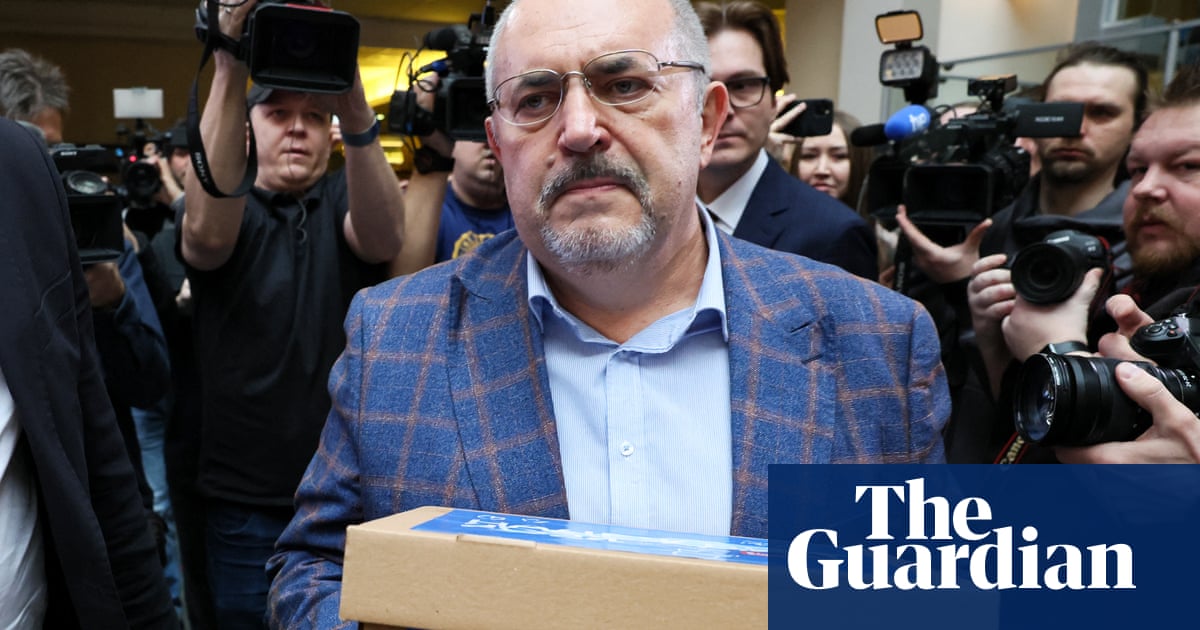
Russia's elections commission has found "dead souls" among the signatures of support submitted by Boris Nadezhdin, the sole anti-war candidate in the upcoming presidential election, raising the possibility of his disqualification. Nadezhdin, who has ties to both Kremlin insiders and opposition figures, has been summoned for a review of the "errors" in his signatures. His candidacy has become politically embarrassing for the Kremlin, and his support has grown among those dissatisfied with the war in Ukraine. Another anti-war candidate has already been disqualified, and Nadezhdin's surge in popularity has drawn support from allies of jailed opposition leader Alexei Navalny.
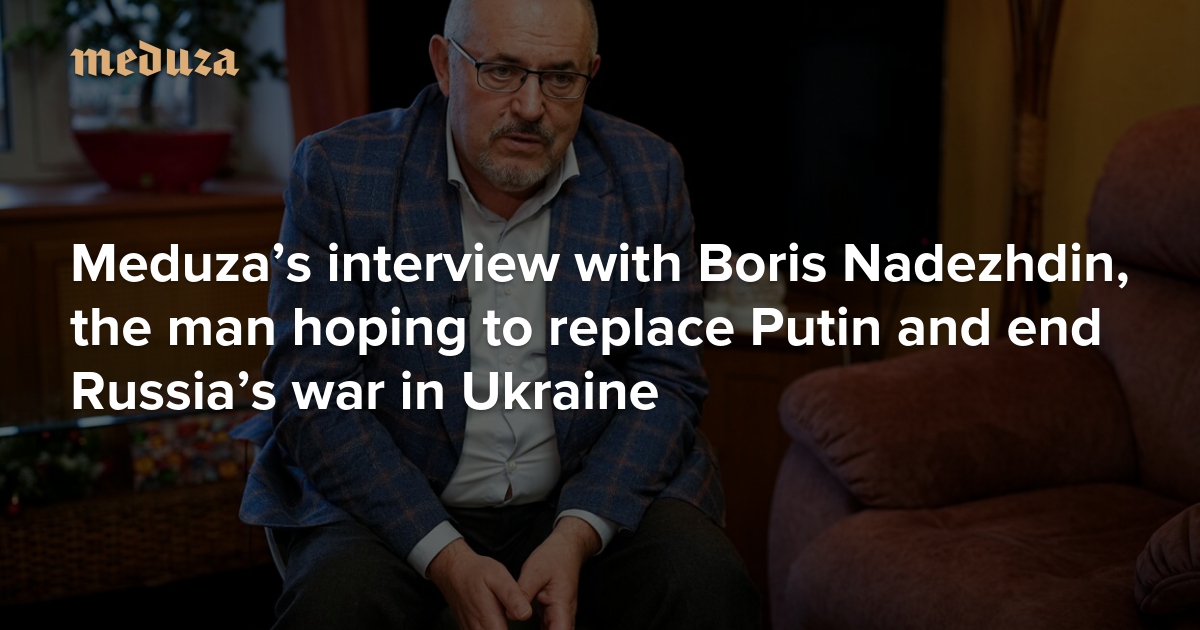
Boris Nadezhdin, a political veteran, has unexpectedly gained widespread support in Russia's presidential race with his anti-war message, prompting the Kremlin to face a dilemma. Nadezhdin discusses his decision to run for president, his political platform, and his plans if he were to become president. He also addresses his association with nationalist figures, his stance on LGBTQ+ rights, and his views on reckoning with Russian war crimes. Nadezhdin emphasizes his commitment to influencing Russian politics in a legal way, regardless of the election outcome, and discusses potential scenarios if he is not allowed to register for the presidential race.
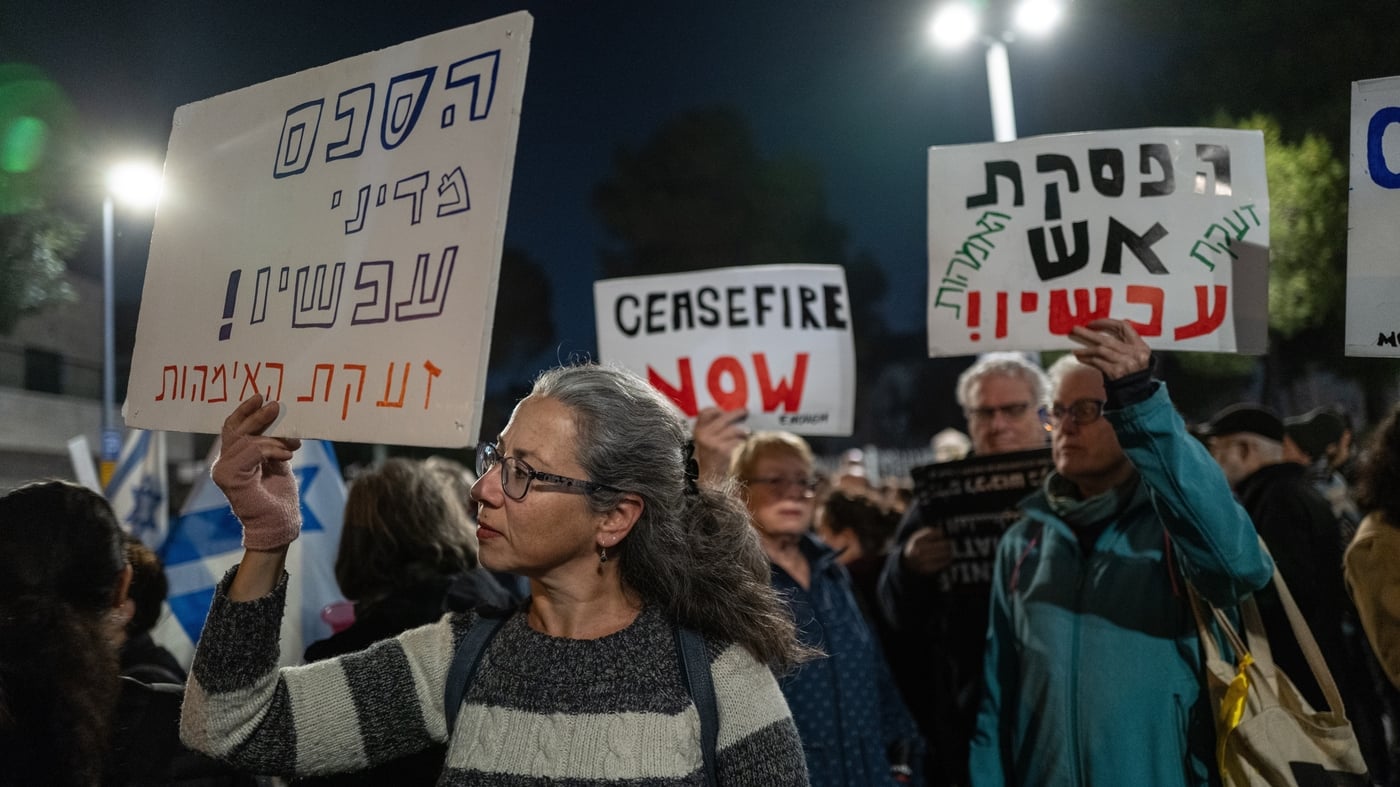
A group of Israeli mothers, including Michal Brody-Bareket, whose son is a soldier deployed in Gaza, have formed The Mothers' Cry to call for an end to the Gaza war. Despite overwhelming support for the military campaign, these mothers are drawing inspiration from the Four Mothers movement and are advocating for a cease-fire and the release of hostages held in Gaza. The group's anti-war stance has received little public exposure, and they have faced opposition from another group of mothers calling for intensified military operations in Gaza. Israeli police have suppressed anti-war demonstrations, leading to concerns about freedom of expression and protest.
Russia's opposition and anti-war movement face difficult conditions both inside and outside the country due to pressure from the regime and criticism from Ukraine. The European Union's policy of visa restrictions and cultural discrimination towards anyone born in Russia has made it harder for the opposition to fight against Putin. The opposition is also struggling with internal disputes regarding personal sanctions and the limits of actions taken in defense of the interests of "the average Russian." The war in Ukraine continues, and most Russians support it due to the regime's successful narrative claiming Russia is merely defending itself. The opposition's goal is to increase the cost of the work the state is having to do with the public, and every specialist who leaves the country or stops working with the state delivers a powerful blow to the Kremlin's ability to maintain the technological level of its weaponry.
Dima Nova, founder of the popular electronic group Cream Soda, has died by drowning aged 34 while crossing Russia's Volga river in the Yaroslavl region. Nova criticized Russian President Vladimir Putin's alleged $1.3 billion mansion in the song "Aqua Disco," which became an anthem during anti-war protests in Russia. Cream Soda became icons of the anti-war movement when comedian Alexander Gudkov used one of their songs to poke fun at Putin. Tributes have poured in for Nova who had built an international following.