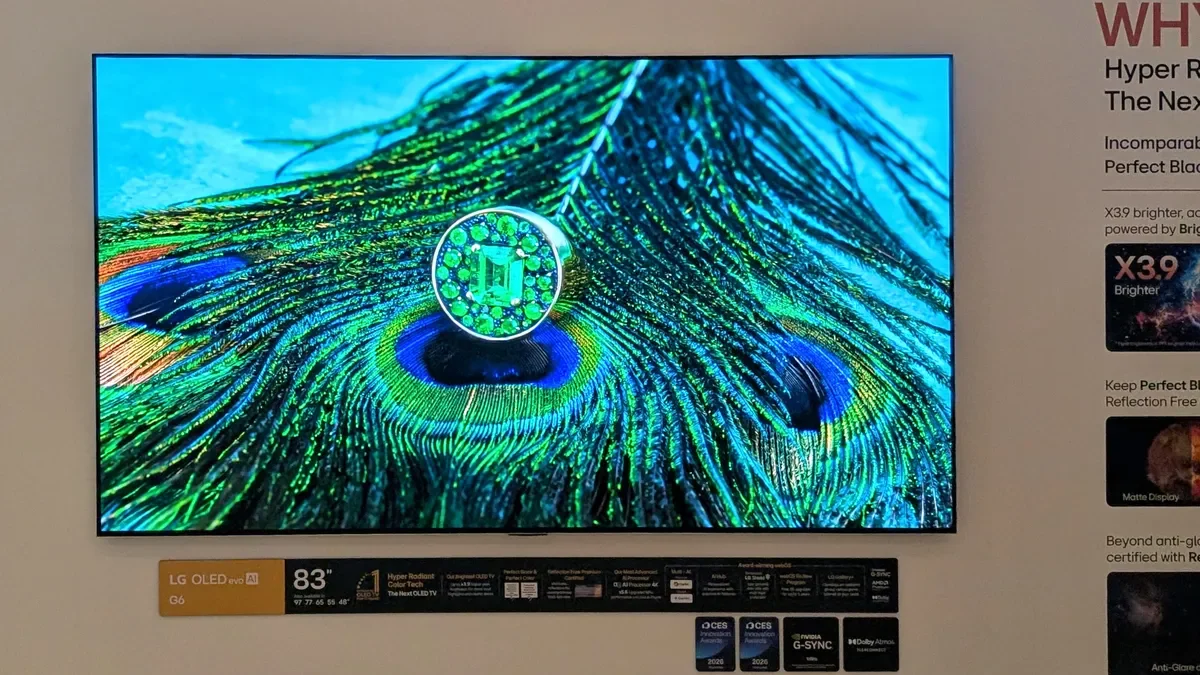
The LG G6 OLED TV has been upgraded with Tandem technology, making it 20% brighter than its predecessor and featuring an anti-reflective coating for better viewing in lit rooms, positioning it as a more affordable and practical alternative to the high-end LG Wallpaper W6, with an expected release later in 2026.
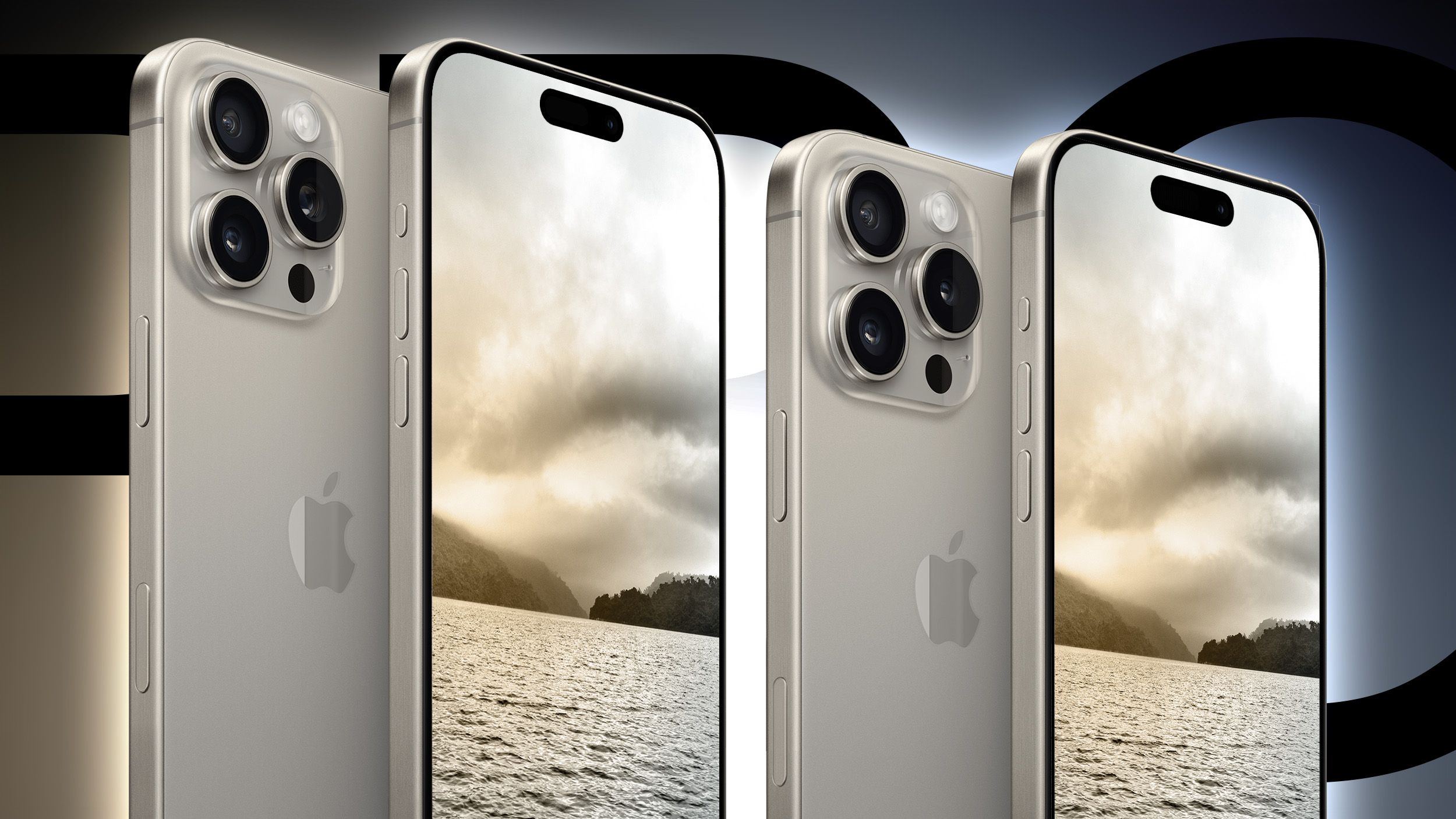
Apple is reportedly testing a new anti-reflective optical coating technology for the iPhone 16 Pro's camera lenses, which could reduce artifacts like lens flare and ghosting in photos. The technology, known as atomic layer deposition (ALD), allows for precise control over thickness and composition of coatings, potentially improving photo quality. This innovation may be applied to the premium models in the iPhone 16 series, and is expected to be introduced around mid-September.
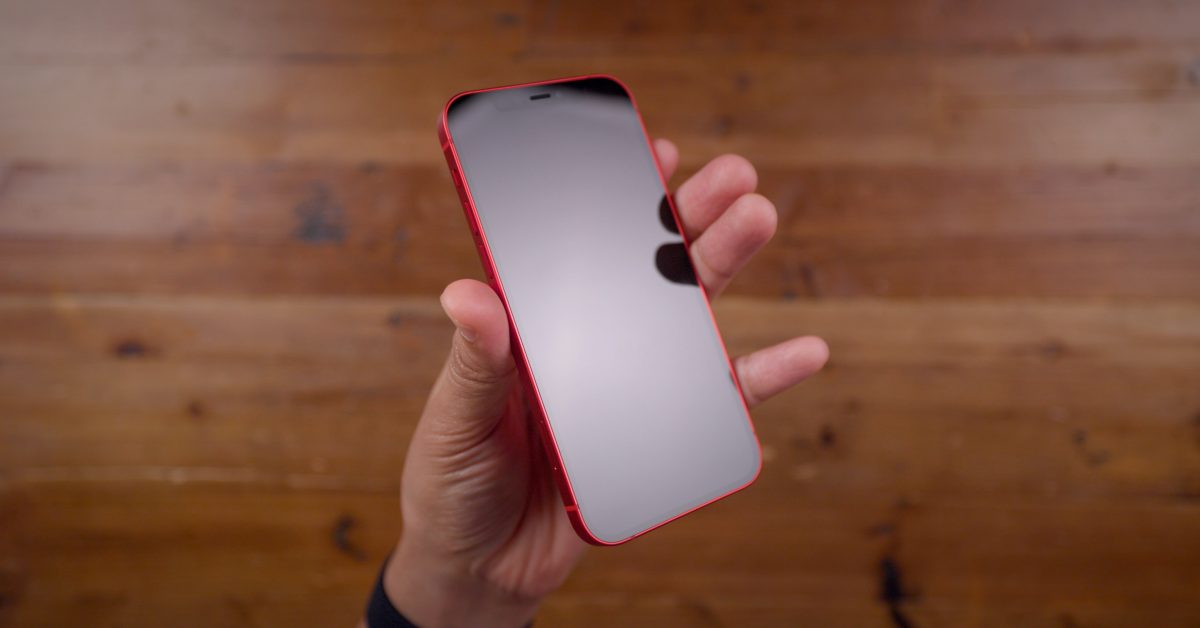
A rumor suggests that Apple has invested in new coating technology for future iPhone displays, making them more scratch-resistant and adding an anti-reflection layer, but it won't be ready for the iPhone 16. The technology, reportedly handed over to Apple's supply chain partners in China, is expected to debut with the iPhone 17 series in 2025, featuring a super-hard anti-reflective layer. This aligns with Corning's Gorilla Glass Armor, which reduces reflection by up to 75% and offers added protection against scratches, potentially hinting at a future collaboration between Apple and Corning for the iPhone's display.
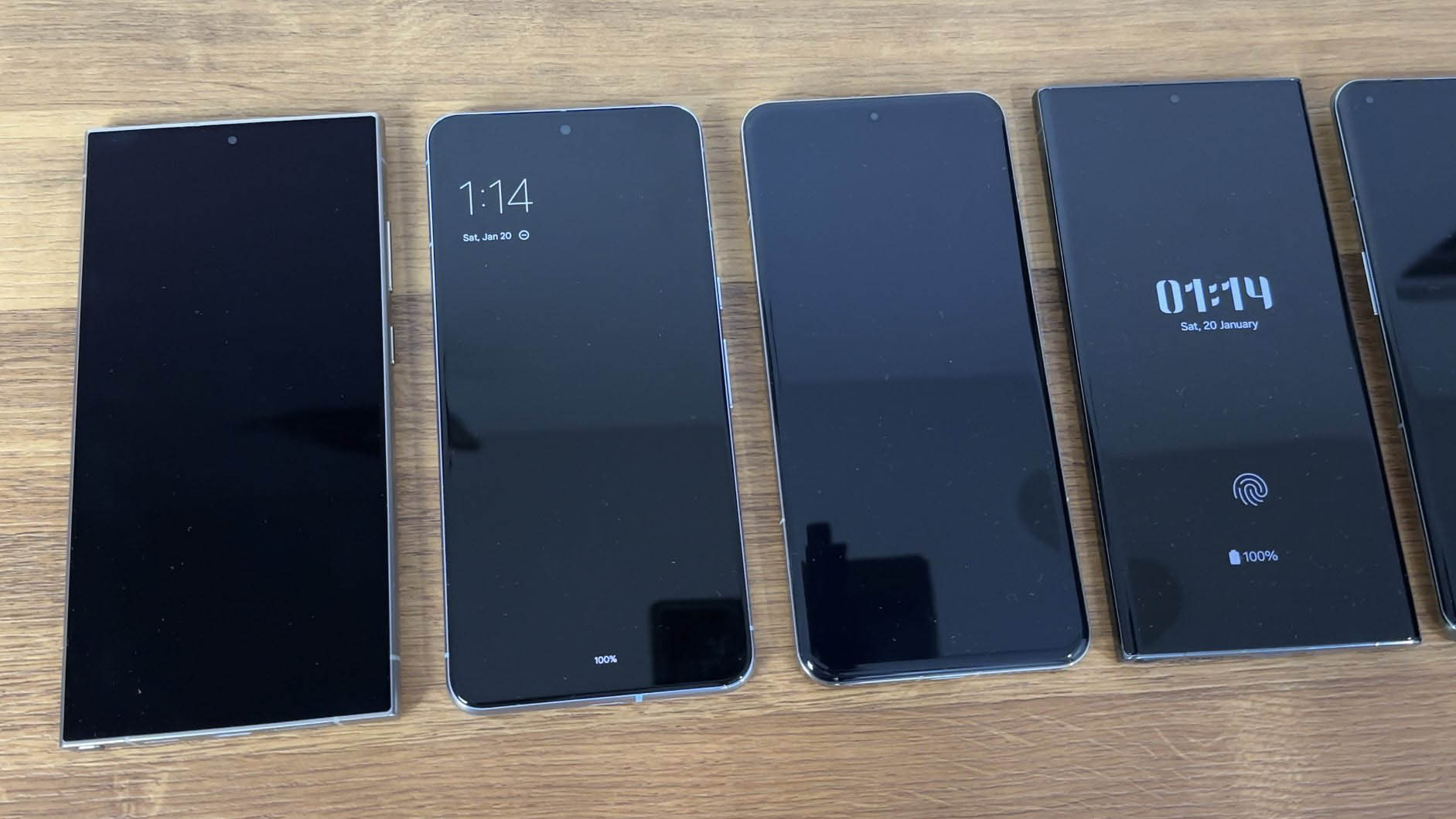
The Galaxy S24 Ultra's anti-reflective coating, a highly underrated feature, outshines competitors in display visibility under broad daylight, yet was not heavily marketed. Despite not being included in the less expensive Galaxy S24 and S24 Plus, the technology's benefits make it a valuable addition, prompting hopes for wider adoption by other phone makers.