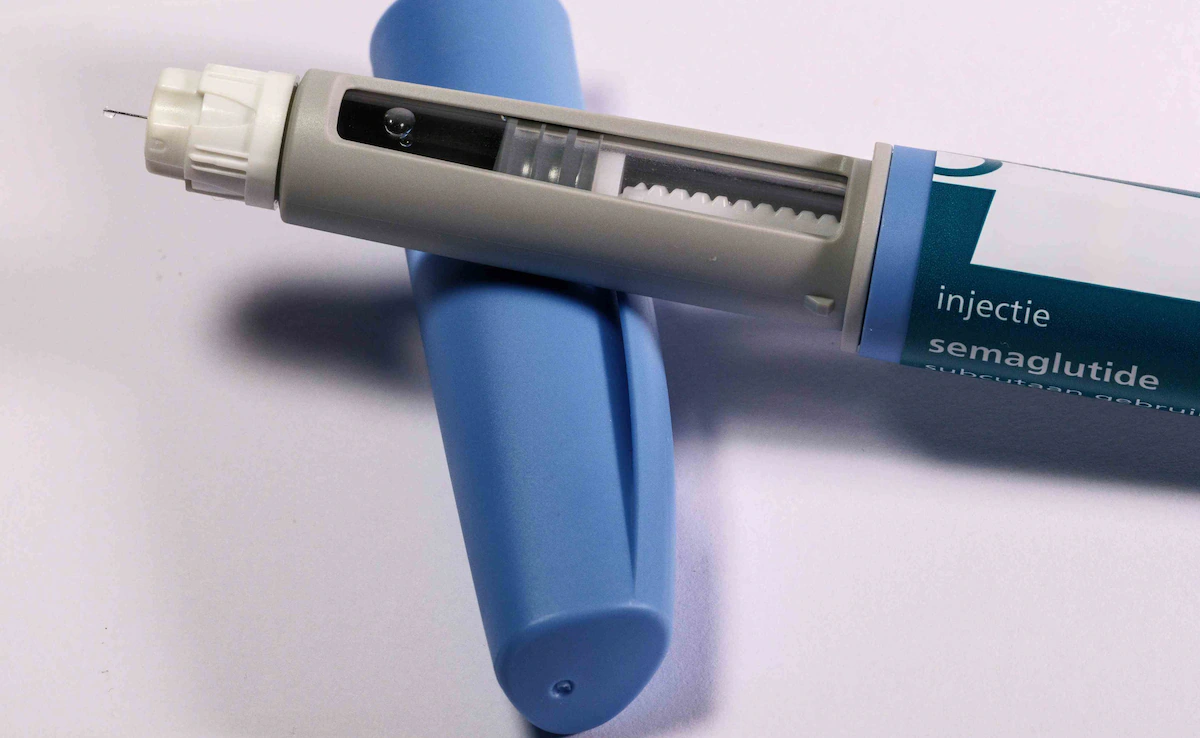
A study found that weight lost through anti-obesity medications like Ozempic tends to be regained after stopping treatment, with significant weight returning within 8 to 20 weeks, highlighting challenges in maintaining weight loss post-medication.
This systematic review and meta-analysis examines the long-term effects of anti-obesity medications (AOMs) on body weight after discontinuation, finding significant weight regain starting around 8 weeks post-discontinuation that persists up to 20 weeks, with variations based on medication type and patient characteristics.
The Academy of Nutrition and Dietetics emphasizes the need for nutrition therapy alongside anti-obesity medications, stating that medications alone will not end obesity. The statement comes on World Obesity Day, highlighting the importance of a collaborative, interprofessional approach and policy changes to reduce health inequity and disparity. While the popularity of weight-loss medications like GLP-1 receptor agonists has surged, experts stress the necessity of combining medication with proper nutrition and exercise for effective obesity management.
New anti-obesity medications, including Ozempic, Wegovy, and Mounjaro, promise to help people lose 15% to 20% of their body weight, reducing health risks associated with obesity. These drugs work by amplifying the natural "fullness" signal between the stomach and the brain, encouraging people to stop eating sooner. However, they can cause side effects such as nausea, vomiting, and diarrhea. Doctors worry that patients don't understand the full implications of the medications, and studies have only followed people for about two years, so it's not clear whether the medications can keep weight off longer or if there will be unanticipated effects later.