Citi has launched the new $350 annual fee AAdvantage Globe Mastercard, targeting American Airlines flyers with benefits like Admirals Club passes, a companion certificate, inflight credits, free checked bags, and bonus miles, making it a potentially valuable option for frequent American travelers, though it may not suit everyone.

American Express has upgraded its U.S. Platinum cards, adding over $3,500 in annual perks such as dining credits, hotel benefits, and entertainment options, while increasing the annual fee by $200 to $895, aiming to strengthen its position in the premium credit card market.
American Express has upgraded its Platinum Card with new perks worth approximately $3,500, including a $400 dining credit, a $600 hotel credit, and other benefits, while increasing the annual fee to $895, aiming to justify the higher cost with enhanced value.
The Chase Sapphire Reserve card has increased its annual fee to $795 and revamped its rewards structure, causing frustration among cardholders and leading some to consider canceling. The author, who never owned the card, feels relieved and vindicated by these changes, reflecting on the past hype and their own missed opportunity.
American Express announced significant updates to its Platinum and Business Platinum cards, with the potential for the annual fee to increase towards or beyond the $1,000 mark, reflecting a trend of rising fees for premium credit cards amid economic uncertainties and upcoming competitor changes.
American Express has made significant changes to the Hilton Honors Business Card, including an increase in the annual fee to $195, the discontinuation of the free night award benefit after June 30, 2024, and the elimination of bonus categories in favor of a better return on all purchases for the first $100K in annual spend. While the welcome offer has increased, the long-term value proposition has decreased substantially, making the card less appealing for some cardholders.
American Express has made significant changes to its Hilton Honors American Express Business Card, including a substantial increase in the annual fee from $95 to $195, removal of free night rewards, introduction of a new quarterly statement credit of up to $60 for eligible Hilton purchases, complimentary National Car Rental® Emerald Club Executive® status, and changes to the earning rates. These changes have been met with overwhelming negativity, with existing cardmembers expressing disappointment and considering options such as seeking retention offers or downgrading or canceling the card.
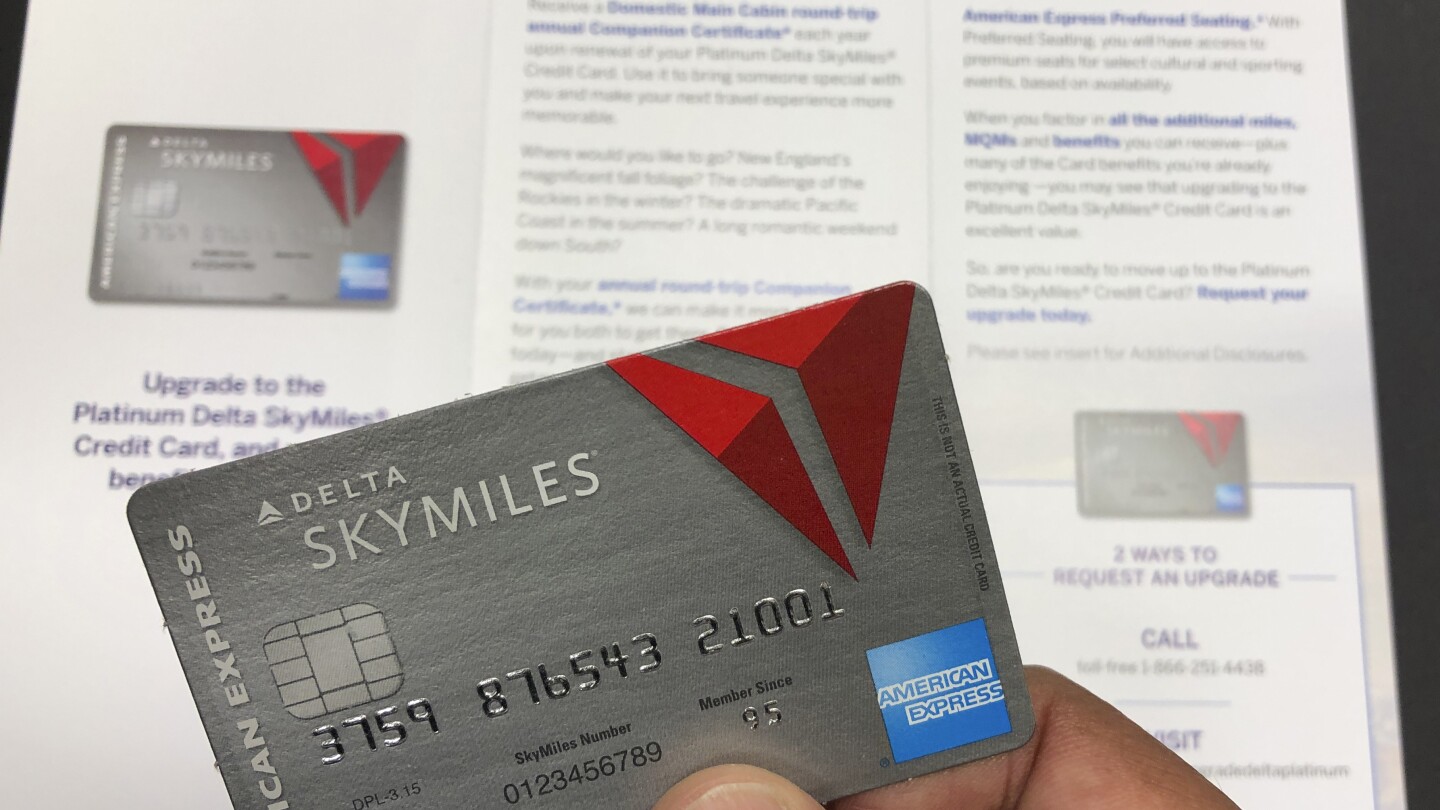
American Express has updated its Delta SkyMiles credit cards with additional benefits, including flight credits, restaurant credits, and rideshare app credits, as well as broader use of companion certificates. These updates come with a higher annual fee, with the Delta Gold Card at $150, the Delta Platinum at $350, and the Delta Reserve at $650. The changes aim to retain customers who were dissatisfied with Delta's alterations to its SkyMiles loyalty program last year, which led to complaints and threats of card cancellations.
American Express has announced changes to its Business Gold Card, including new bonus categories, statement credits, and a higher annual fee. The card will now earn 4 points per dollar spent on top two spending categories, with two new bonus categories added: transit purchases and monthly wireless telephone service charges. However, cardholders will no longer earn bonus rewards on airfare purchased directly from airlines and U.S. purchases for shipping. The annual fee will increase to $375 starting in February 2024. The card now offers up to $395 in statement credits annually, including credits for FedEx, Grubhub, and office supply stores. It also includes cellphone protection and a rose gold option.
Texas is set to impose a $200 annual registration fee on electric vehicle (EV) owners, with exceptions for certain types of vehicles. The fee is intended to cover the cost of public infrastructure that EV owners still rely on. Critics argue that the fee is punitive and will make it harder for Texans to afford clean vehicles. Texas is one of more than a dozen states to impose such a fee, with Georgia being the only other state to charge $200.