Google has released a December 2025 update for Pixel devices, addressing issues like battery drain and touch responsiveness, particularly on Pixel 10, with limited rollout across carriers and regions, and additional updates for Pixel 8 and newer models.
Android 16 QPR2 Beta 2 has been released for Pixel devices, introducing new features such as improved lock screen media controls, integration with Health Connect for activity tracking, Material 3 design updates for security and privacy, beta lock screen widgets, and customizable app icon shapes. The update aims to enhance user experience with various UI and privacy improvements.
Google has released Android 16 QPR2 Beta 2 for Pixel devices, offering new features like developer verification, SMS OTP protection, customizable app icons, improved garbage collection, and expanded health tracking, with a planned stable release in December.
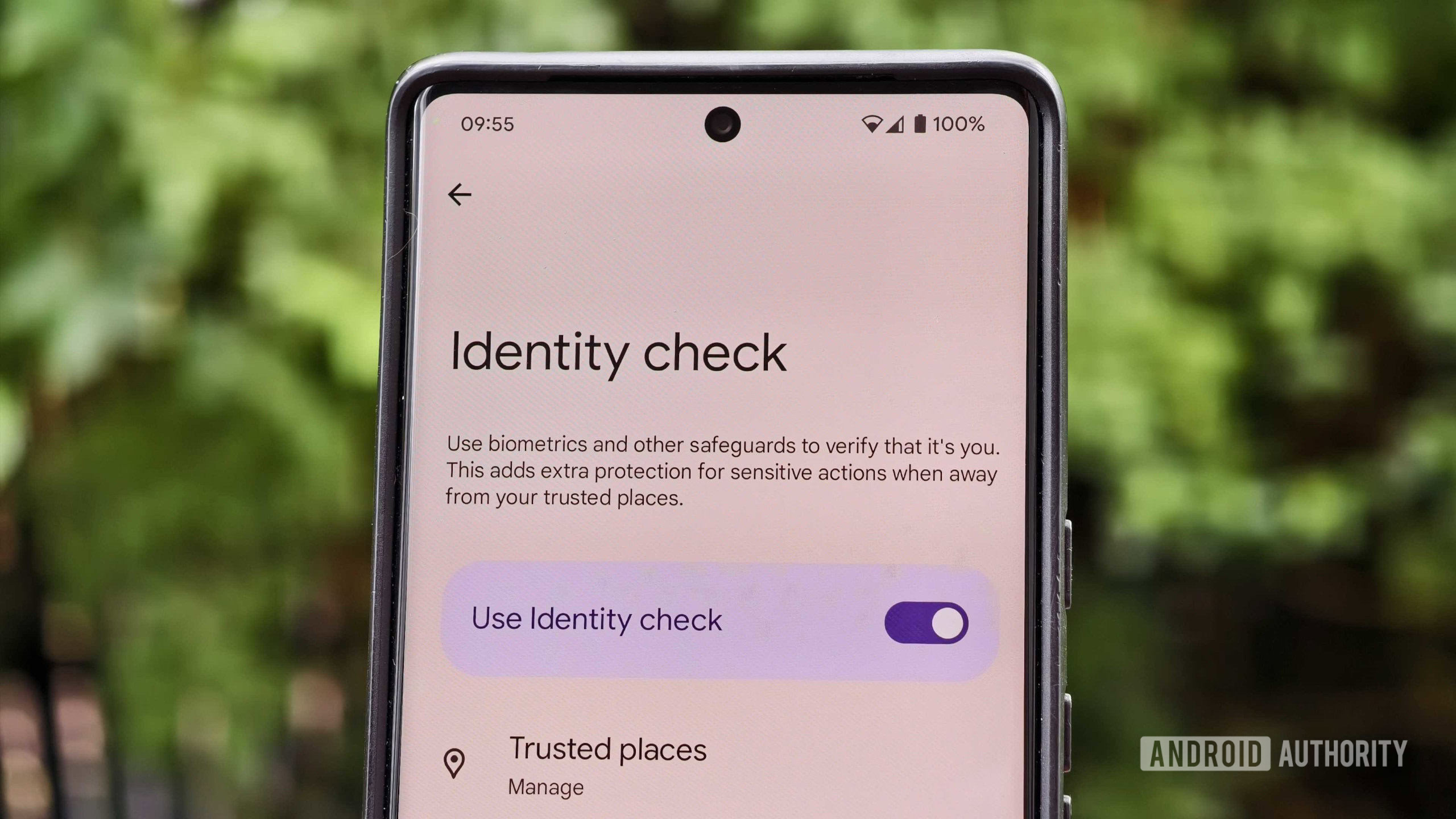
Google is expanding its Android Identity Check feature in the upcoming Android 16 QPR2 update to enforce biometric-only authentication for apps that use the biometric prompt, removing the fallback to screen lock credentials, thereby enhancing security against theft outside trusted locations.
Android 16 QPR2 Beta 1 introduces improved support for themed app icons by automatically generating monochrome versions for apps that don't natively support them, and offers new options for icon theming, including a potential AI-powered icon creation feature.
Google has started beta testing Android 16 QPR2, a significant quarterly update that introduces new developer APIs and user features, as part of its accelerated release schedule aiming for faster Android and AI capabilities. The update is available for Pixel devices and is expected to be officially released in December 2025, with users on the previous beta having a limited window to switch back to stable without data loss.
Google's upcoming Android 16 QPR2 update, expected in December 2025, will introduce new AI capabilities allowing AI agents to control other apps, enhanced parental controls with local supervision, and support for advanced ultra-wideband (UWB) features, expanding device functionality and privacy controls.