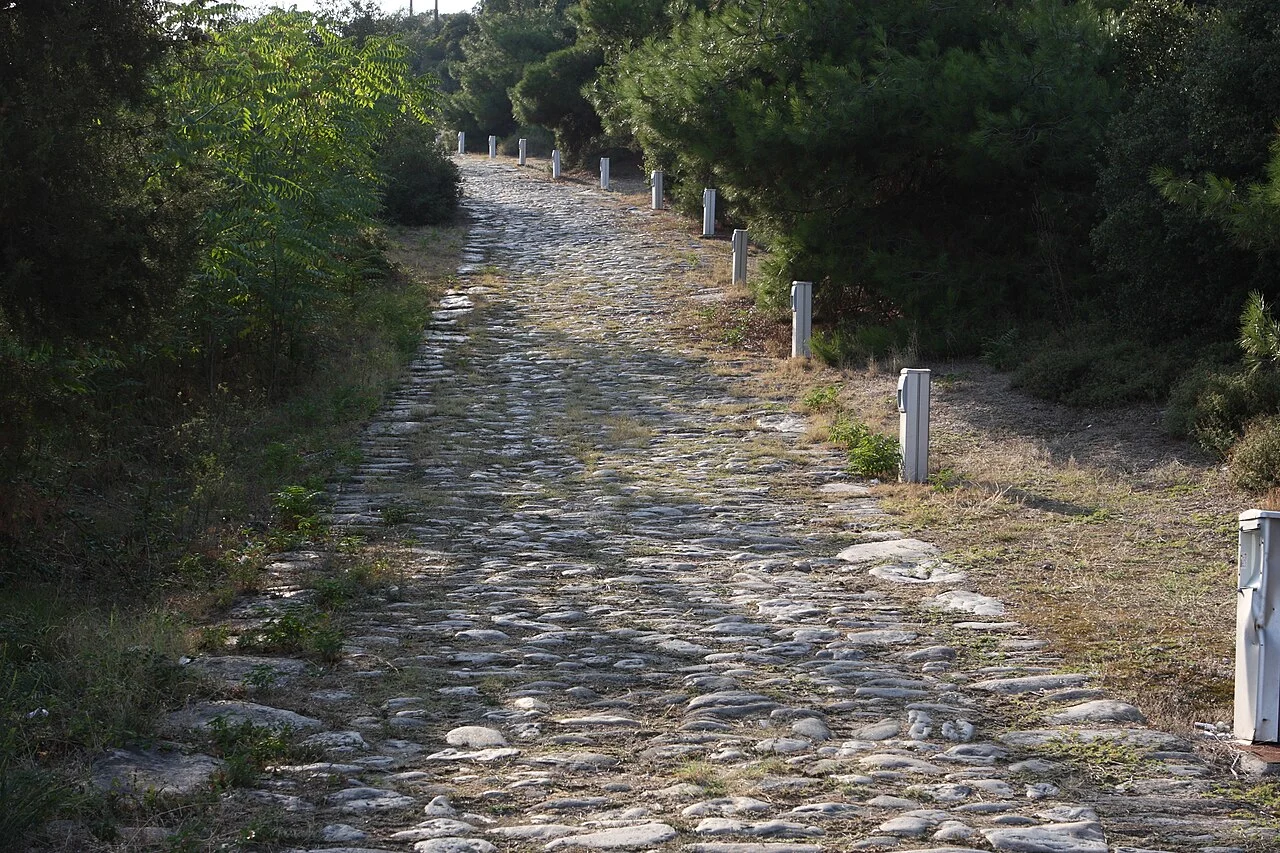
A new digital map reveals the extensive Roman road network that connected much of the empire, including Greece, significantly enhancing transportation, trade, and cultural exchange, and leaving a lasting legacy in modern infrastructure.
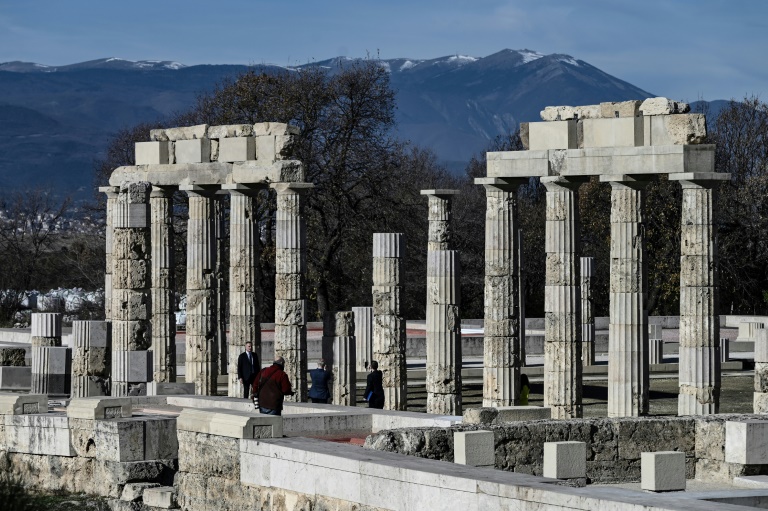
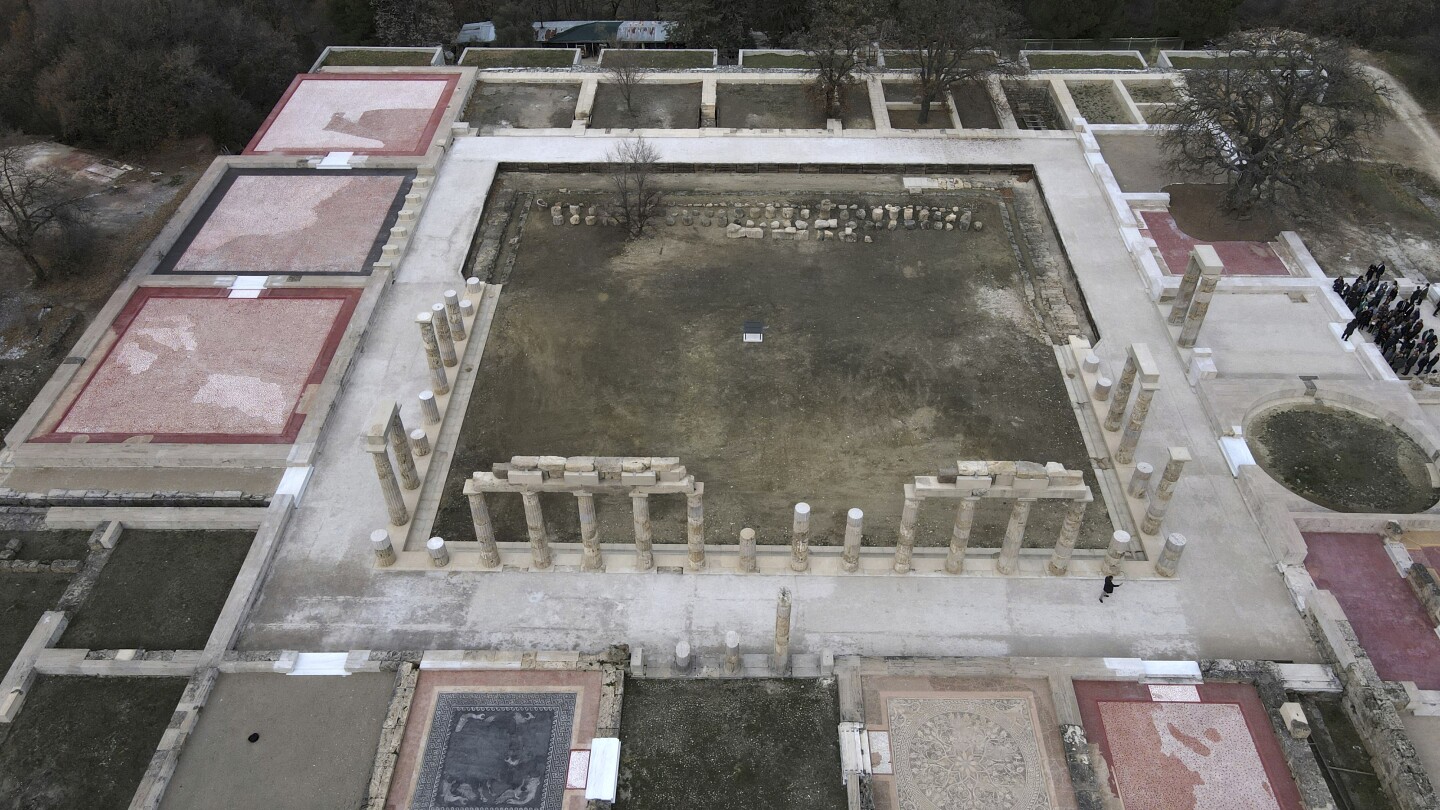
The Palace of Aigai, the ancient coronation site of Alexander the Great, has been reopened to the public after a 16-year restoration project costing 20 million euros. Greek Prime Minister Kyriakos Mitsotakis inaugurated the 4th century BC site, emphasizing its global significance and its role in confirming the Greek identity of Macedonia. The palace, a UNESCO World Heritage Site, is expected to be a significant tourist attraction, aligning with Greece's efforts to invest in its historical sites for tourism revenue.
The Palace of Aigai, the site where Alexander the Great was proclaimed king over 2,300 years ago, has fully reopened in northern Greece after a 16-year renovation costing over 20 million euros. The palace, built during the reign of Alexander's father, Philip II, was the largest building of classical Greece and is part of a UNESCO World Heritage Site. The restoration included reassembling marble columns and intricate mosaics, revealing the grandeur of the ancient Macedonian capital. The site, which also includes royal tombs discovered in the 1970s, will be open to the public.