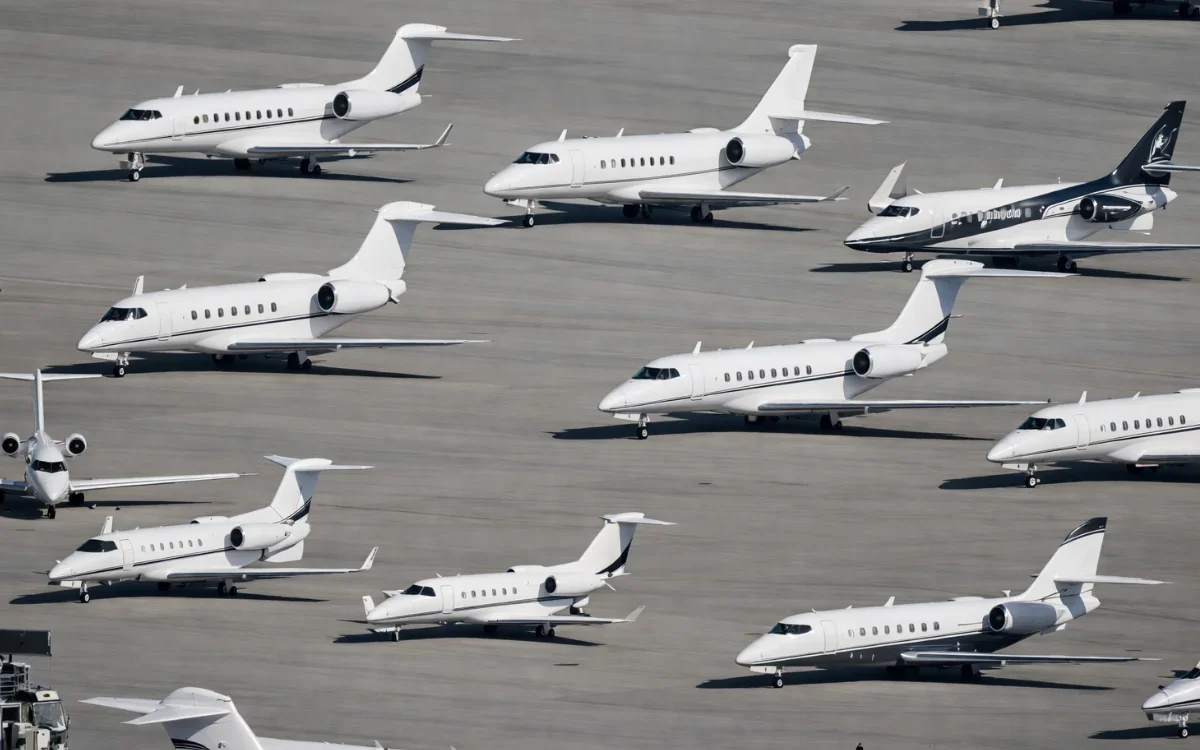
Unreal footage captures a sea of private jets lining San Francisco and San Jose runways ahead of Super Bowl LX, underscoring the celebrity-driven travel spectacle as stars and NFL attendees arrive in style.
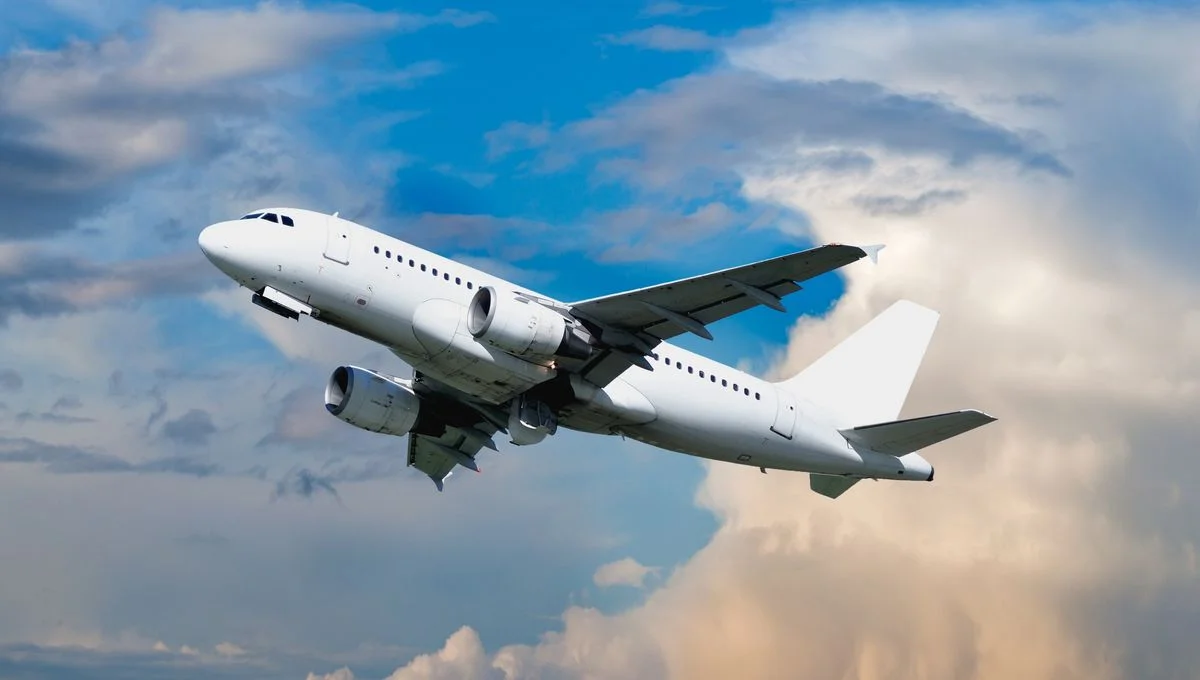
Mercury is banned on airplanes primarily because if a thermometer containing mercury breaks, the mercury can react with aluminum in the aircraft, causing corrosion and potential structural damage due to a self-propagating reaction known as amalgam corrosion.
Despite airplane windows blocking most UVB rays, UVA rays can still penetrate and cause skin damage, so wearing sunscreen on flights is recommended for everyone, especially for those with higher risk factors like fair skin or a history of skin cancer.
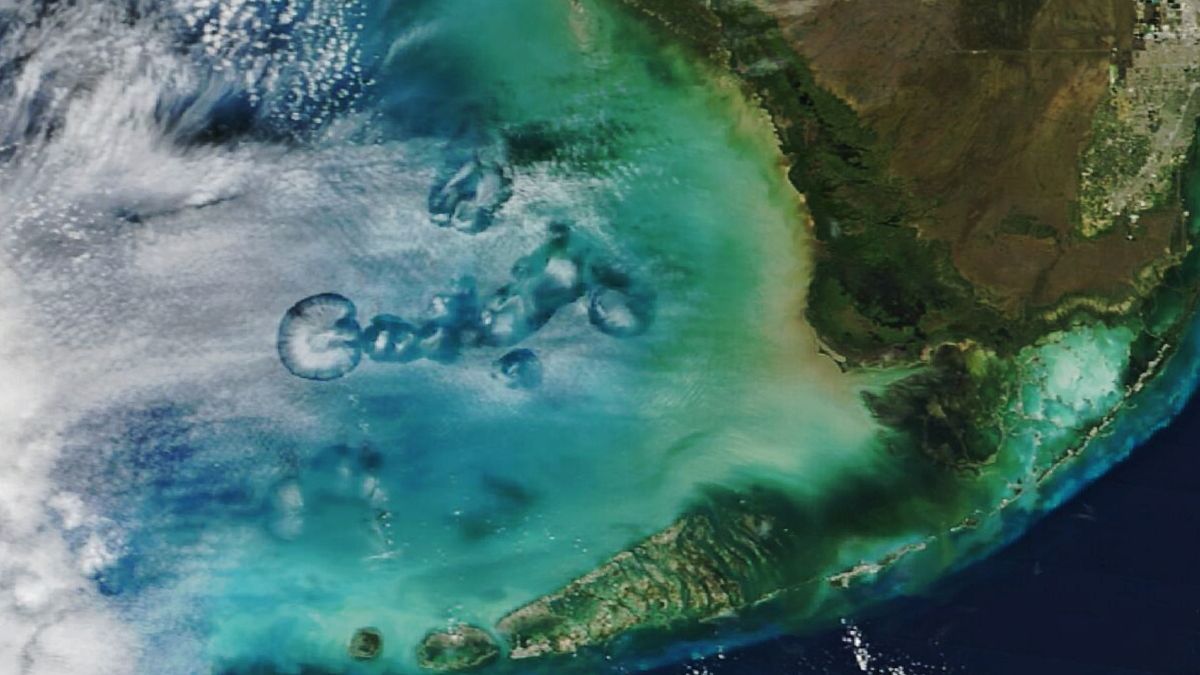
NASA's Terra satellite captured rare, circular holes in the clouds above Florida, known as fallstreak holes or hole-punch clouds, caused by airplanes flying through altocumulus clouds. These holes, previously linked to UFOs, were created by planes taking off from Miami International Airport, and can last around one hour before closing up. They pose no threat to people on the ground but can slightly increase precipitation in surrounding areas.
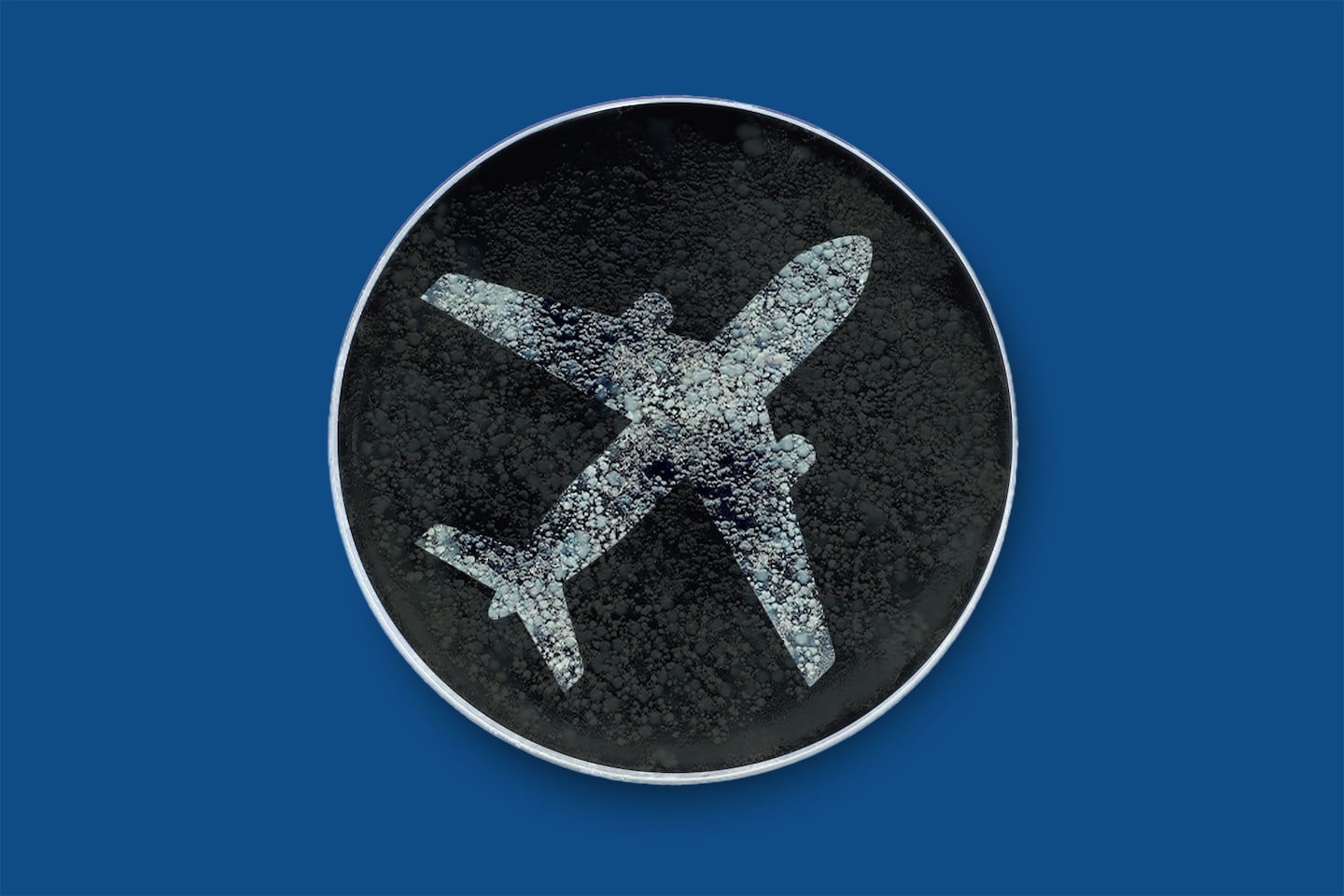
A recent experiment conducted on an airplane found that high-touch points in the main cabin and lavatories were teeming with germs, with a germ-detection device indicating a "fail" for nine out of ten tested areas. While airlines have their own sanitation procedures, there are no federal regulations or standardized cleaning protocols in place. Experts recommend practicing good hand hygiene, using hand sanitizer and antibacterial wipes, and wearing masks to reduce the risk of infection while traveling. The dirtiest spots on the plane were found to be the lavatory sink handle and tray table, emphasizing the importance of maintaining cleanliness and taking precautions during air travel.