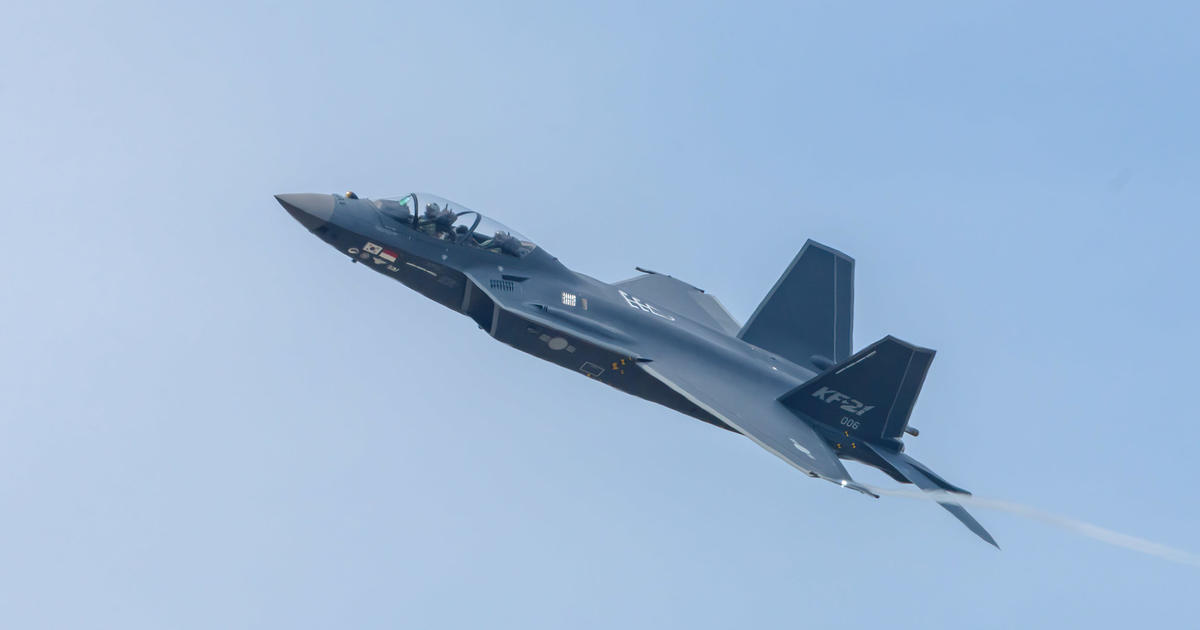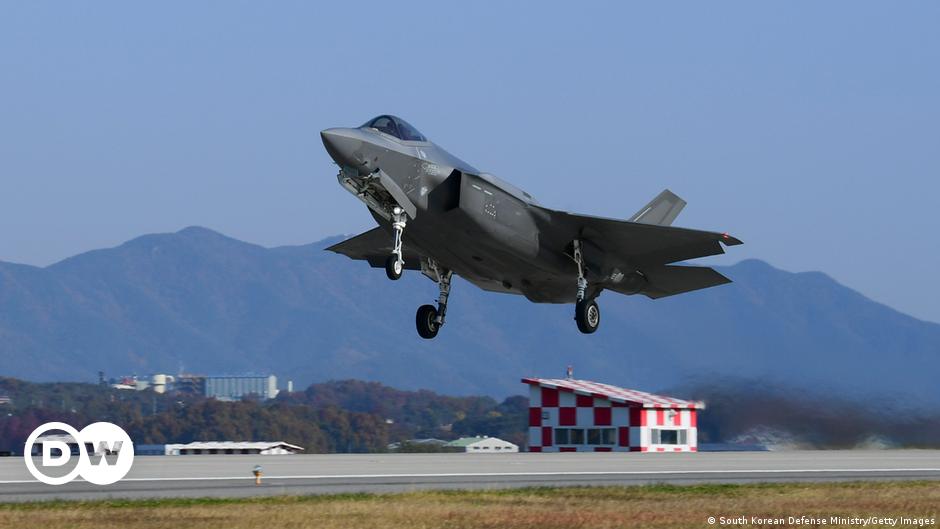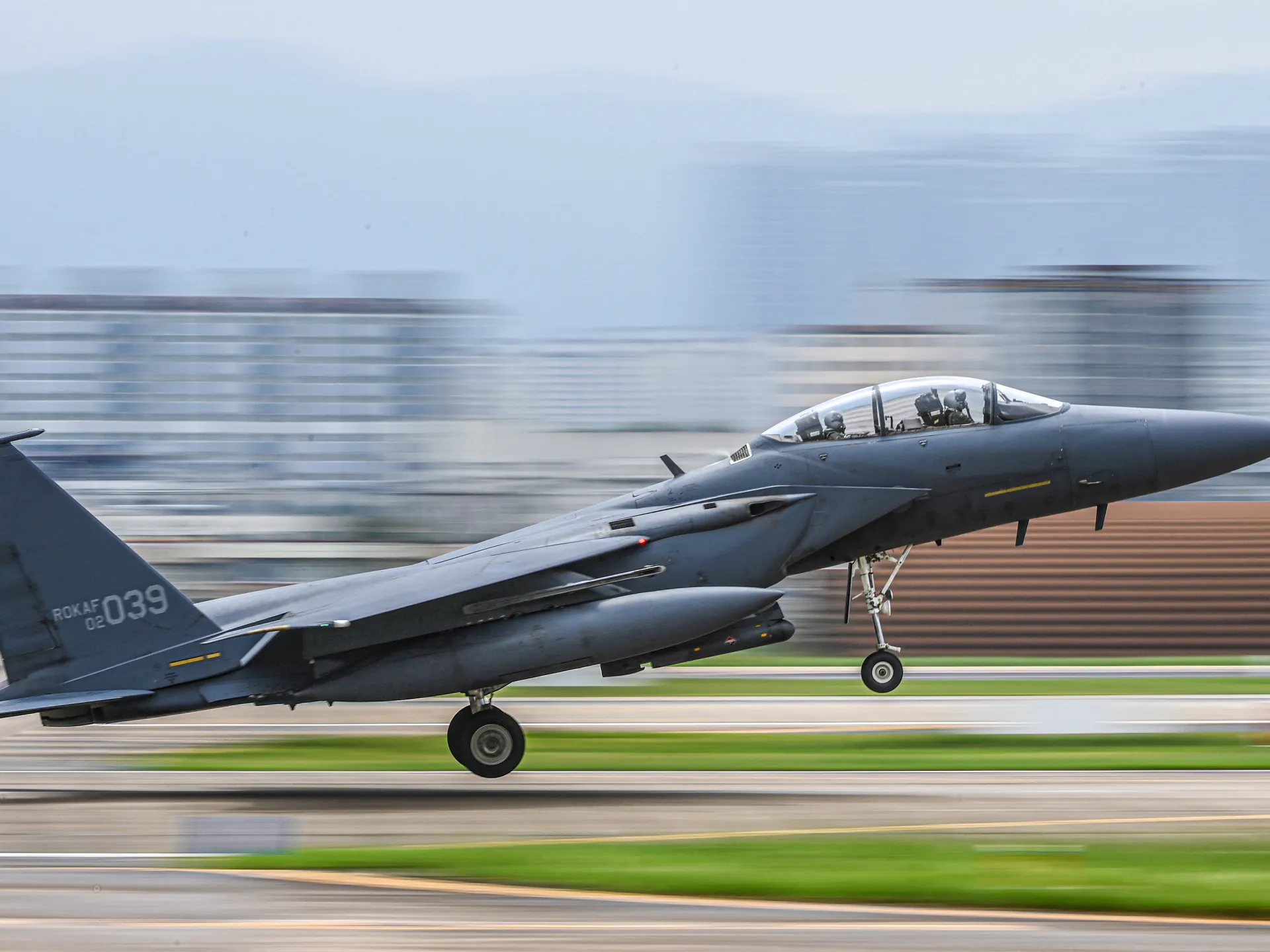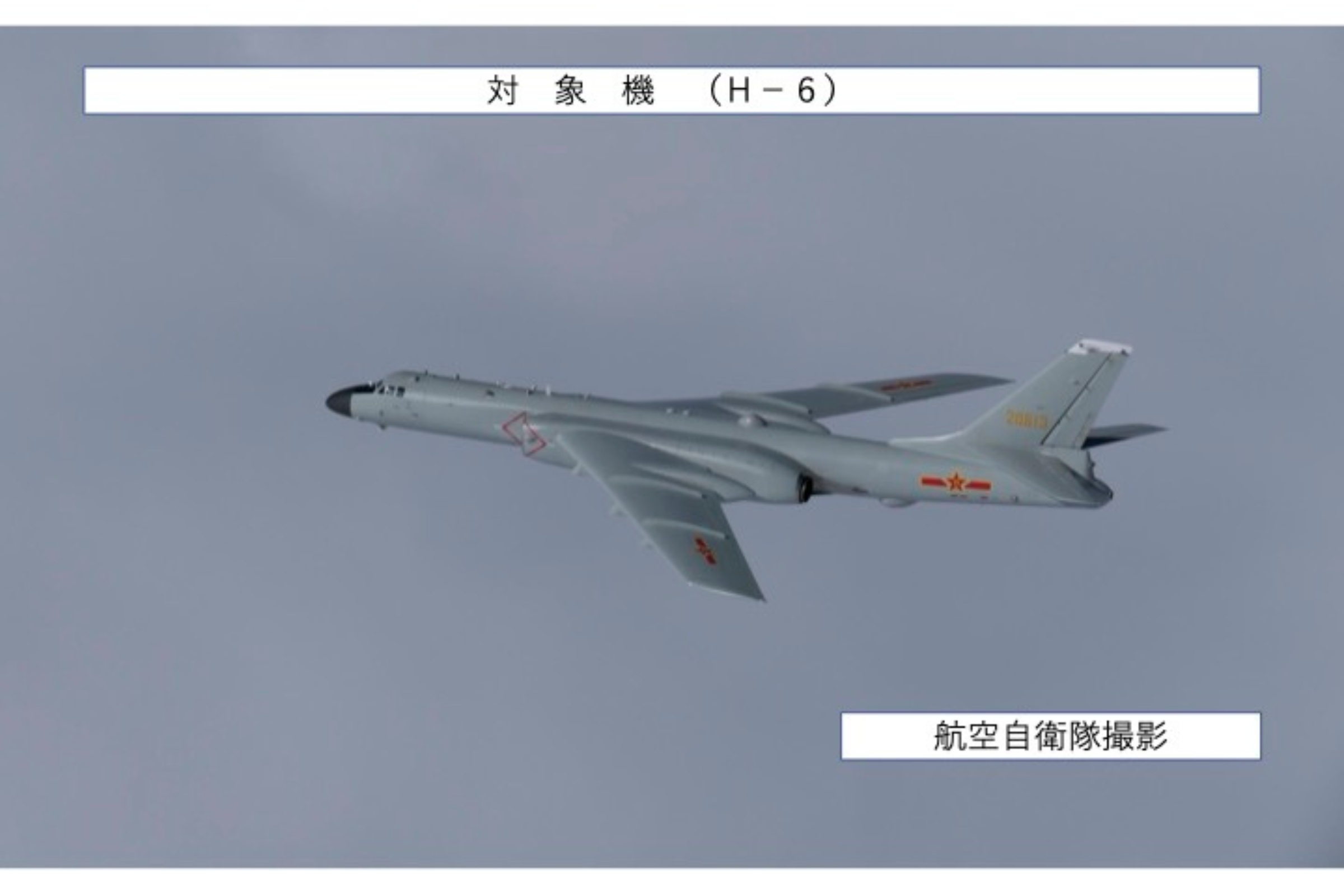
US allies South Korea and Japan scrambled fighter jets in response to joint patrols by Chinese and Russian strategic bombers. The patrols, the seventh of their kind, demonstrate growing security collaboration between Moscow and Beijing. The flights took place in international airspace but were seen as a pointed display at the US and its Asian allies. Russia's Defense Ministry described the exercise as a demonstration of collective military strength, while China's Foreign Ministry called it routine and consistent with international law. The Russia-China partnership has been growing, with Russia loosening restrictions on defense exports to China and the two countries engaging in joint military exercises.
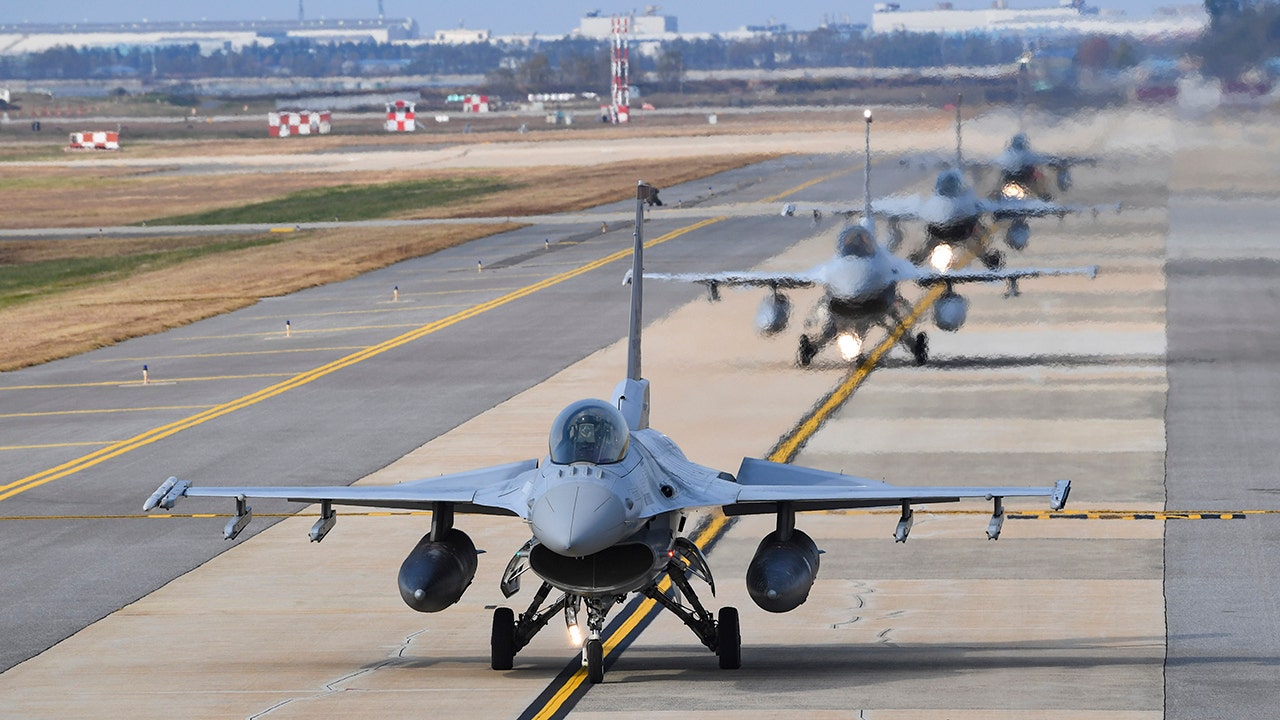
South Korea and Japan scrambled fighter jets after Chinese and Russian military planes were spotted entering their respective air defense zones. South Korea's Joint Chiefs of Staff reported two Chinese and four Russian planes entering its zone, while Japan monitored Chinese and Russian bombers and fighters flying towards the East China Sea. The aircraft did not violate territorial airspace, but the incidents highlight tensions in the region.
South Korea and Japan scrambled fighter jets as two Chinese and four Russian military planes entered South Korea's air defense zone. The planes did not violate South Korea's territorial airspace, but their presence prompted the response. Japan also monitored the joint flights of Chinese and Russian bombers and fighters in the East China Sea. An Air Defense Identification Zone (ADIZ) is an area where countries can demand foreign aircraft to identify themselves, but it is not governed by international laws. Moscow does not recognize Korea's ADIZ, while Beijing argues that it is not territorial airspace.
South Korea scrambled fighter jets as two Chinese and four Russian military planes entered its air defense zone, the Korea Air Defense Identification Zone (KADIZ), in the East Sea. The planes were identified before entering the zone, and there was no invasion of airspace. China's foreign ministry described the incident as routine flight activity, while the United States has expressed concerns about growing military ties between North Korea and Russia. China and Russia's flourishing ties have also raised concerns in the West, particularly regarding Russia's invasion of Ukraine.
South Korea scrambled fighter jets after two Chinese and four Russian military planes entered its Air Defense Identification Zone (ADIZ), but did not violate territorial airspace. The incident comes as China and Russia appear to be strengthening their military cooperation, raising concerns among other nations. The air defense zone, larger than South Korea's airspace, has previously seen similar incidents, with Moscow not recognizing it and Beijing asserting it is not territorial airspace.
South Korea scrambled fighter jets after four Russian and two Chinese military aircraft crossed into its Korea Air Defense Identification Zone (KADIZ) over the Sea of Japan. The planes did not violate South Korea's territorial airspace, but the incident raises concerns about military ties between North Korea and its traditional allies, China and Russia. South Korea raised objections with China but did not address the issue with Russia, as Moscow does not recognize Korea's air defense zone.
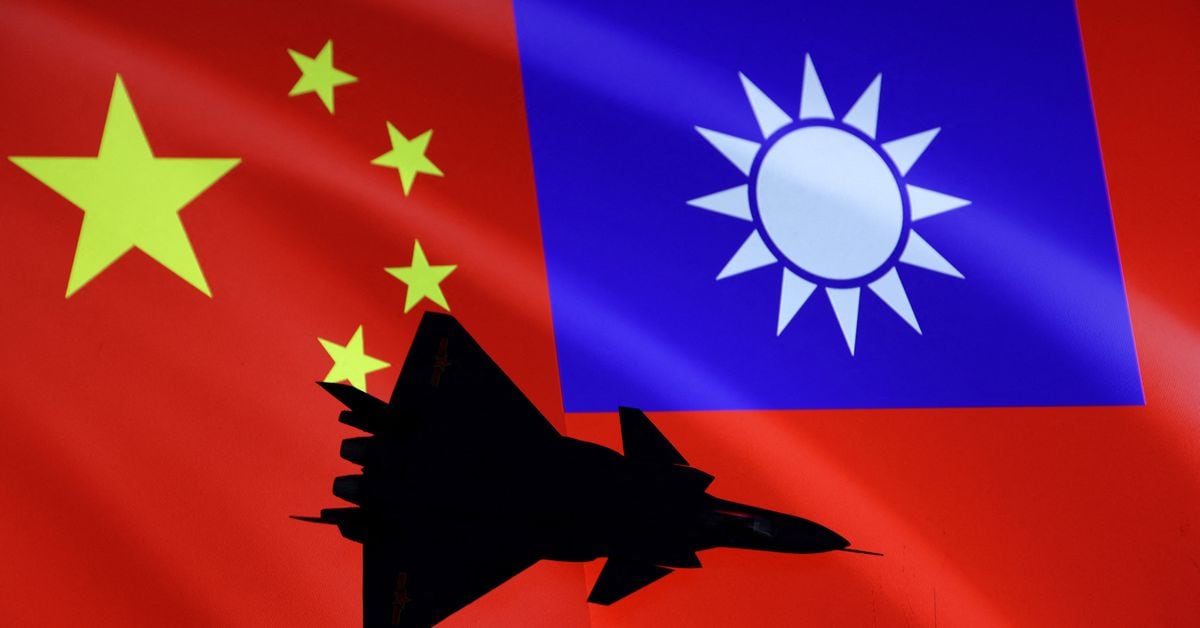
Taiwan's defense ministry reported that 15 Chinese air force planes, including fighter jets and drones, entered Taiwan's air defense zone on Thursday morning. The Chinese aircraft were accompanying warships conducting "combat readiness patrols" and drills. Taiwan, which China claims as its own territory, has consistently raised concerns about Chinese military activity near the island.
Taiwan's defense ministry reported that 40 Chinese air force aircraft entered its air defense zone in the past 24 hours, with some crossing the median line of the Taiwan Strait. The majority of the aircraft flew to the south of Taiwan and into the Bashi Channel.
Taiwan's defense ministry reported that 28 Chinese air force planes, including J-10 fighters, entered its air defense identification zone (ADIZ), with some conducting drills with the Chinese aircraft carrier Shandong in the Pacific. This comes amid increased Chinese military activities near Taiwan, which Beijing considers its own territory. Japan's defense ministry also spotted the Shandong and five accompanying Chinese navy vessels off its southwestern Miyako island. Additionally, over 20 Chinese warships, including Type 055 destroyers, sailed through the Bashi channel and Miyako Strait into the Pacific. These actions are seen as a challenge to recent military activities by the United States and its allies in the region.