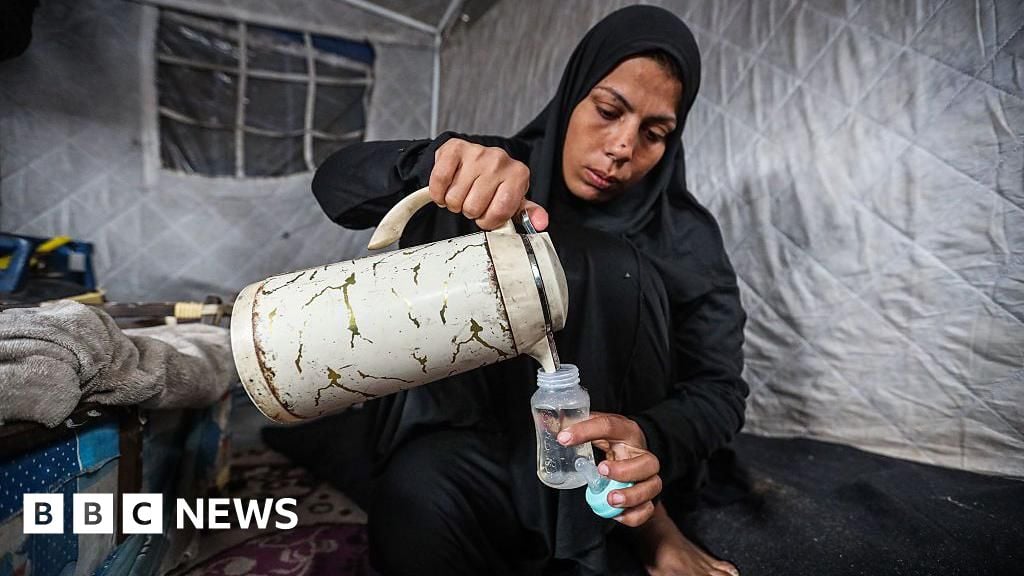
Israel plans to suspend licenses of dozens of aid organizations operating in Gaza, including major groups like Doctors Without Borders, citing security and transparency concerns, which threatens to deepen the humanitarian crisis and undermine a ceasefire agreement that calls for the full entry of aid into Gaza.
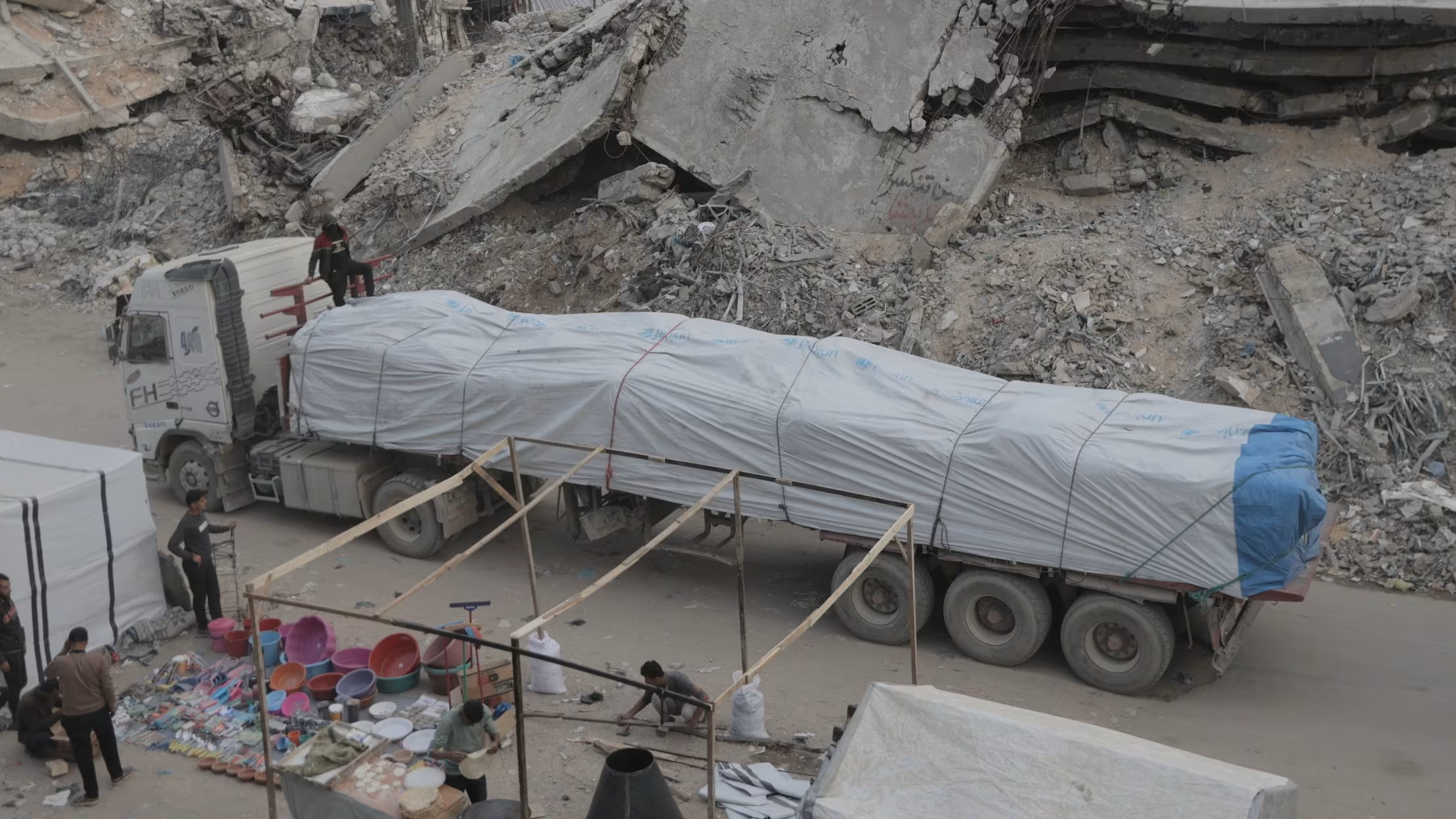
Israel's allies have condemned the country's ban on dozens of aid groups, criticizing it as a move that could impact humanitarian efforts. The article discusses the international reaction and the implications for aid delivery in the region.
Israel plans to revoke licenses of 37 aid organizations operating in Gaza and the West Bank due to non-compliance with new registration rules, citing concerns over security and verification of staff details. The move has faced international criticism for potentially impacting essential humanitarian services amid Gaza's ongoing crisis, with some organizations and countries warning it could severely hinder aid delivery. Israel asserts that aid flow will continue through approved channels and emphasizes the security rationale behind the new measures.
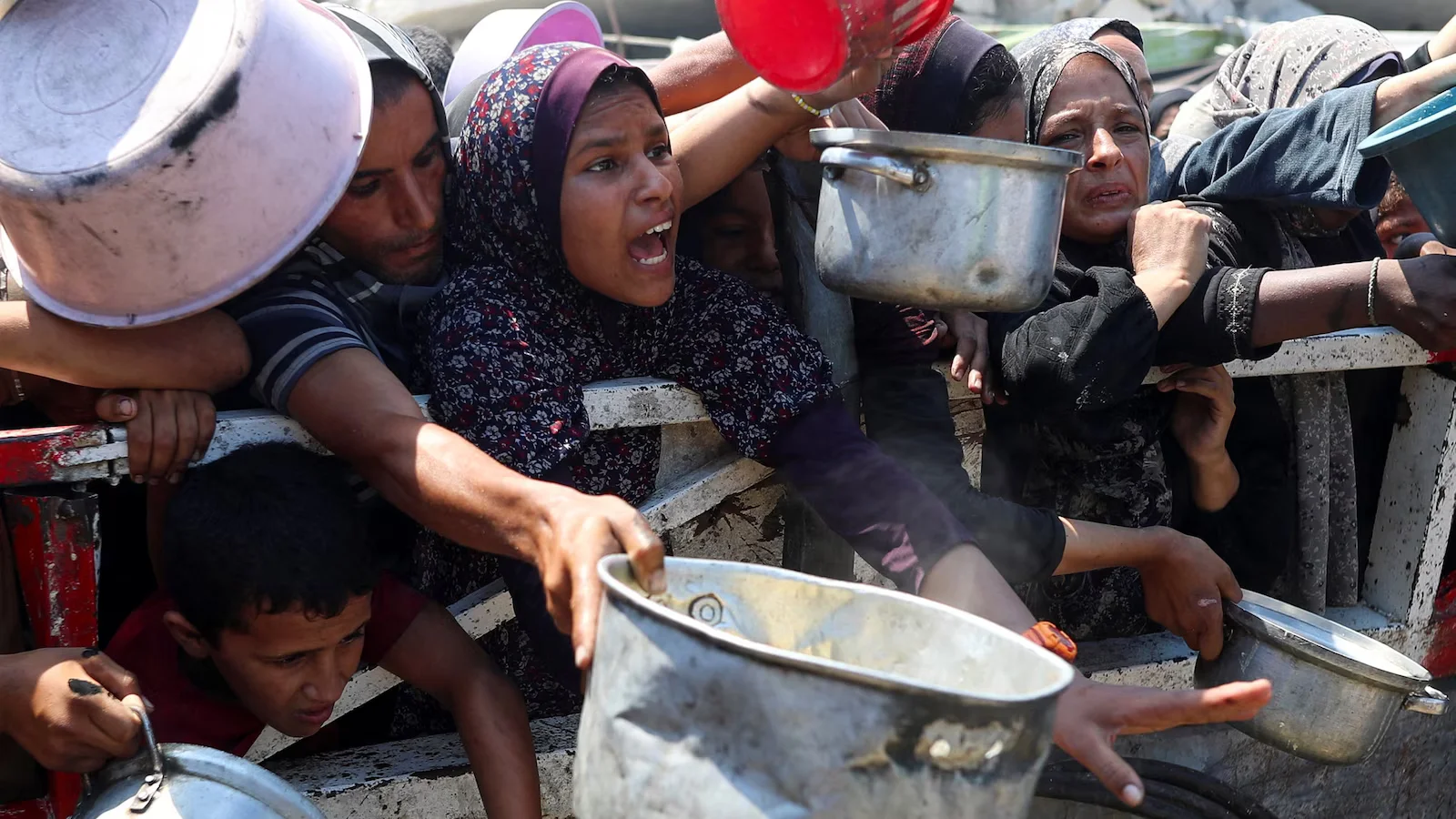
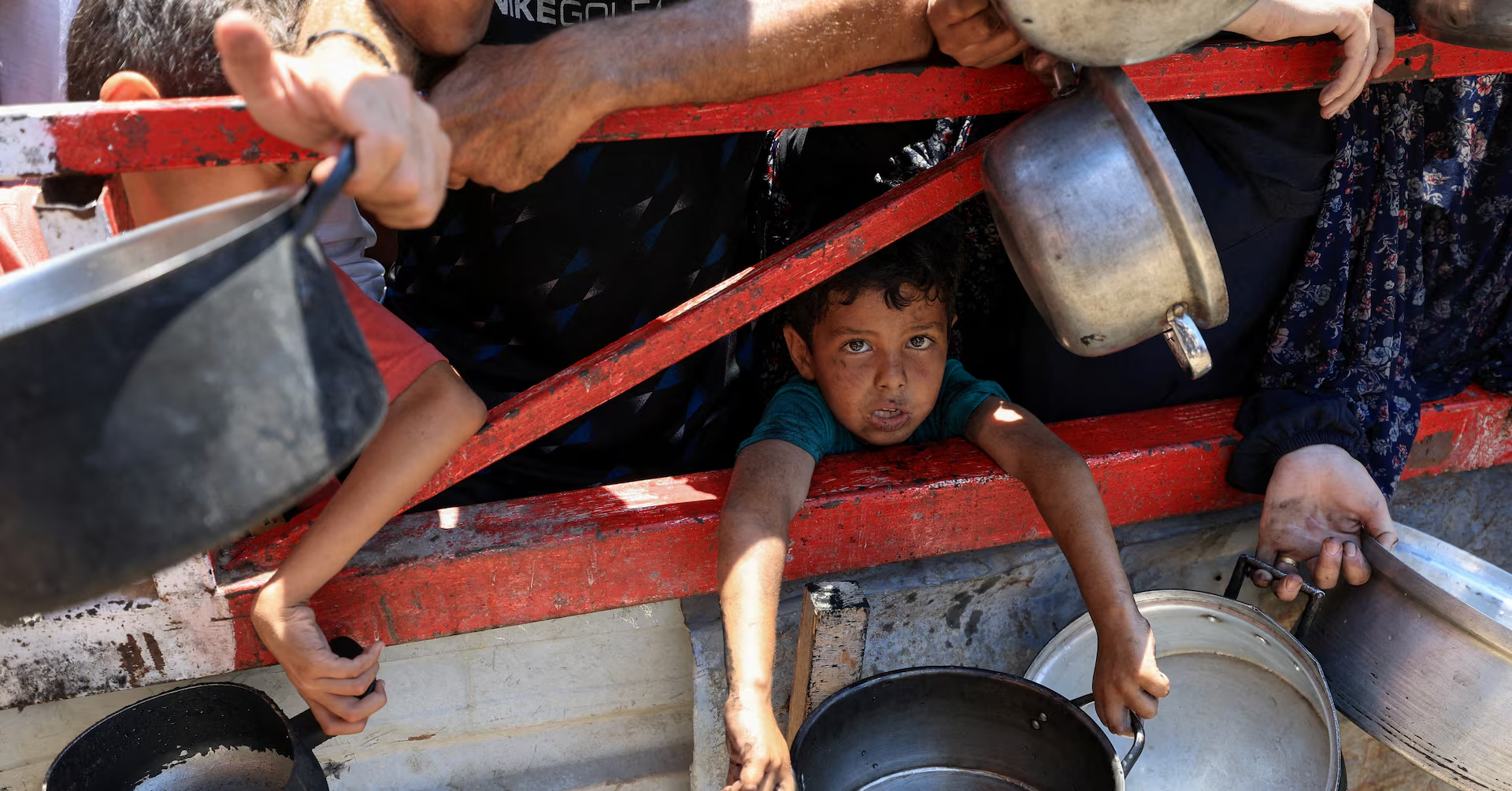
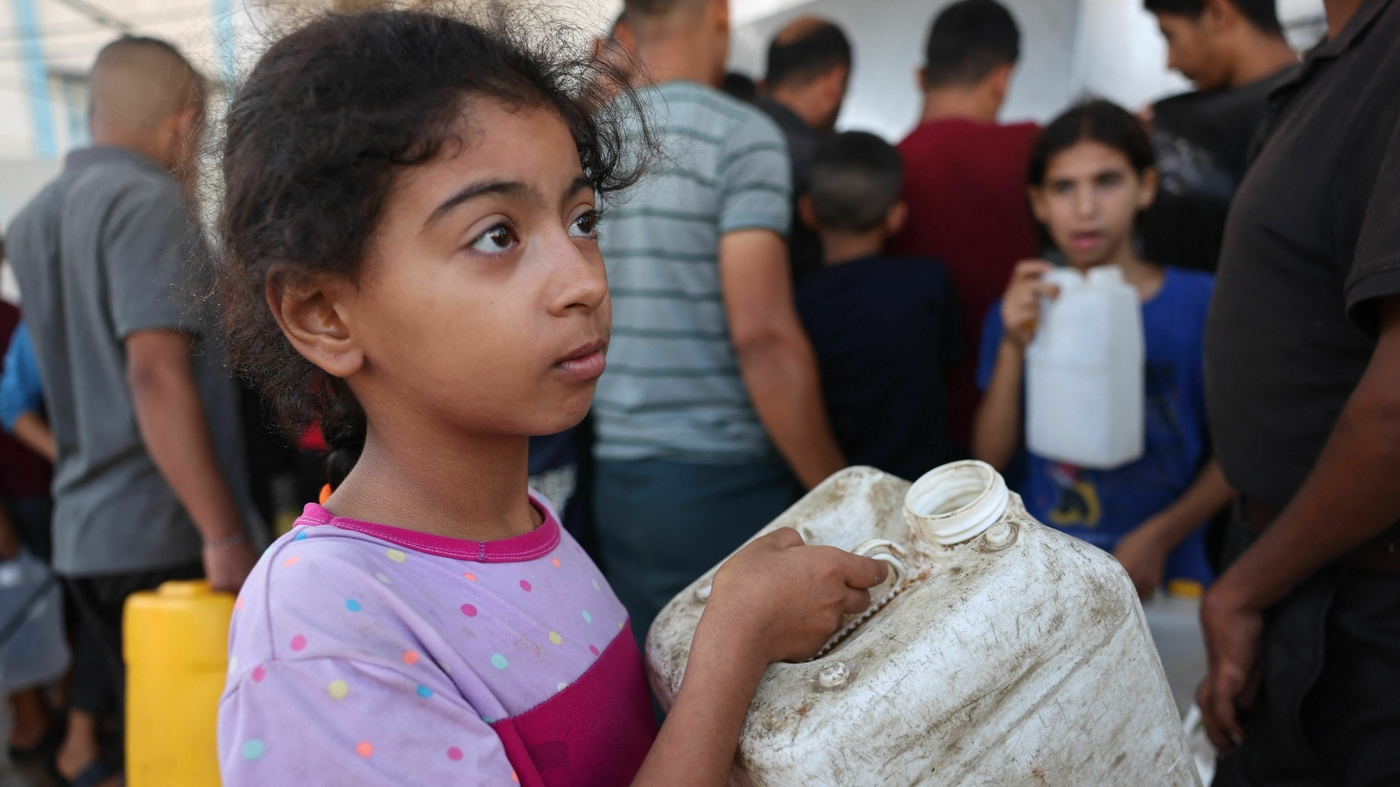
Over 100 aid organizations warn of mass starvation in Gaza due to Israel's siege, with aid workers risking their lives to distribute food amid deadly shootings and severe shortages, while Israel denies famine claims and blames Hamas for the crisis.
Over 100 aid and rights organizations have called for urgent action to address the worsening hunger crisis in Gaza, demanding the lifting of restrictions on aid flow, a ceasefire, and an end to the siege, as food and medical supplies remain inaccessible despite being available outside the territory. Israel denies responsibility for shortages, while the blockade has led to severe food shortages and deaths, including among aid workers and civilians.
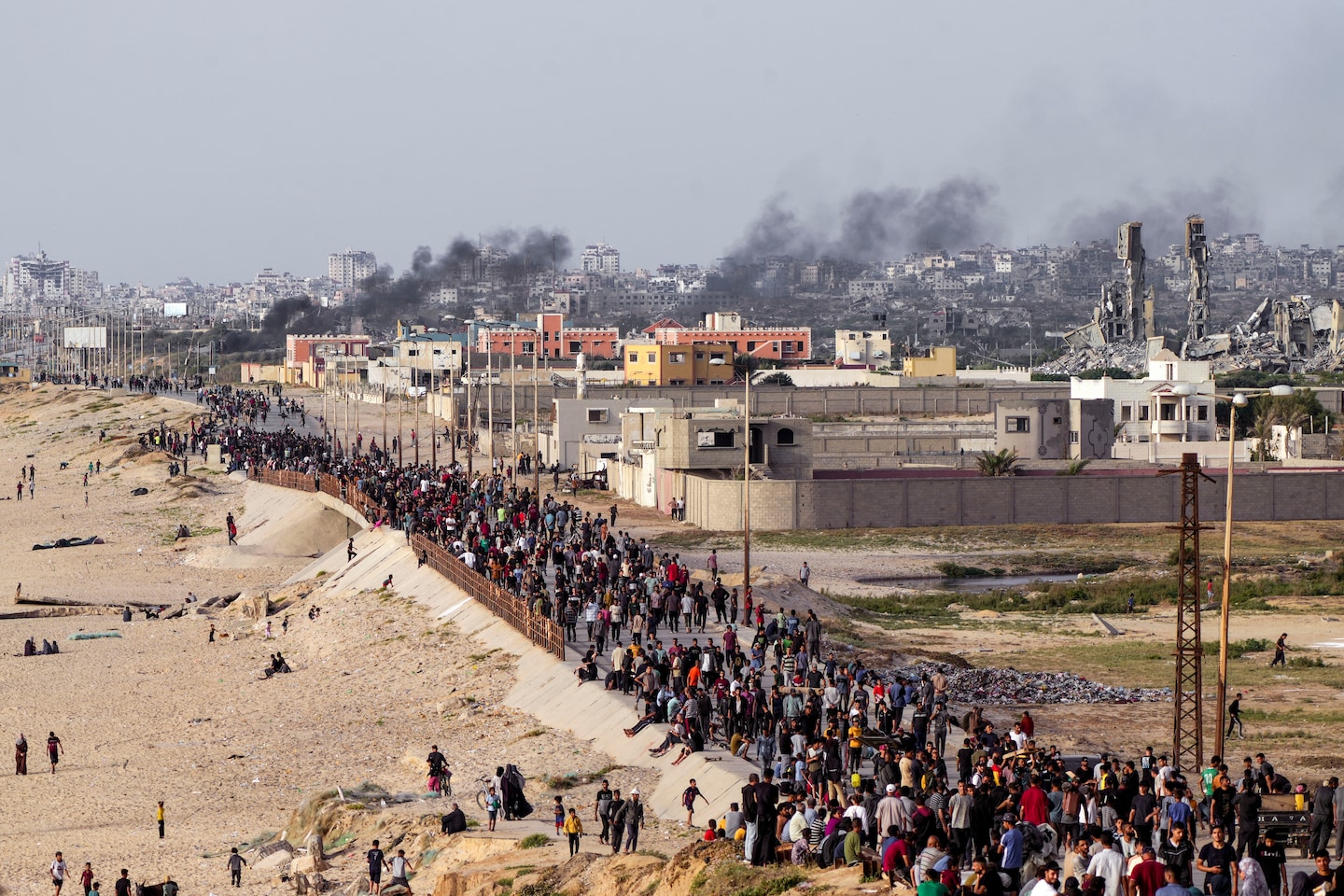
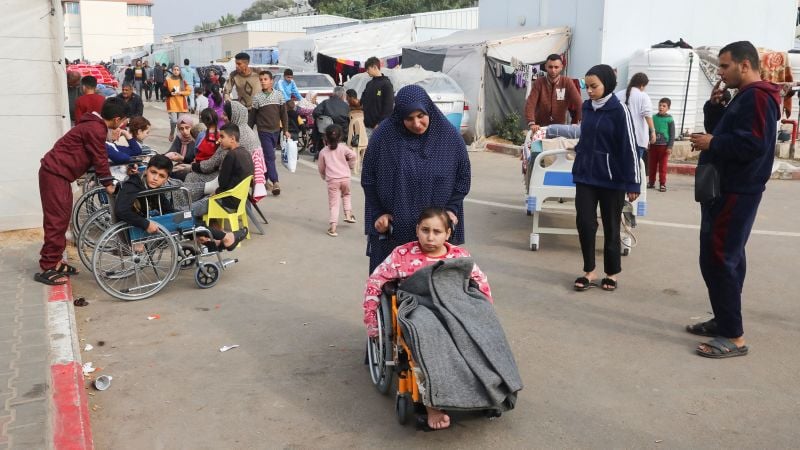
Israeli military operations in Gaza have displaced nearly a million people and worsened the humanitarian crisis, reversing recent progress in delivering aid and combating starvation and disease, according to aid groups and the United Nations.
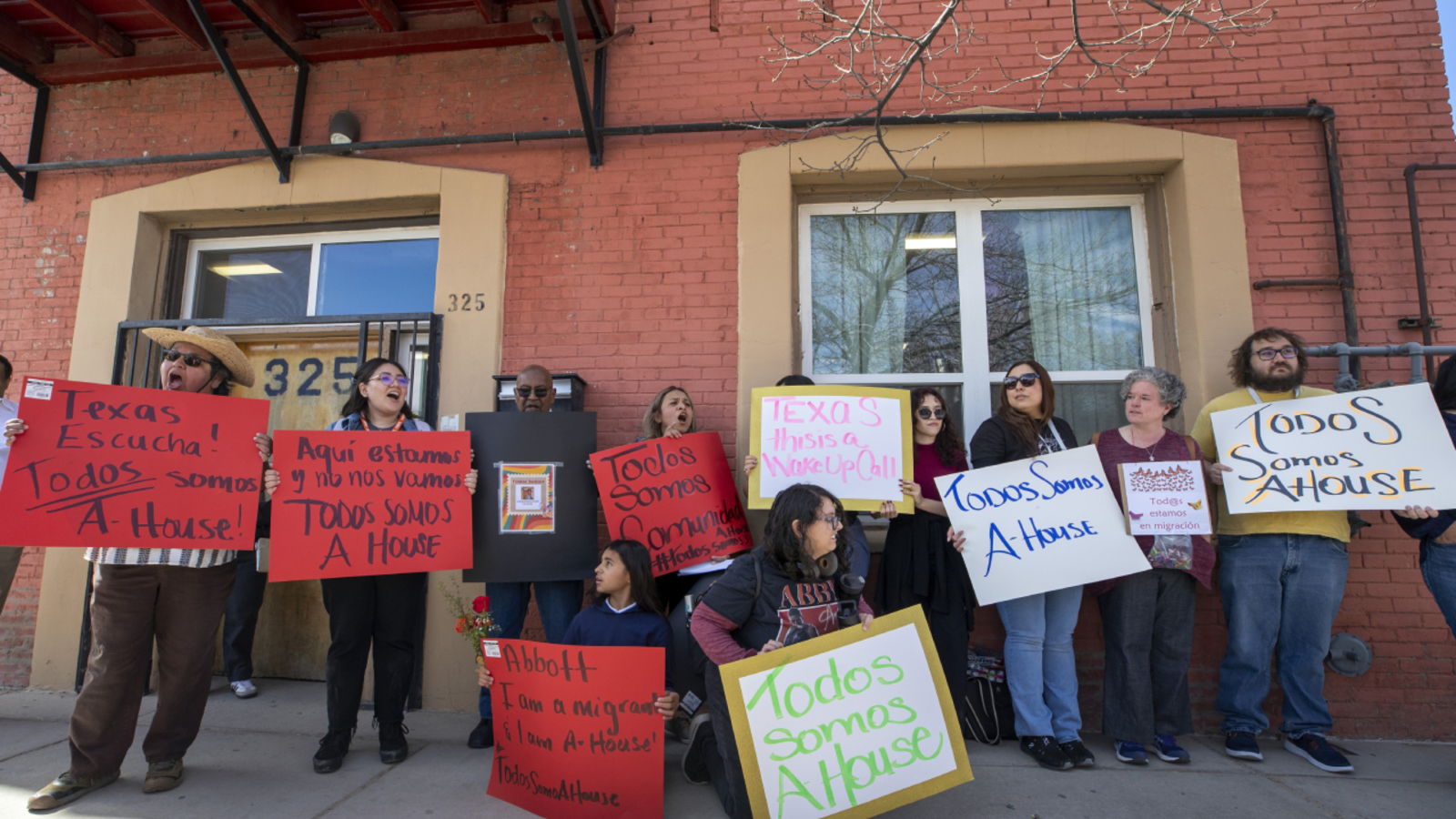
Due to a lack of local funding, hundreds of migrants were released at a San Diego bus stop instead of a reception center, leaving them without essential services. Migrant aid groups scrambled to provide makeshift arrangements for the diverse group of migrants from various countries. San Diego County's funding for migrant aid has run out, forcing migrants to rely on volunteer assistance and facing challenges such as finding transportation and access to facilities. The situation highlights the struggle of border cities to support migrants while balancing local needs, and the need for additional resources and legislative action to address the influx of migrants.
Due to a lack of local funding, hundreds of migrants were released at a San Diego bus stop instead of a reception center, leaving them without basic services. Migrant aid groups scrambled to provide makeshift arrangements, with Border Patrol buses dropping off migrants from various countries. San Diego County's funding for migrant services ran out sooner than expected, forcing migrants to rely on volunteer assistance. The situation highlights the struggle of border cities to support migrants without sacrificing local services, as they face unprecedented influxes of people.
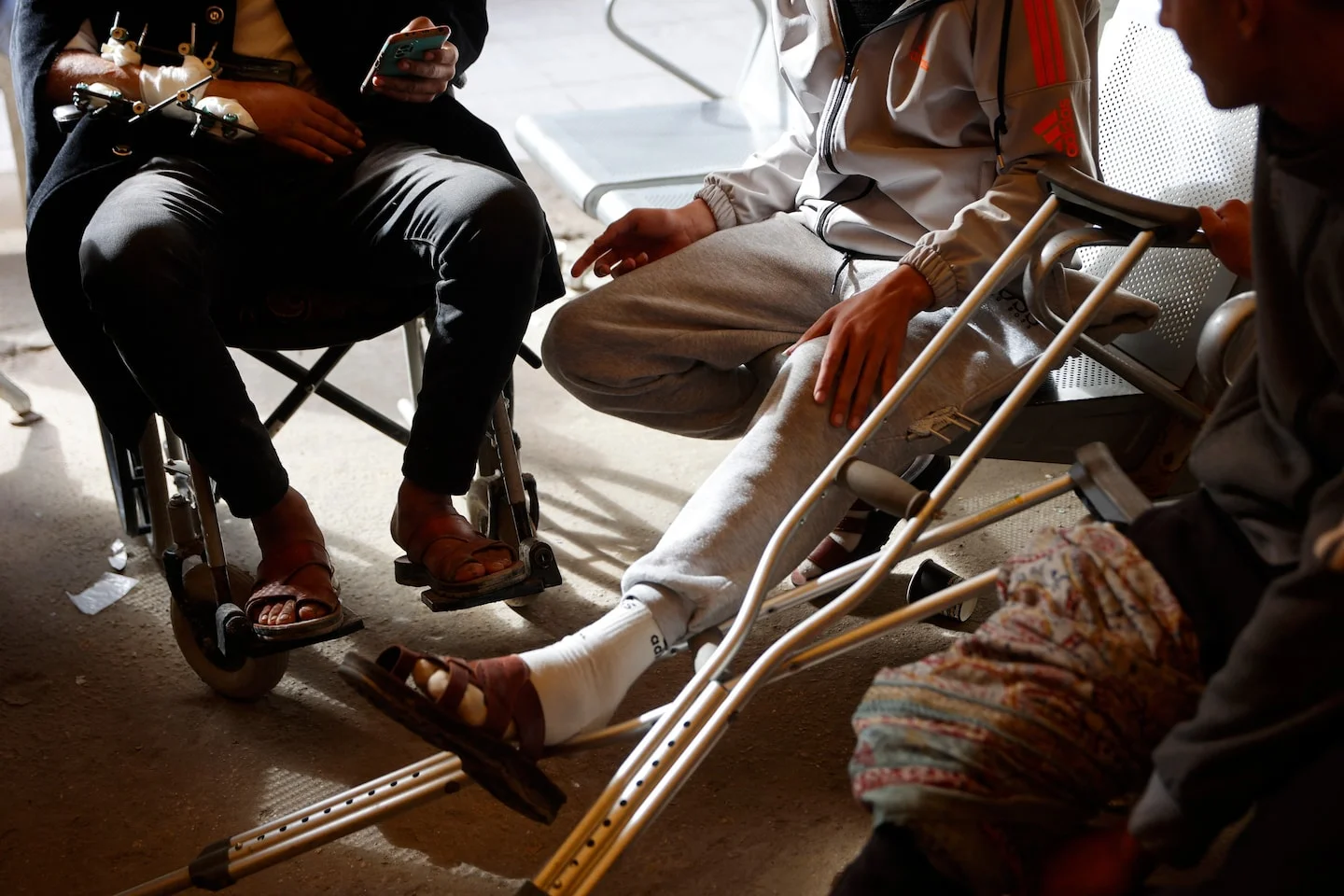
More than 10 children in Gaza are losing their legs every day since October 7, with many amputations performed without anesthesia, as a result of the dire humanitarian situation following Israeli bombardment. Aid groups warn of a health crisis affecting young children, with cases of diarrhea rising 50% in a week and nearly 90% of Gaza's population forcibly displaced. UNICEF also highlights a triple threat to children in Gaza, including malnutrition, disease, and poor hygiene conditions, while the UN's top emergency relief official warns of famine and a public health disaster unfolding in the region.
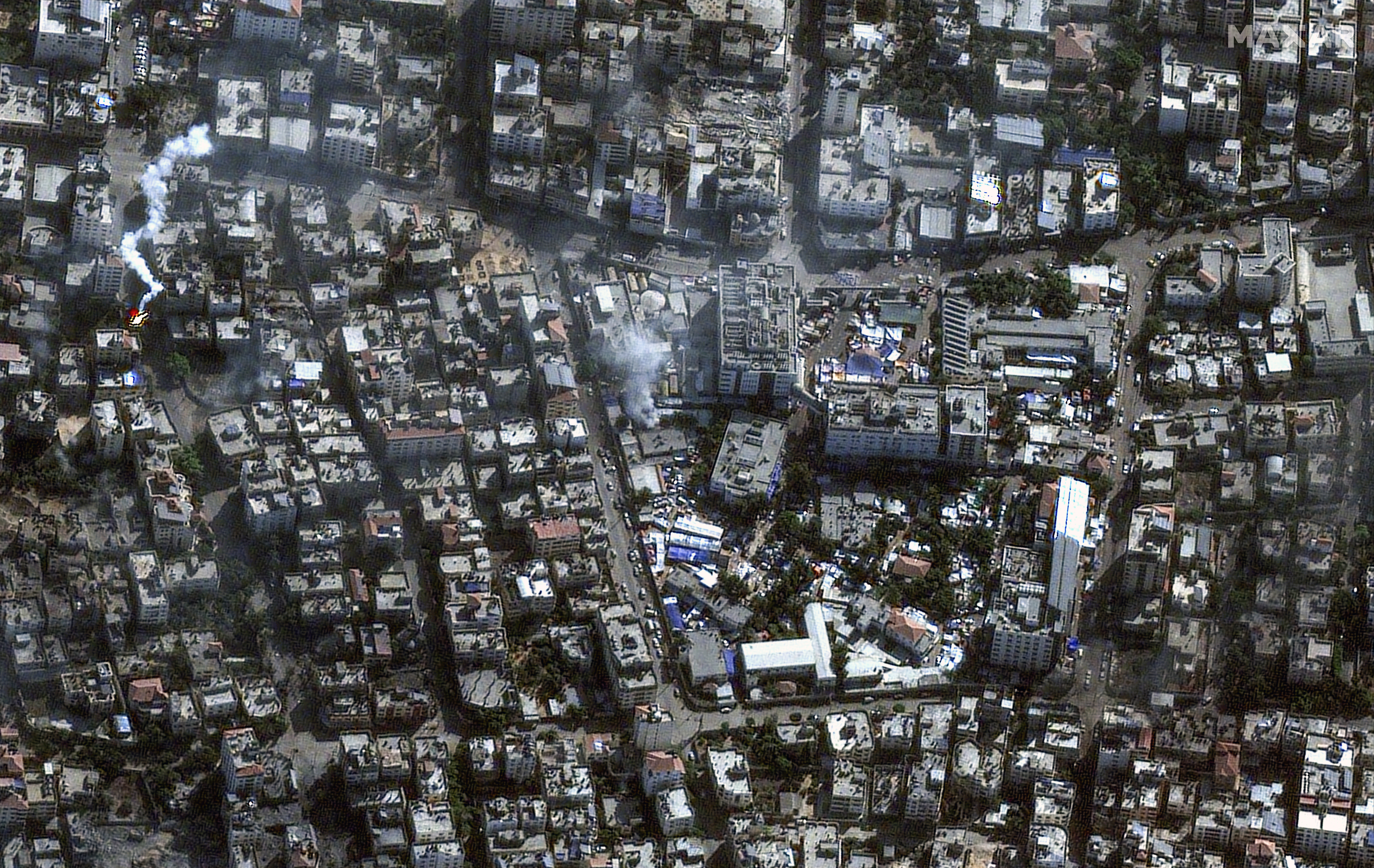
The Biden administration has been providing Israel with the locations of humanitarian groups in Gaza for weeks in an effort to prevent strikes against their facilities. However, Israel has continued to target these sites, including hospitals, leading to the destruction of buildings and the blocking of critical supplies. It is unclear if the U.S. has compiled a formal "no-strike" list, but officials have been transmitting coordinates of aid groups to the Israeli government. The ongoing bombardment of humanitarian facilities raises questions about the effectiveness of U.S. influence over Israel. Aid groups are struggling to provide care to patients, and the U.N. notification system for coordinating humanitarian efforts needs improvement.
Israel has expanded its ground offensive in Gaza with infantry, tanks, and artillery, raising concerns of a sustained incursion. As airstrikes continue, Gaza is facing a near-total internet blackout, hindering aid groups' ability to reach their staff and preventing ambulances from reaching the injured. Reporters have also lost contact with colleagues inside Gaza.
The death toll in Gaza approaches 7,000 as aid groups raise alarm about the critical shortage of fuel. Israel has blocked fuel deliveries over concerns it could be used by Hamas, leaving hospitals, water pumps, and food supplies in a dire state. Aid organizations warn that the lack of fuel is reaching a critical point, with the United Nations agency UNRWA stating it could run out within a day. The World Health Organization calls for immediate and uninterrupted access into Gaza to revive the ailing health system. Israel has escalated its attacks on Gaza, and negotiations for additional aid have stalled. President Biden questions the reported death toll, while humanitarian groups consider it accurate. The situation is worsening, with the potential for a ground invasion and hundreds of hostages and U.S. citizens still stranded in Gaza.
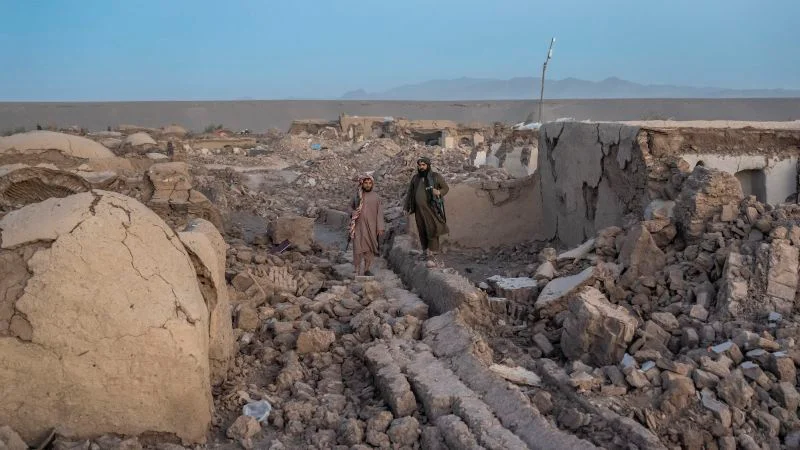
International aid groups are rushing to provide assistance to survivors of a devastating earthquake in Afghanistan, which has left over 2,000 people dead and many more injured. The earthquake, with a magnitude of 6.3, struck the war-torn country's western Herat province, exacerbating an already dire economic crisis. Aid organizations are struggling to meet the urgent needs for medical care, water, food, shelter, and safety. The international community has been called upon to provide more support, as Afghanistan faces ongoing conflict, droughts, and a collapsed economy. UN agencies and partners are coordinating emergency operations and deploying teams to assist with relief efforts.
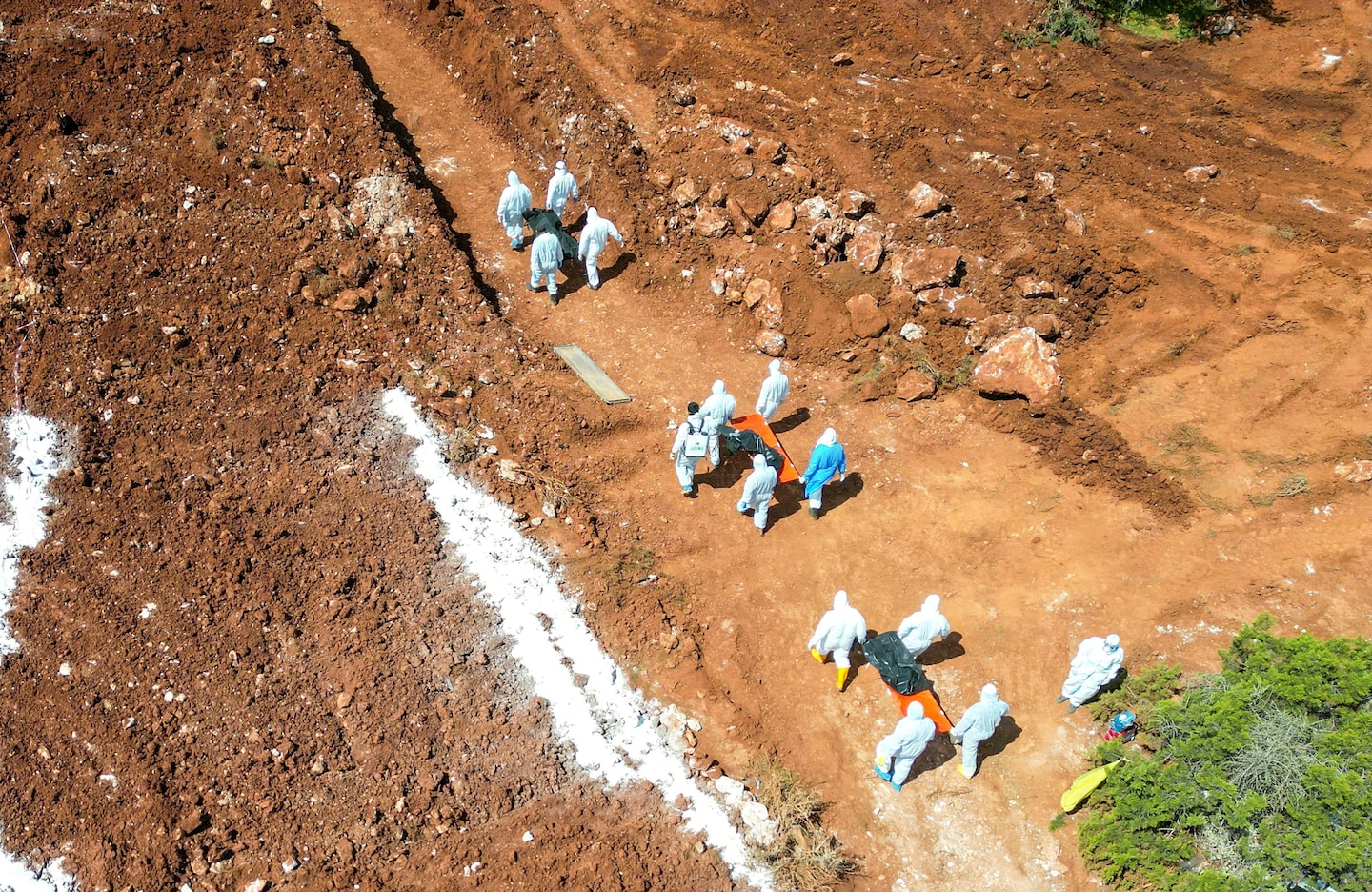
Libyan officials have imposed restrictions on media and aid groups in Derna, following protests over the government's response to devastating floods. Journalists and aid organizations have objected to the demands, expressing confusion and concern over limited access. The UN team was not authorized to proceed to Derna, while some reporters were asked to leave the city. Authorities claim that media personnel were only asked to clear the area to allow rescue teams to carry out their work. There are concerns that authorities may be trying to suppress news of dissent. Derna, controlled by Khalifa Hifter, was severely affected by the floods, with calls for evacuation due to health concerns. Communication in the area has also been disrupted.
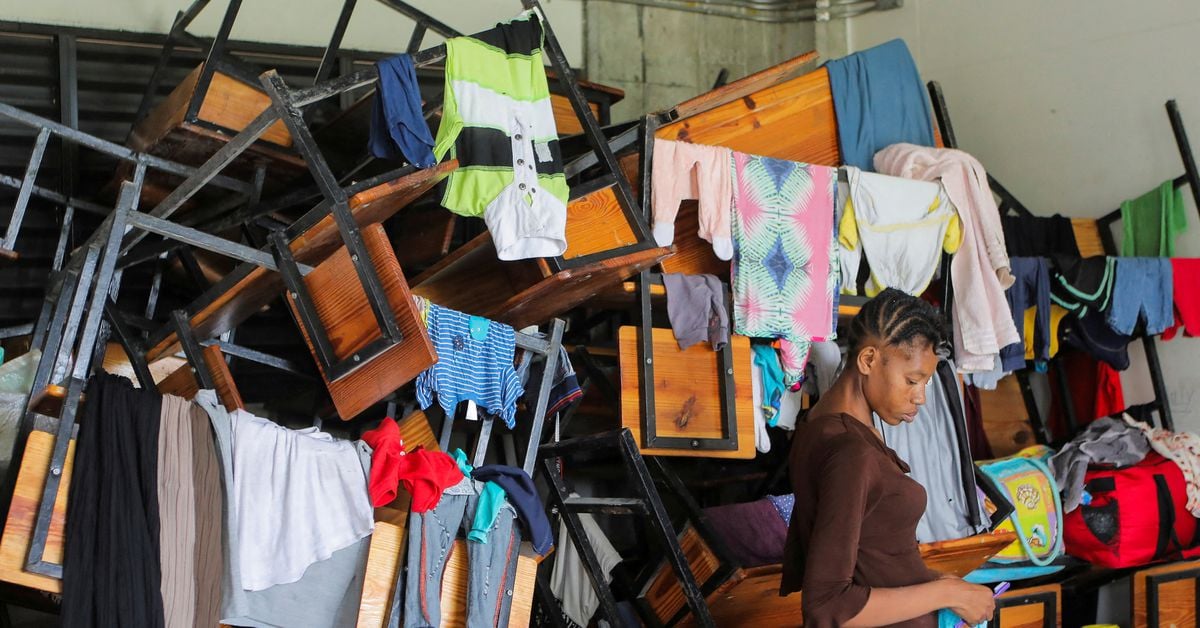
Aid groups supported by the International Rescue Committee (IRC) are suspending operations in Haiti due to escalating violence in Port-au-Prince, forcing thousands to flee gang warfare. The IRC and local organizations provide vital services in affected neighborhoods, but rising costs, dwindling financial aid, and life-threatening conditions have led many aid groups to leave. Haiti's under-gunned police have struggled against heavily armed gangs, resulting in mass displacements, food shortages, murders, kidnappings, and sexual violence. The government has called for foreign security assistance, and a U.N.-backed plan for a multinational security force may be voted on soon. However, roadblocks installed by warring gangs are hindering residents' access to essential services.