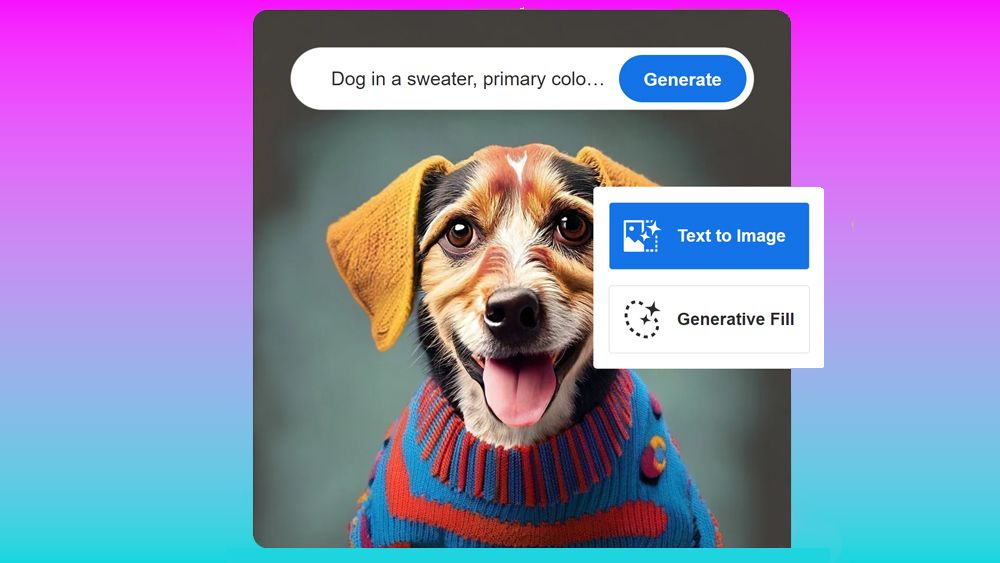
Adobe's Firefly AI, touted for its practicality and ethical training data, has been revealed to have been trained on Midjourney images in addition to public domain material and Adobe Stock, casting doubt on its commercial safety claims and ethical standing.
A federal judge has dismissed most claims in a copyright lawsuit filed by artists against AI art generators, including Midjourney and DeviantArt, over the unauthorized use of billions of images downloaded from the internet to train AI systems. The judge found that the accusations were "defective" and unclear, questioning whether the AI systems contained copies of copyrighted images and if the artists could prove infringement without identical material created by the AI tools. However, a claim against Stability AI for direct infringement was allowed to proceed. The artists will have to establish that their works were used to train the AI system, but the issue remains contested.
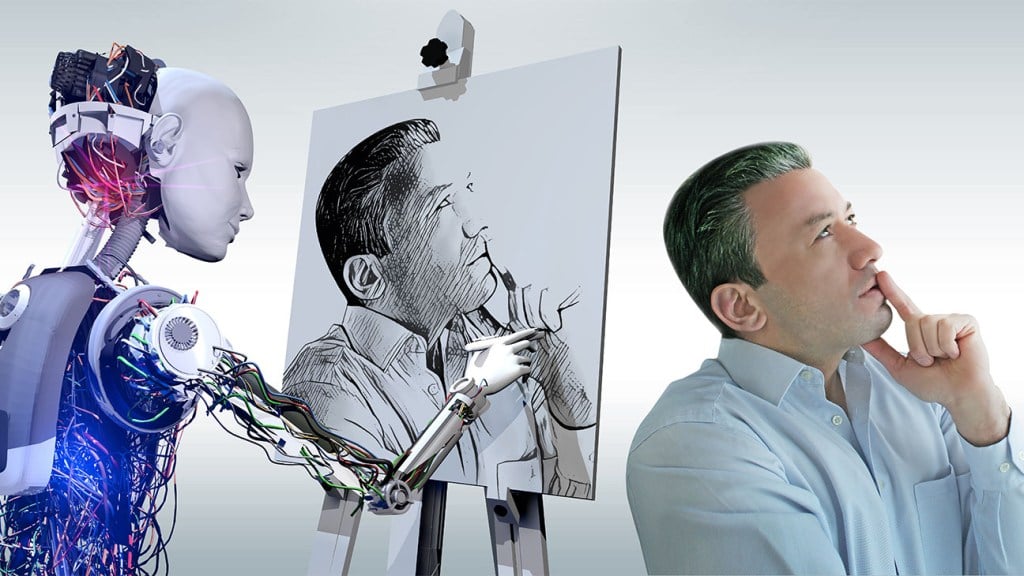
While text AI art generators have gained popularity for their ability to generate images based on text prompts, artist and computer scientist Ahmed Elgammal argues that these tools actually hinder the creative process. Artists often need to write complex prompts to accurately convey their vision, and the process of finding the right keywords to generate the desired output can be time-consuming and frustrating. Additionally, the reliance on language as the main driver of image generation creates a barrier between the artist and the digital canvas, limiting their freedom to manipulate pixels outside the boundaries of semantics. Furthermore, the lack of control over the AI-generated outputs and the potential for similar results among different artists raise concerns about the technology's ability to reflect an artist's unique identity and intentions.