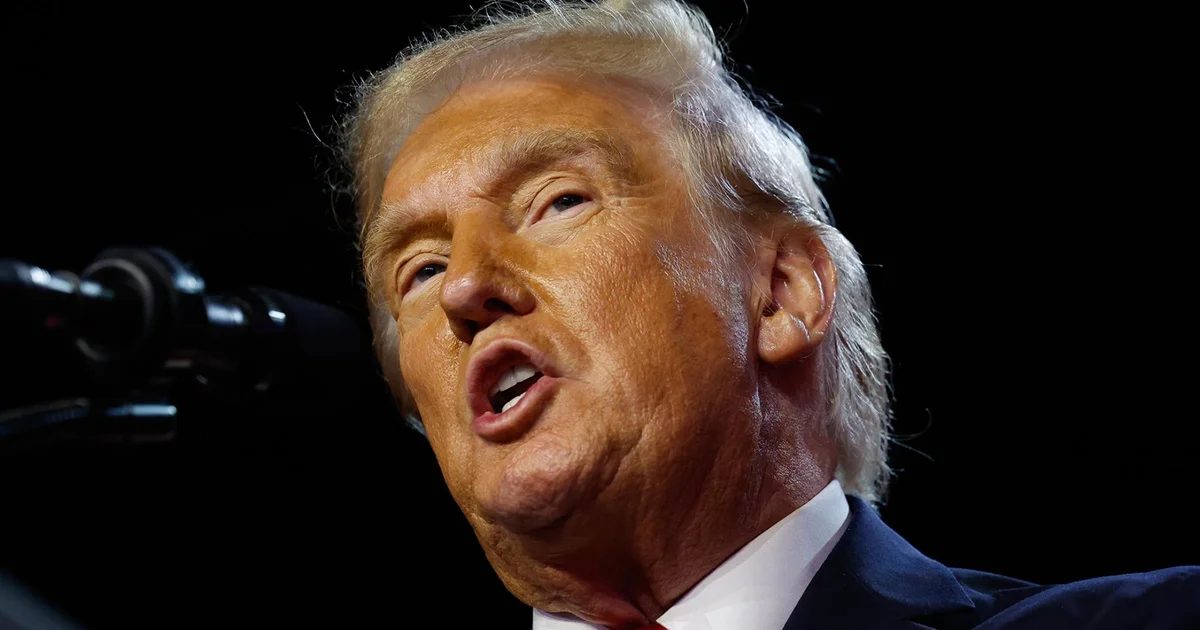
Following Donald Trump's election victory, reactions from U.S. allies and adversaries have been mixed. Some allies expressed hope for continued strong relations, while others voiced concerns over potential policy shifts. Adversaries, on the other hand, are assessing how Trump's presidency might impact their relations with the U.S.
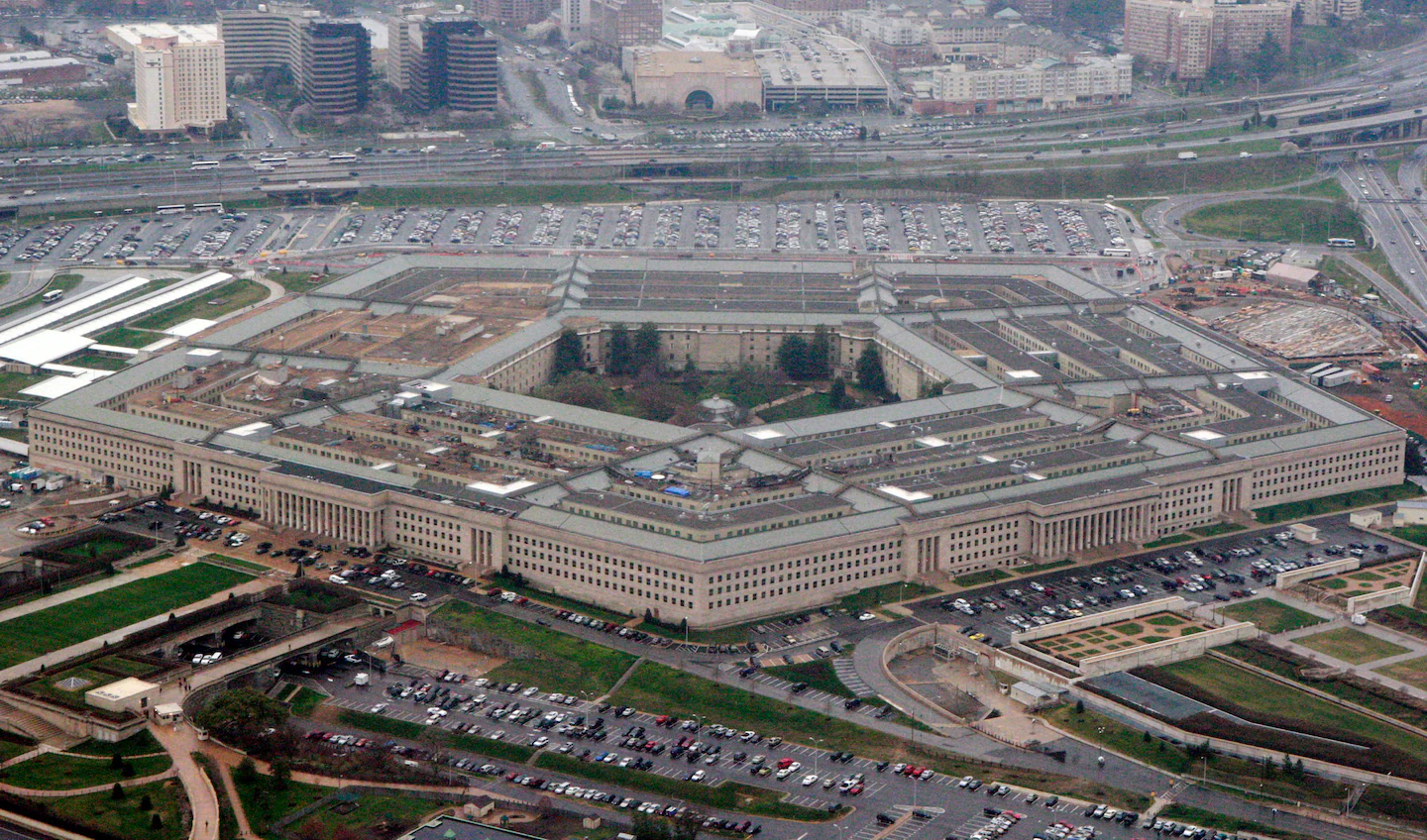
Lt. Gen. Richard G. Moore Jr., the Air Force's deputy chief of staff for plans and programs, stated that the U.S. military's approach to artificial intelligence (AI) is more ethical than that of its adversaries because the country is a "Judeo-Christian society." However, experts argue that resolving the ethical dilemmas posed by AI requires input from individuals of various religious and ethical backgrounds. The Department of Defense has been actively discussing AI ethics, and while the U.S. is not the sole authority on the matter, its adversaries are unlikely to share the same values. The U.S. government is currently working on guidelines for the responsible use of AI in warfare, while China's approach to AI ethics is influenced by Marxism, Leninism, and the Communist Party's control.
A purported leaked CIA document reveals that Hungary sees the United States as one of its top three adversaries, alongside Russia and China, due to its criticism of Hungary's domestic policies and its support for Ukraine. The Hungarian government has not commented on the authenticity of the document.