
Tag

Acs3

All articles tagged with #acs3

space-technology1 year ago

"Rocket Lab Set to Launch NASA's Advanced Solar Sail Technology"

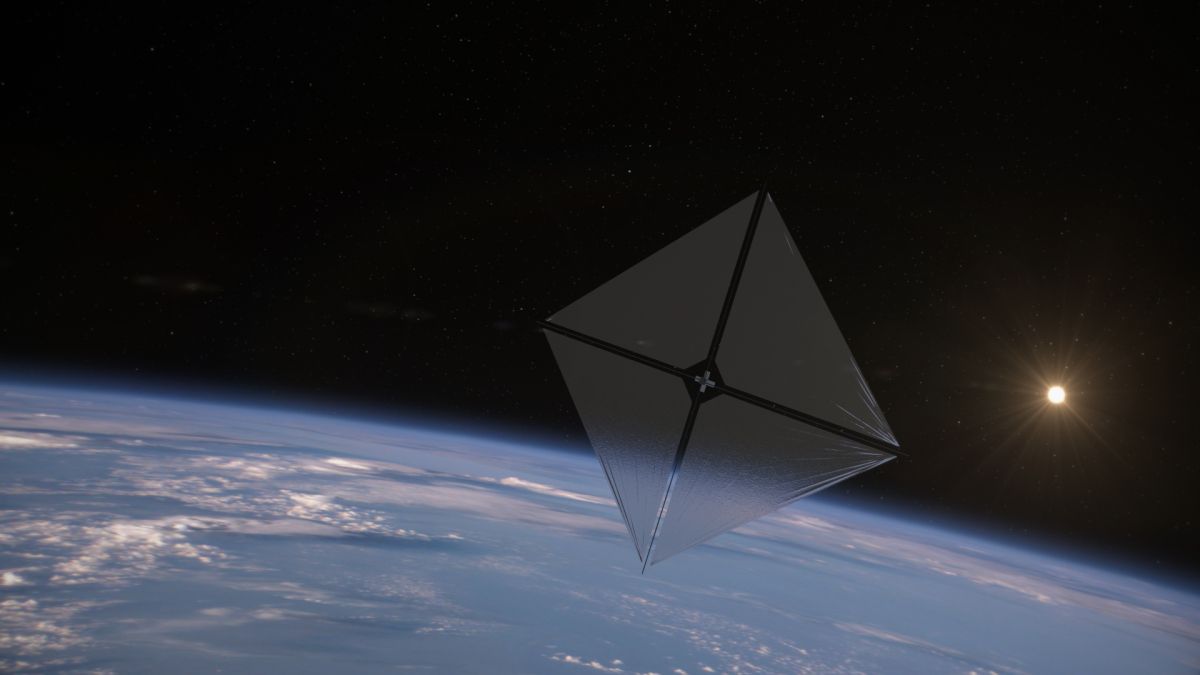
NASA's upcoming ACS3 solar sail mission, aimed at testing new space travel materials in Earth's orbit, is set to launch no earlier than April 24. The mission will test the deployment of solar sails using new composite booms, which are tube-shaped materials meant to unfurl and hold four very thin triangular sheets tautly. Scheduled to launch onboard Rocket Lab's Electron rocket from New Zealand, the spacecraft will test changing its orbit via the solar sail, potentially offering useful data for future missions. If successful, the solar sail will measure about 860 square feet and could sparkle as brightly as the brightest star in the night sky.

space-exploration1 year ago

"NASA's Next-Gen Solar Sail: A Futuristic Breakthrough in Space Travel"

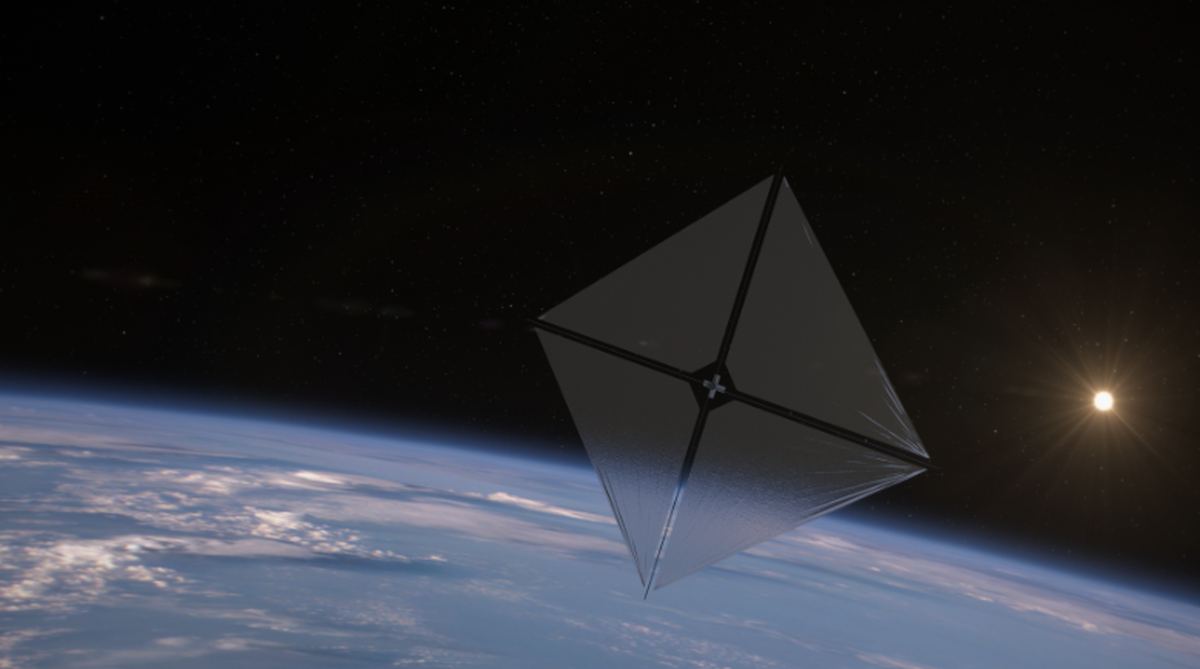
NASA is preparing to launch its next-generation solar sail spacecraft, the Advanced Composite Solar Sail System (ACS3), which aims to demonstrate a more effective solar sail design using lightweight carbon fiber and flexible polymers for booms. The spacecraft will be deployed from a CubeSat and will head for a Sun-synchronous orbit 1,000 km above Earth, where it will unfurl its sail with a photon-gathering area of 80 square meters. If successful, this technology could revolutionize space propulsion and enable long-duration missions using the Sun's abundant energy.

space-exploration1 year ago

"NASA's Upcoming Solar Sail Mission Set to Harness Sun's Power in Space"

NASA is set to launch a new solar sail spacecraft, ACS3, with a more effective design that utilizes solar wind for propulsion. The spacecraft aims to demonstrate the deployment of lightweight carbon fiber and polymer booms, which could support sails as large as 2,000 square meters. If successful, this technology could revolutionize space exploration by providing a limitless source of propulsion and enabling unique scientific missions, such as studying the Sun and serving as early warning systems for solar hazards.