Jerry Seinfeld Criticizes 'Free Palestine' Movement as Similar to KKK
The article explains a human verification process used to confirm users are not bots, helping to protect accounts and prevent spam.

All articles tagged with #account protection
The article explains a human verification process used to confirm users are not bots, helping to protect accounts and prevent spam.
Google warns of increasing Gmail account hacks and phishing scams, urging users to avoid clicking links in suspicious emails, use secure account recovery methods, and add passkeys and two-factor authentication to protect their accounts from hijacking.
Google warns of increasing Gmail hacking attempts where attackers use fake security alerts and phishing emails to steal user credentials. Users are advised to avoid clicking links in suspicious emails, instead checking security events directly through their Google Account settings, and to enhance security with passkeys and multi-factor authentication. Recent scams include fake voicemail notifications designed to exfiltrate login data, emphasizing the need for vigilance and secure account practices.
Google warns 2.5 billion Gmail users of a hybrid attack involving phone calls and email scams impersonating Google support to hijack accounts. Users are advised to verify security alerts, use Google Security Checkup, enroll in the Advanced Protection Program, and adopt security keys to prevent account takeovers amid increasing cyber threats.
Google warns users of a surge in attacks on Gmail accounts, urging all to switch from passwords to passkeys for enhanced security, and announces new security features and transparency initiatives to combat credential theft and reduce vulnerability lifecycles.
Google is implementing a mandatory security update for nearly all Gmail users, requiring activation of 2-Step Verification to enhance account security and prevent hacking, with warnings and deadlines issued to ensure compliance; ignoring these updates could result in losing access to your account and associated services.
Google has confirmed a rise in sophisticated phishing attacks targeting Gmail users, using legitimate-looking emails and websites to steal credentials. Users are advised to never respond to calls or emails claiming to be from Google about account issues, and to enhance security by using two-factor authentication and passkeys. The key is to remain vigilant and avoid clicking on suspicious links or providing personal information through unverified channels.

A database leak exposed 184 million passwords linked to major platforms like Google, Facebook, and Instagram, along with sensitive data from financial and government accounts. Users are advised to change passwords, use password managers, enable two-factor authentication, and stay vigilant against phishing to mitigate potential damage. Although the database has been taken down, the risk persists for those affected.

Google provides a 60-second security check to help users identify if their account has been compromised. By visiting google.com/devices, users can see a list of devices that have accessed their account within the last 28 days. If any unfamiliar devices are detected, users can sign them out remotely. Additionally, users are advised to change their password and review their Google Timeline to ensure their account's security and privacy.
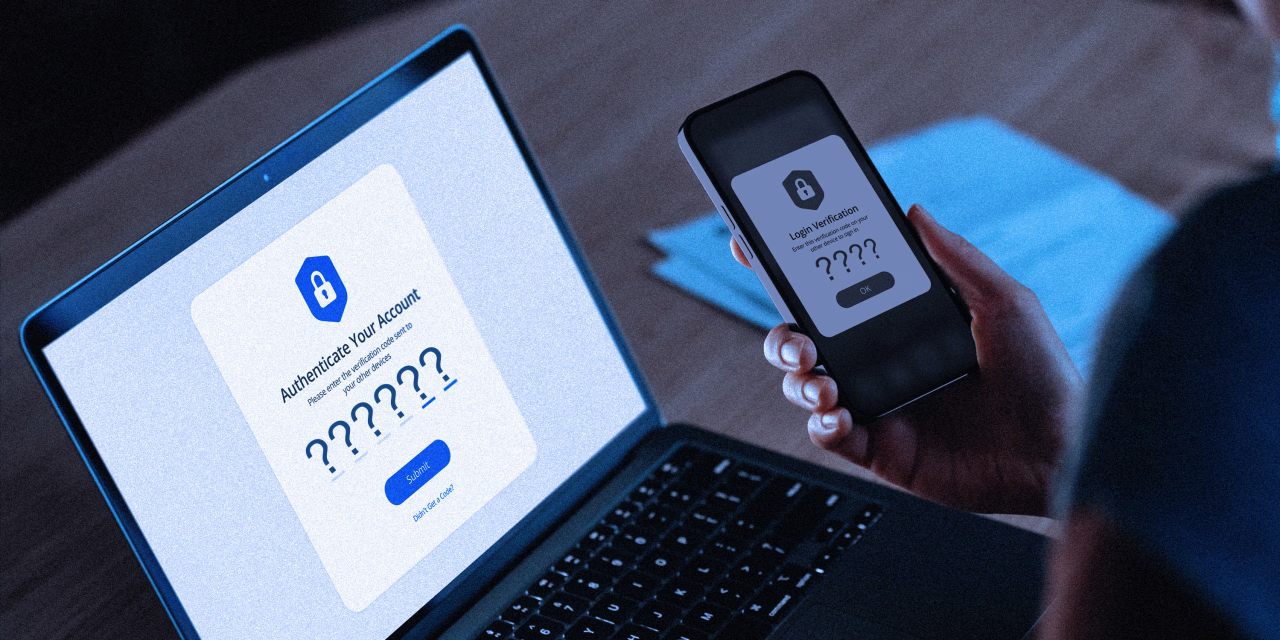
The Wall Street Journal advises readers to set up two-factor authentication (2FA) to prevent being locked out of their accounts and enhance online security. 2FA adds an extra layer of protection by requiring users to provide a second form of verification, such as a code sent to their mobile device, in addition to their password. This helps safeguard against unauthorized access and reduces the risk of identity theft or data breaches.

WhatsApp has announced new account security features that will be added to the app in the coming months, including account protection, device verification, and automatic security codes. These features will prevent unauthorized access to accounts and protect against mobile device malware. Users will be required to verify their account from their old device before transferring it to a new device. The features will be released on both Android and iOS and will be available for some beta testers soon.
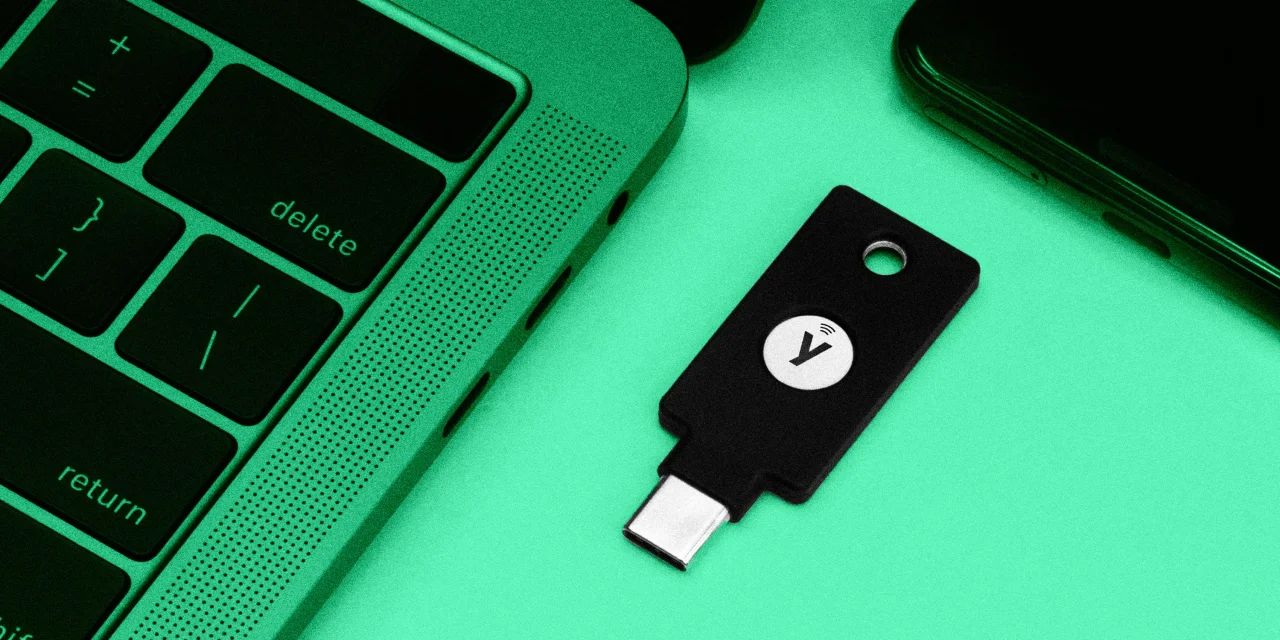
Strong passwords are not enough to protect online accounts from cybercriminals. Two-factor authentication (2FA) is a strong secondary measure that provides an extra layer of security by requiring a single-use code. This article emphasizes the importance of 2FA in protecting online accounts from cybercrime.