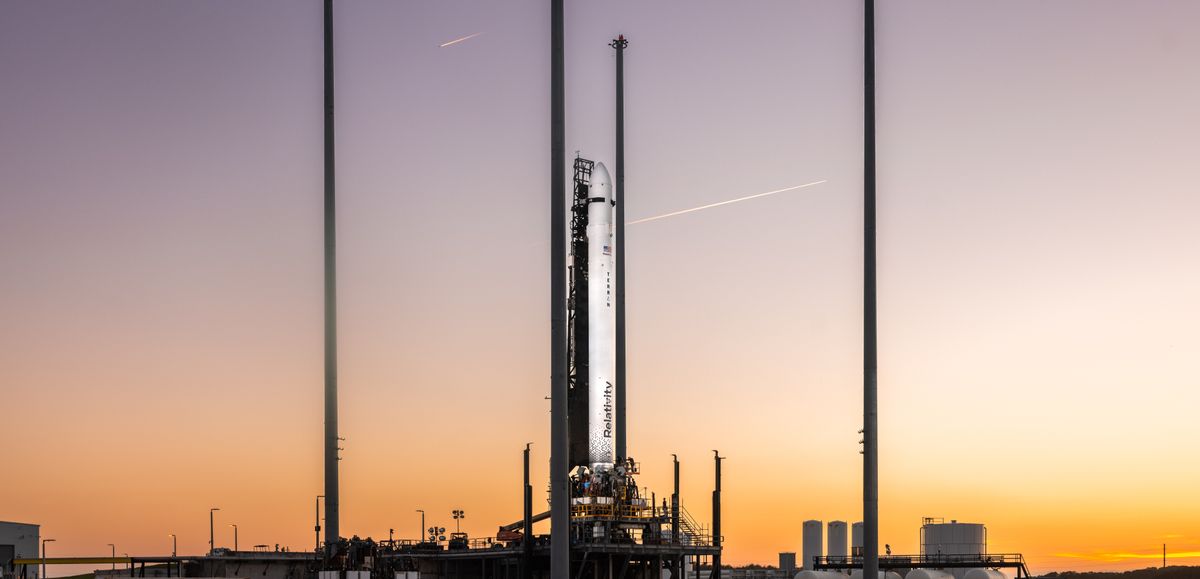
Relativity Space successfully launched its 3D-printed rocket, Terran 1, but failed to reach orbit due to a second stage engine ignition issue. The rocket wasn't carrying a customer payload, but instead carried the first metal produced from Relativity's 3D printing system. The company still considers the mission an accomplishment as the rocket endured Max-Q. Relativity aims to demonstrate the viability of its 3D printing technique ahead of the reusable Terran R rocket's planned 2024 launch. However, there is mounting pressure to complete testing as competitors like SpaceX, Blue Origin, and Rocket Lab continue to advance.
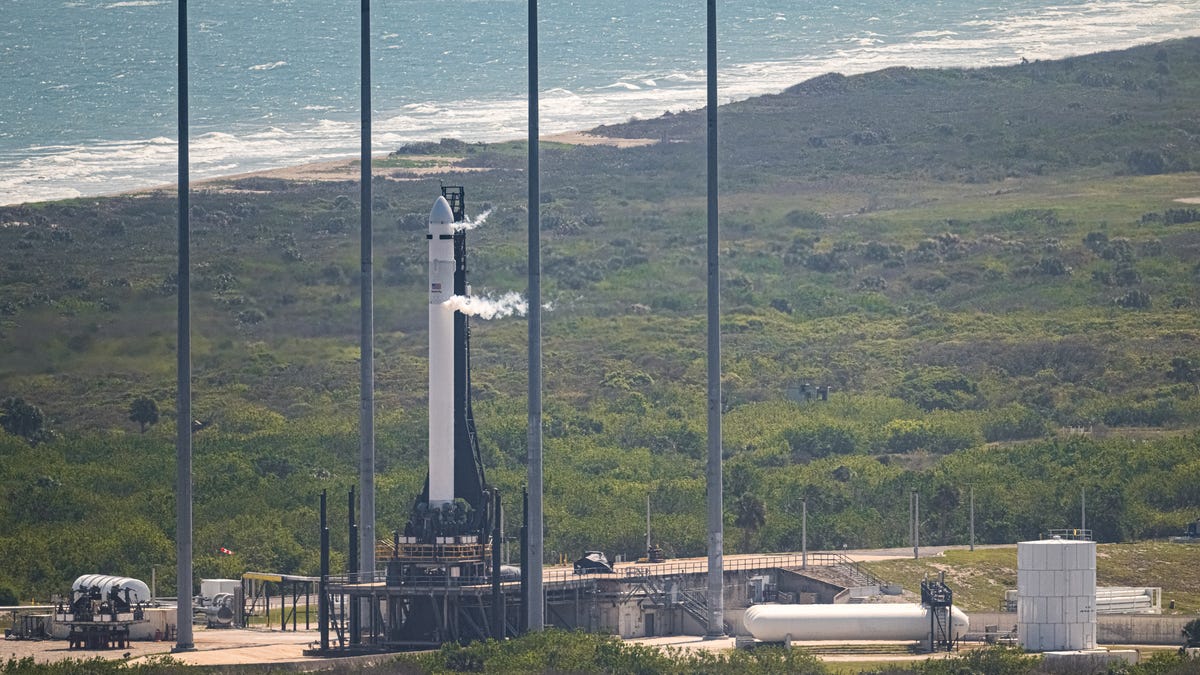
Relativity Space is set to launch its 3D-printed Terran 1 rocket, flying without a customer payload, from Cape Canaveral Space Force Station in Florida during a three-hour window that opens at 10 p.m. EDT on March 22. The rocket will fly an eastern trajectory over the Atlantic Ocean before separating from its second stage, which will then fire and attempt to achieve Earth orbit. If successful, this will mark the first 3D-printed rocket launch and the first time a methane-powered vehicle launches from Cape Canaveral.
Relativity Space is set to launch its Terran 1, the world's first 3D-printed rocket, from Florida's Cape Canaveral Space Force Station tonight. The rocket is designed to haul up to 2,756 pounds to low Earth orbit and uses liquid methane as a fuel and liquid oxygen as an oxidizer. The launch will be the third attempt after previous attempts were scrubbed due to fuel-temperature issues and weather and range safety delays. The Terran 1 is a test flight for Relativity Space, which was founded in 2016 and plans to use the data to inform the development of its next launch vehicle, the reusable Terran R.
Relativity Space will attempt to launch its 3D-printed Terran 1 rocket from Cape Canaveral for the third time on Wednesday night, with a 95% chance of favorable weather conditions. The rocket is designed to carry more than a ton of cargo into low Earth orbit and is aimed at the commercial launch market for small to mid-sized satellites. The test flight, nicknamed "Good Luck, Have Fun," won't carry any customer satellites but will attempt to fly into a 124-mile-high orbit about eight minutes after liftoff.