
Revisiting the 1918 Flu: Challenging Long-Held Beliefs
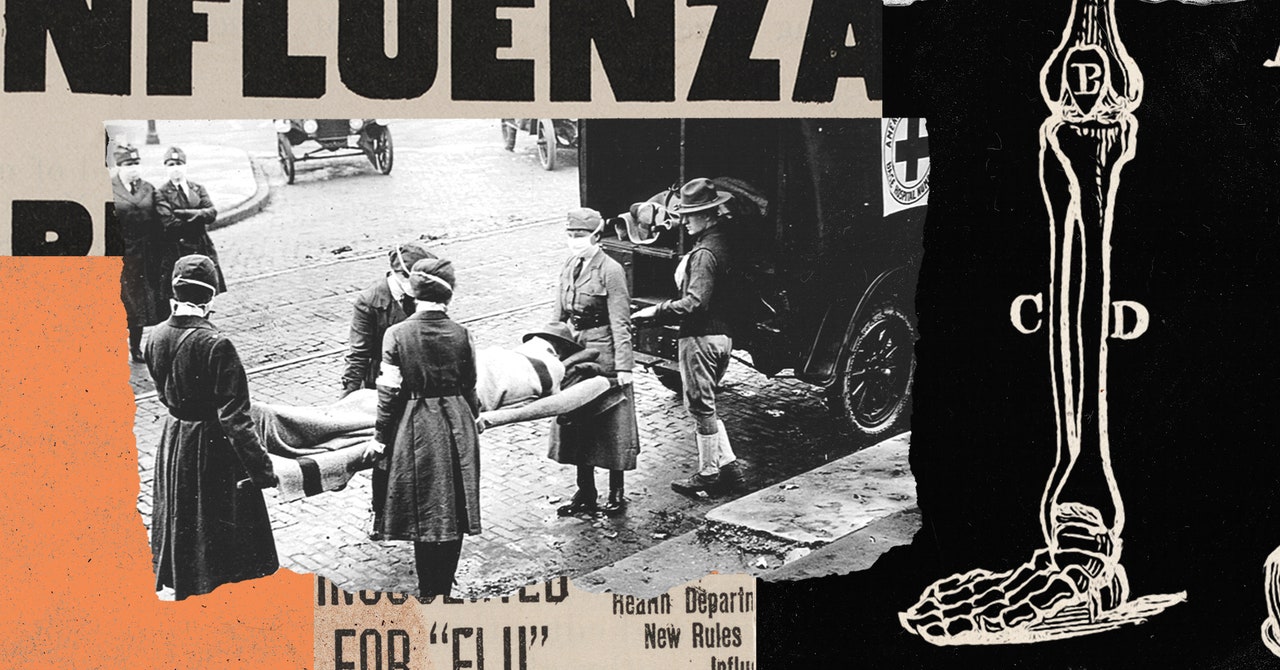
An analysis of skeletons from people who died during the 1918 flu pandemic challenges the prevailing narrative that the virus disproportionately killed young and healthy individuals. The study, based on over 3,000 skeletons from the Hamann-Todd Human Osteological Collection, found that individuals with underlying frailty, such as from other infections or malnutrition, were 2.7 times more likely to die during the pandemic. While the 1918 flu did affect people of all ages and health statuses, the research highlights the importance of addressing social determinants of health and protecting vulnerable populations in future epidemics.