
Breaking the Cycle: Tackling Ghana's Debt Crisis and Bailouts
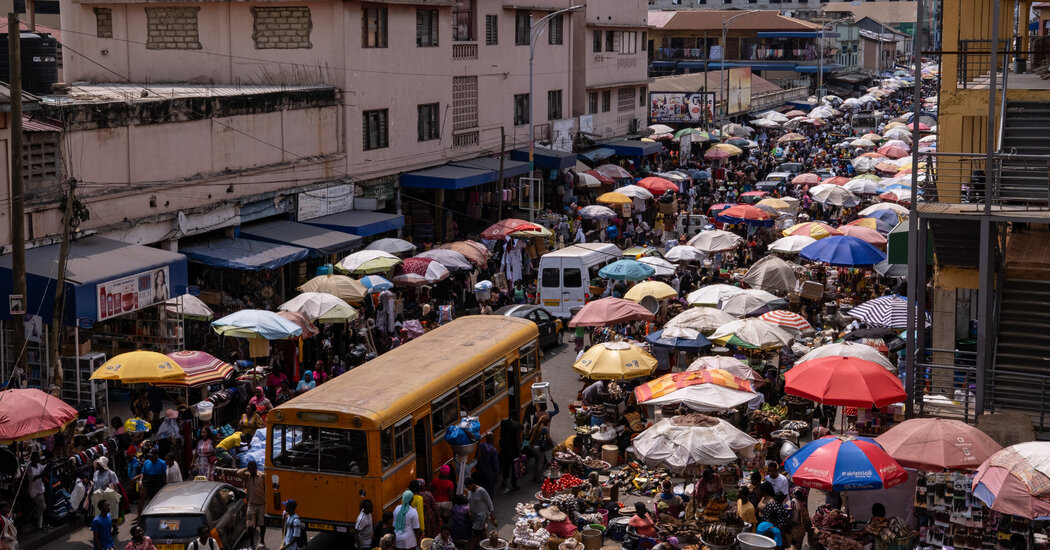
Ghana is facing a severe debt crisis, with the government essentially bankrupt and relying on the International Monetary Fund (IMF) for its 17th financial rescue since gaining independence in 1957. The country's debt load, estimated to be over $200 billion, threatens its economy and progress in education, healthcare, and income growth. The IMF has outlined a rescue plan for Ghana, but previous plans have not prevented recurring crises. The complex and extensive debt burden, including both foreign and domestic lenders, makes resolving the crisis challenging. Ghana's economy, heavily reliant on exports of raw materials, lacks diversification and sustainable growth. The need for financing and the flow of international capital contribute to the debt trap, with many countries lacking the savings and access to low-cost loans needed for development. Solutions proposed include debt forgiveness, increased low-cost lending from multilateral banks, and better tracking and auditing of loans.
Reading Insights
0
1
11 min
vs 12 min read
94%
2,294 → 146 words
Want the full story? Read the original article
Read on The New York Times