
Unraveling Saturn's Enigmatic 100-Year Megastorms
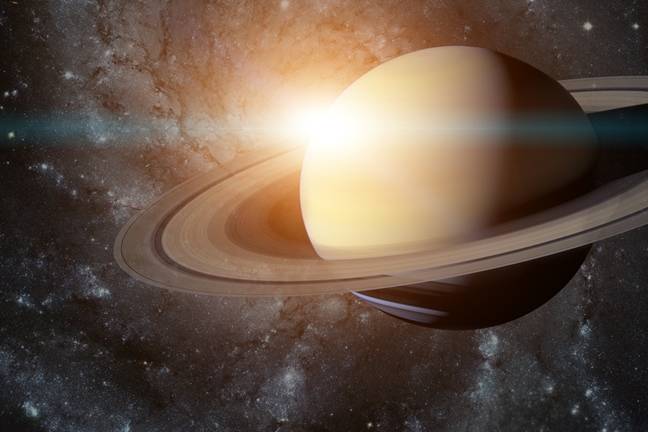
Scientists studying Saturn's mega storms have found evidence that fallout from these storms can last for centuries, challenging current theories of planetary formation. Radio emissions from Saturn's atmosphere revealed that the storms cause ammonia vapor to condense into "ammonia-rich mushballs" that rain down into the planet's depths, affecting its inner atmosphere. The storms, which resemble giant hurricanes, are different from their terrestrial counterparts as they form without the energy supply from a warm surface. The researchers also discovered that Saturn's atmospheric dynamics are substantially different from Jupiter's, with the bands on Saturn being dominated by the giant storms rather than temperature differences. The findings suggest a need to revise current theories of planetary formation.
- Saturn's mega-storms challenge planetary formation models The Register
- 100-year-long 'megastorms' on Saturn are creating radio signals that scientists can't fully explain Livescience.com
- Megastorms on Saturn: 100-Year-Long Storms Challenge Our Understanding of Gas Giants SciTechDaily
- The Aftermath of Saturn's Giant Storms Lasts for Centuries Inverse
- 100-year 'megastorms' on Saturn shower the ringed planet in ammonia rain Space.com
Reading Insights
0
2
3 min
vs 4 min read
82%
631 → 114 words
Want the full story? Read the original article
Read on The Register