
FDA Explores Artificial Wombs to Save Preemie Babies
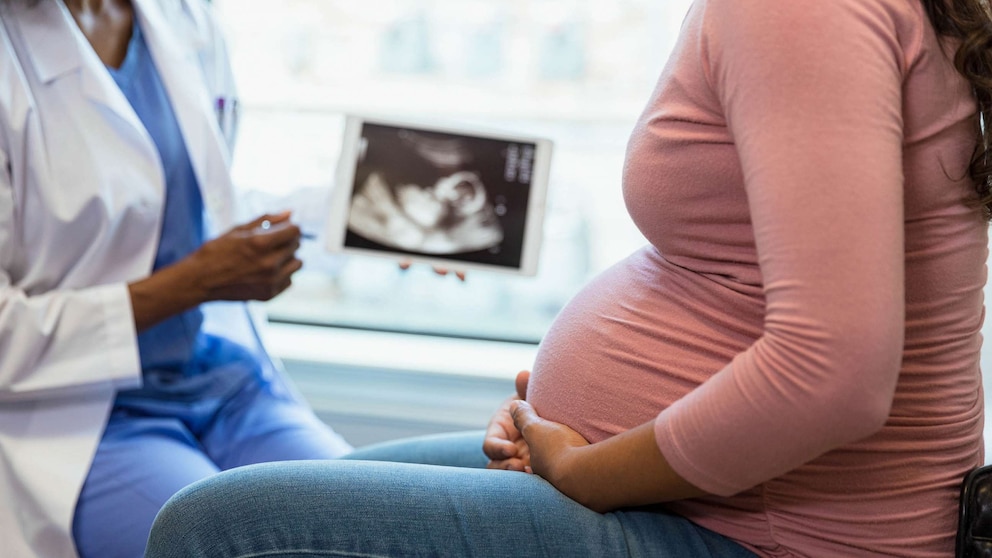
The U.S. Food and Drug Administration (FDA) has discussed the possibility of testing artificial wombs in human trials, which could potentially help premature babies survive. An artificial womb is an environment that mimics the womb, providing nutrients and medications through lines and tubes attached to the baby's blood vessels. While this technology has only been tested in animals so far, experts believe it could be critical in saving the lives of premature babies. However, there are ethical considerations and complexities to resolve before human trials can be conducted, including the potential long-term consequences and redefining the viability of pregnancy. Despite the challenges, neonatologists see the potential of artificial wombs as groundbreaking in the field of neonatology.
- FDA discusses using artificial wombs to help save preemie babies: What to know about the new technology ABC News
- FDA advisers discuss future of 'artificial womb' for human infants KSL.com
- FDA to meet on development of artificial womb technology Scripps News
- Researchers Seek FDA Nod to Test First-Ever 'Artificial Womb' on Humans | Weather.com The Weather Channel
- FDA Advisors Grapple With Logistical, Ethical Issues of Artificial Womb Technology Medpage Today
Reading Insights
0
1
2 min
vs 3 min read
80%
567 → 116 words
Want the full story? Read the original article
Read on ABC News