
Taj Mahal Faces Monsoon Floods, Surviving Memories of 1978 Devastation
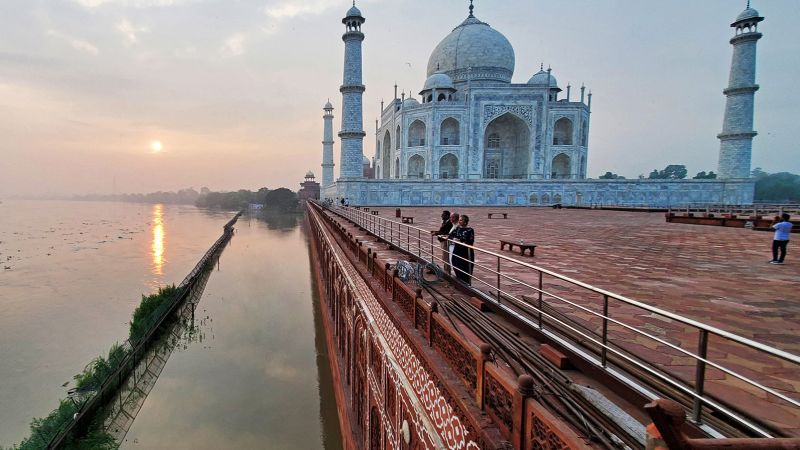
Devastating floods in northern India have reached the iconic Taj Mahal, with floodwaters from the Yamuna River lapping at the compound walls and submerging a nearby garden. While floods are common during the monsoon season, experts warn that climate change is increasing their frequency and severity. The Yamuna River has reached its highest level on record, prompting mass evacuations and causing dozens of deaths. India, one of the countries worst affected by the climate crisis, faces ongoing risks of flooding due to heavy rainfall and water releases from barrages. The Taj Mahal, already facing pollution and deterioration, is now at risk from extreme weather events. Other World Heritage sites, such as ancient Buddhist cave murals in China and cultural heritage sites in South Korea, are also under threat from climate change-induced floods and erosion.
- Floodwaters reach iconic Taj Mahal as northern India reels from massive deluge CNN
- Monsoon floods threaten India's Taj Mahal, but officials say the iconic building will be safe CBS News
- Memories of 1978 Delhi Floods: Survivors Recount Devastation, Displacement The Quint
- Yamuna river reaches the iconic Taj Mahal's outer walls in India after swelling with monsoon rains The Associated Press
- India: Record Breaking Yamuna Flood Water Level Reaches Taj Mahal Walls 2 KTBS
Reading Insights
0
5
2 min
vs 3 min read
74%
522 → 134 words
Want the full story? Read the original article
Read on CNN