
China's Lunar Rover Uncovers Mysterious Subsurface Structures on Dark Side of Moon
TL;DR Summary
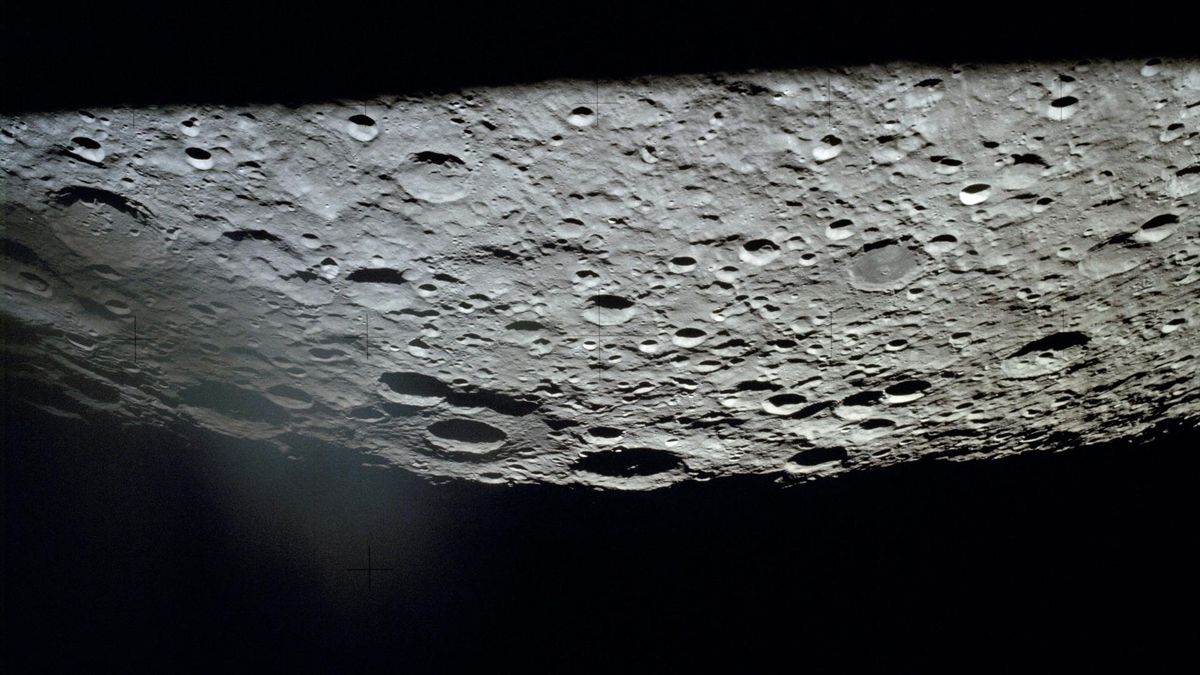
China's Chang'e-4 spacecraft, which landed on the far side of the moon in 2018, has used its Lunar Penetrating Radar (LPR) to map the upper 1,000 feet of the moon's surface in unprecedented detail. The data reveals billions of years of hidden lunar history, including multiple layers of dust, soil, broken rocks, and five distinct layers of lunar lava. The findings suggest that the moon's volcanic activity slowed down over time, indicating that it is geologically "dead." However, there could still be magma deep beneath the lunar surface. Scientists hope that future missions will uncover more unexpected geological formations.
Reading Insights
Total Reads
0
Unique Readers
1
Time Saved
3 min
vs 4 min read
Condensed
85%
662 → 99 words
Want the full story? Read the original article
Read on Livescience.com