
Plasma propulsion targets weeks-long Mars trips
TL;DR Summary
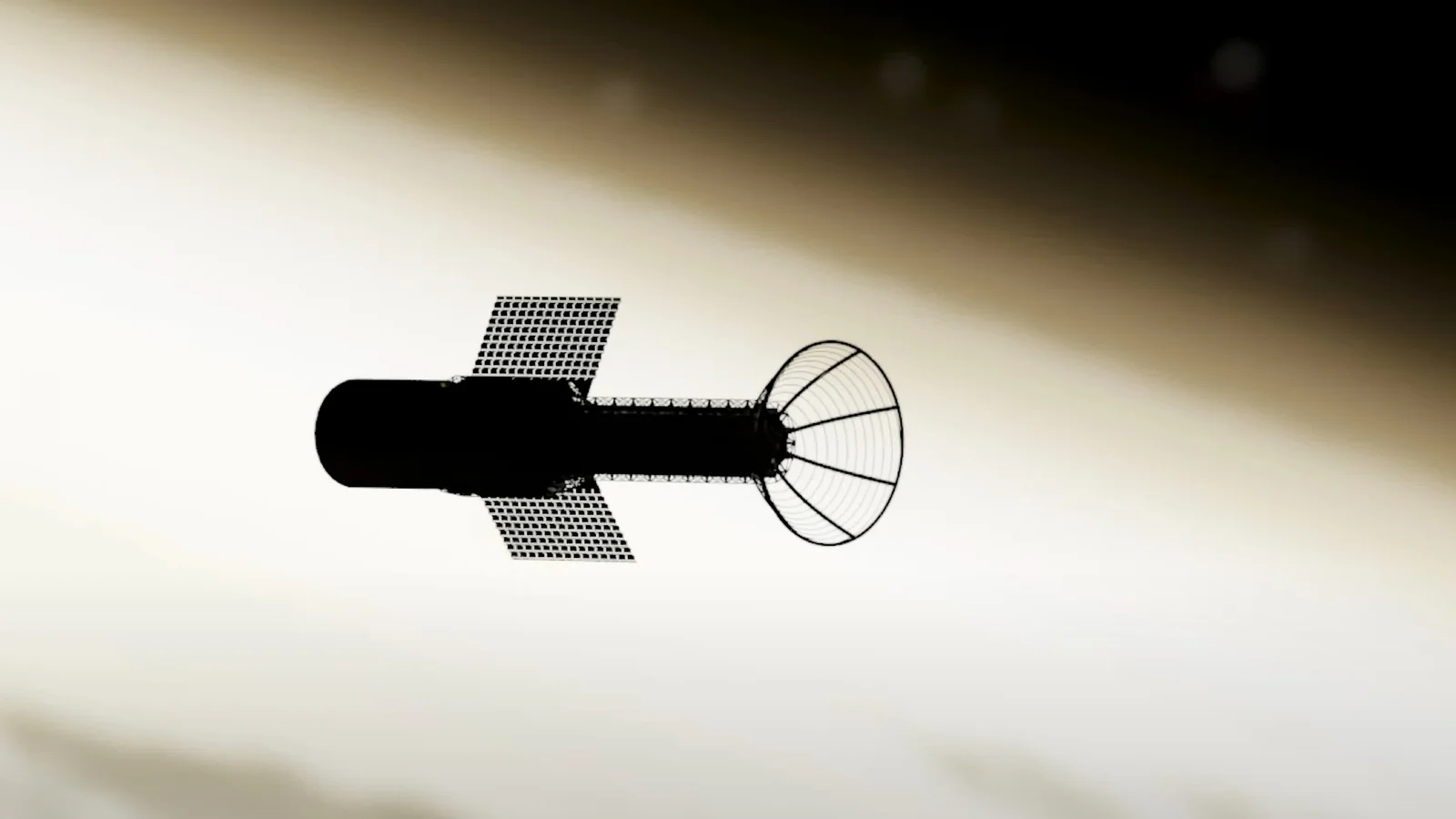
US, Russian, and Chinese teams are racing to turn plasma propulsion—using magnetically confined, ionized propellants—into a practical deep-space drive. Concepts like NASA's VASIMR and Pulse Plasma Rocket, along with Rosatom's magnetoplasma accelerator, promise far higher exhaust velocities than chemical rockets and could cut Mars transit from months to weeks (with some projections around a month), but significant challenges remain in power generation, heat management, and material durability before a crewed mission is feasible.
- Plasma engines are emerging as the next frontier in deep-space propulsion TechSpot
- Russia could reach Mars in just 30 days if the plasma propulsion technology announced by Rosatom works outside the laboratory, altering historical timelines, costs, human safety, and the balance of global space exploration CPG Click Petróleo e Gás
- Russian scientists test plasma engine that could cut Mars travel to about 30 Days WION
- Russia is building a plasma engine to get humans to Mars in 30 days MSN
Reading Insights
Total Reads
1
Unique Readers
11
Time Saved
2 min
vs 3 min read
Condensed
87%
571 → 73 words
Want the full story? Read the original article
Read on TechSpot