
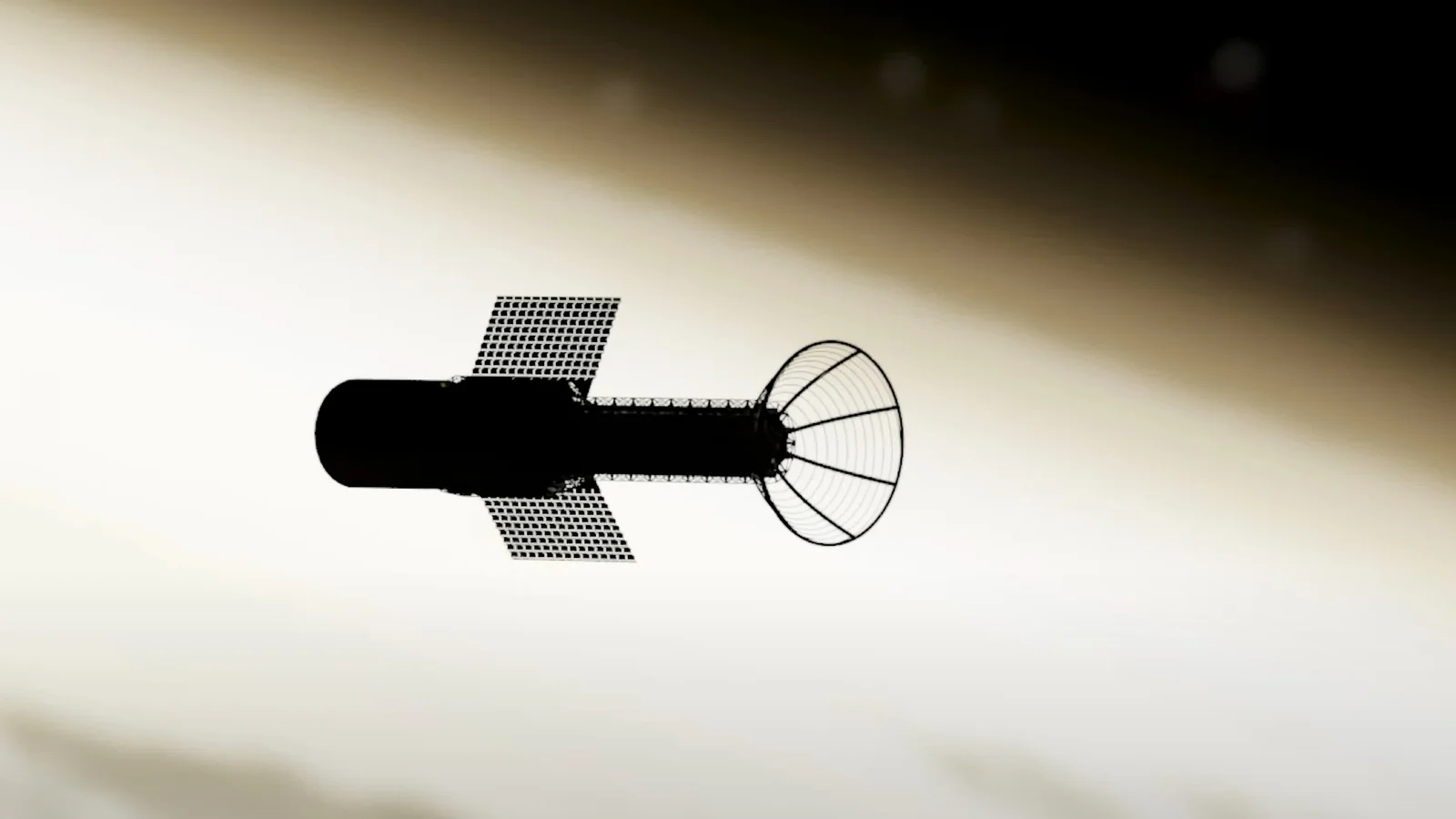
Plasma propulsion targets weeks-long Mars trips
US, Russian, and Chinese teams are racing to turn plasma propulsion—using magnetically confined, ionized propellants—into a practical deep-space drive. Concepts like NASA's VASIMR and Pulse Plasma Rocket, along with Rosatom's magnetoplasma accelerator, promise far higher exhaust velocities than chemical rockets and could cut Mars transit from months to weeks (with some projections around a month), but significant challenges remain in power generation, heat management, and material durability before a crewed mission is feasible.