
Overcoming Metal 3D-Printing Challenges for Widespread Use
TL;DR Summary
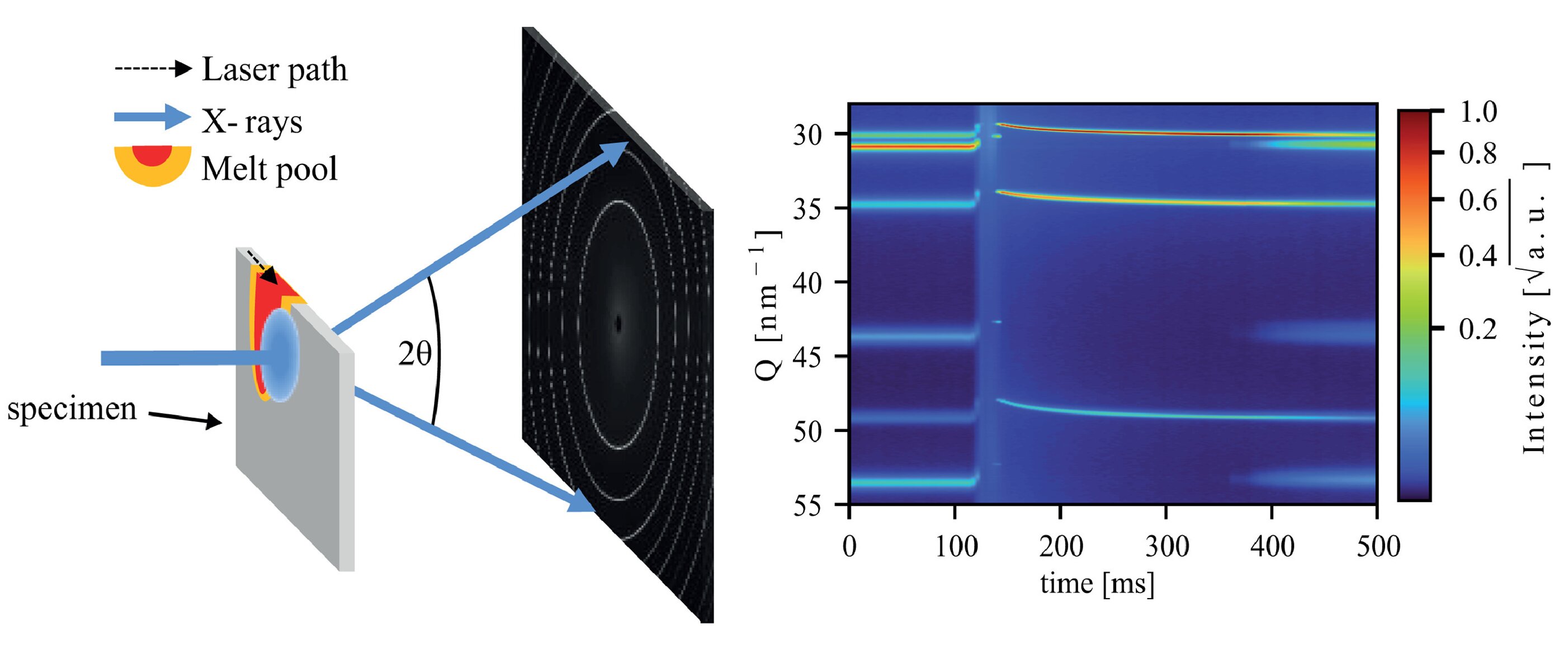
Researchers at the National Institute of Standards and Technology (NIST) and KTH Royal Institute of Technology in Sweden have used high-speed X-ray diffraction to identify the crystal structures that form within steel as it is 3D-printed. The findings unlock a computational tool for 3D-printing professionals, offering them a greater ability to predict and control the characteristics of printed parts, potentially improving the technology's consistency and feasibility for large-scale manufacturing.
Reading Insights
Total Reads
0
Unique Readers
1
Time Saved
5 min
vs 5 min read
Condensed
93%
972 → 69 words
Want the full story? Read the original article
Read on Tech Xplore