
EyeDAR Streetlight Radar Expands Self-Driving Cars' View
TL;DR Summary
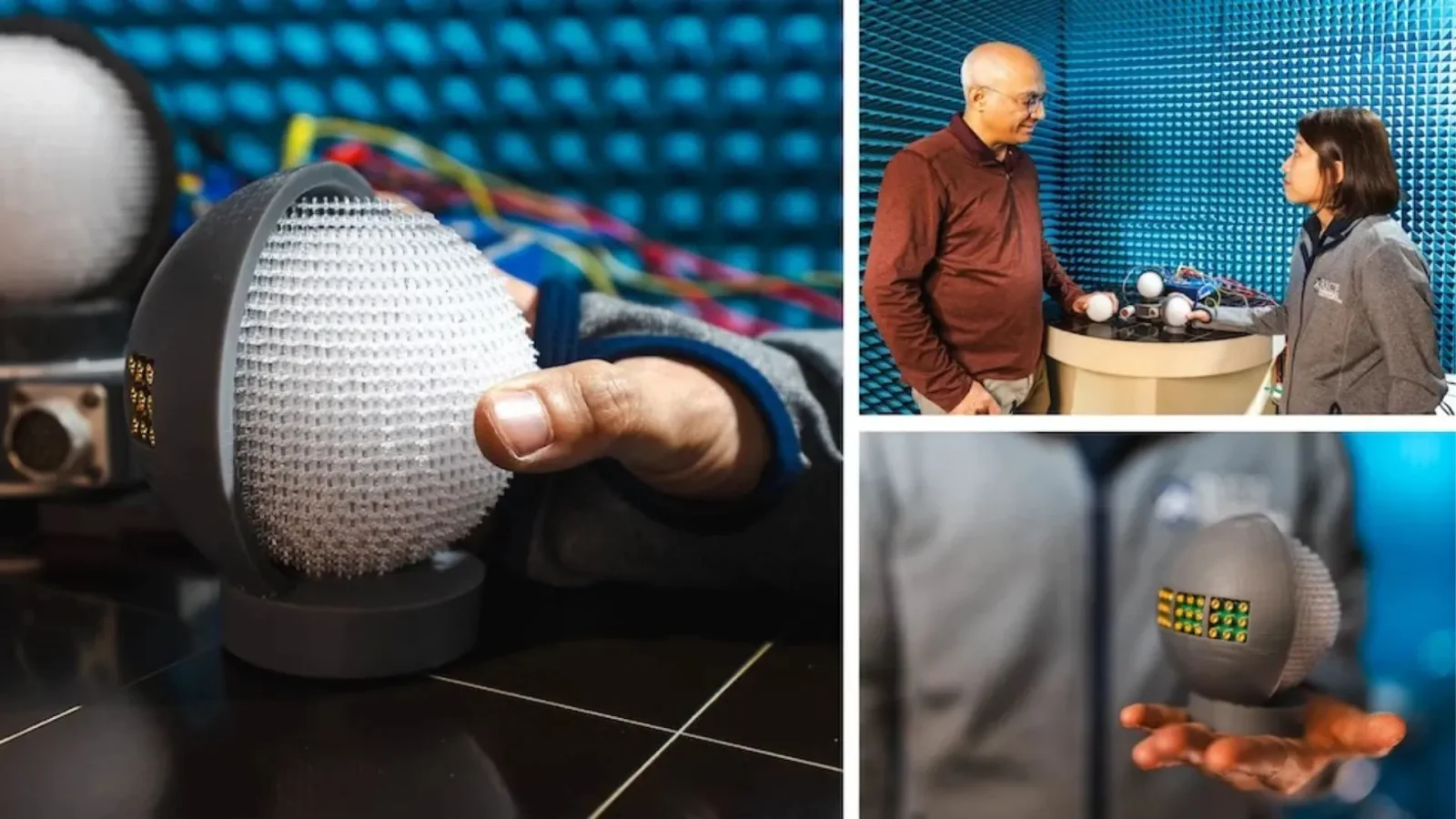
Rice University researchers developed EyeDAR, a compact orange radar sensor mounted on streetlights that acts as an external set of eyes for autonomous vehicles, maintaining detection in fog, rain, and low light. Using a 3D-printed Luneburg lens and analog computing, EyeDAR conveys sensing data to vehicles, extending their view while cutting reliance on onboard computing; in tests it resolved target directions 200 times faster than existing digital radar, suggesting potential city-wide deployment across stop signs and traffic signals to improve safety.
Topics:science#analog-computing#autonomous-vehicles#eyedar#infrastructure-based-radar#innovation#luneburg-lens
- Orange-sized roadside radar ‘eyes’ aim to reduce self-driving vehicle blind spots Interesting Engineering
- External radar sensor to increase safety in autonomous driving heise online
- Extra ‘Set Of Eyes’ For Self-Driving Cars: Roadside Radar Sensors Could Reduce Blind Spots Eurasia Review
- Biomimetic EyeDAR looks to boost self-driving safety The Engineer
- This low-cost orange-sized sensor could be what self-driving cars need to hit public roads Digital Trends
Reading Insights
Total Reads
0
Unique Readers
1
Time Saved
12 min
vs 13 min read
Condensed
97%
2,462 → 81 words
Want the full story? Read the original article
Read on Interesting Engineering