
"Revealing the Surprising Carbon Footprint of Urban Agriculture"
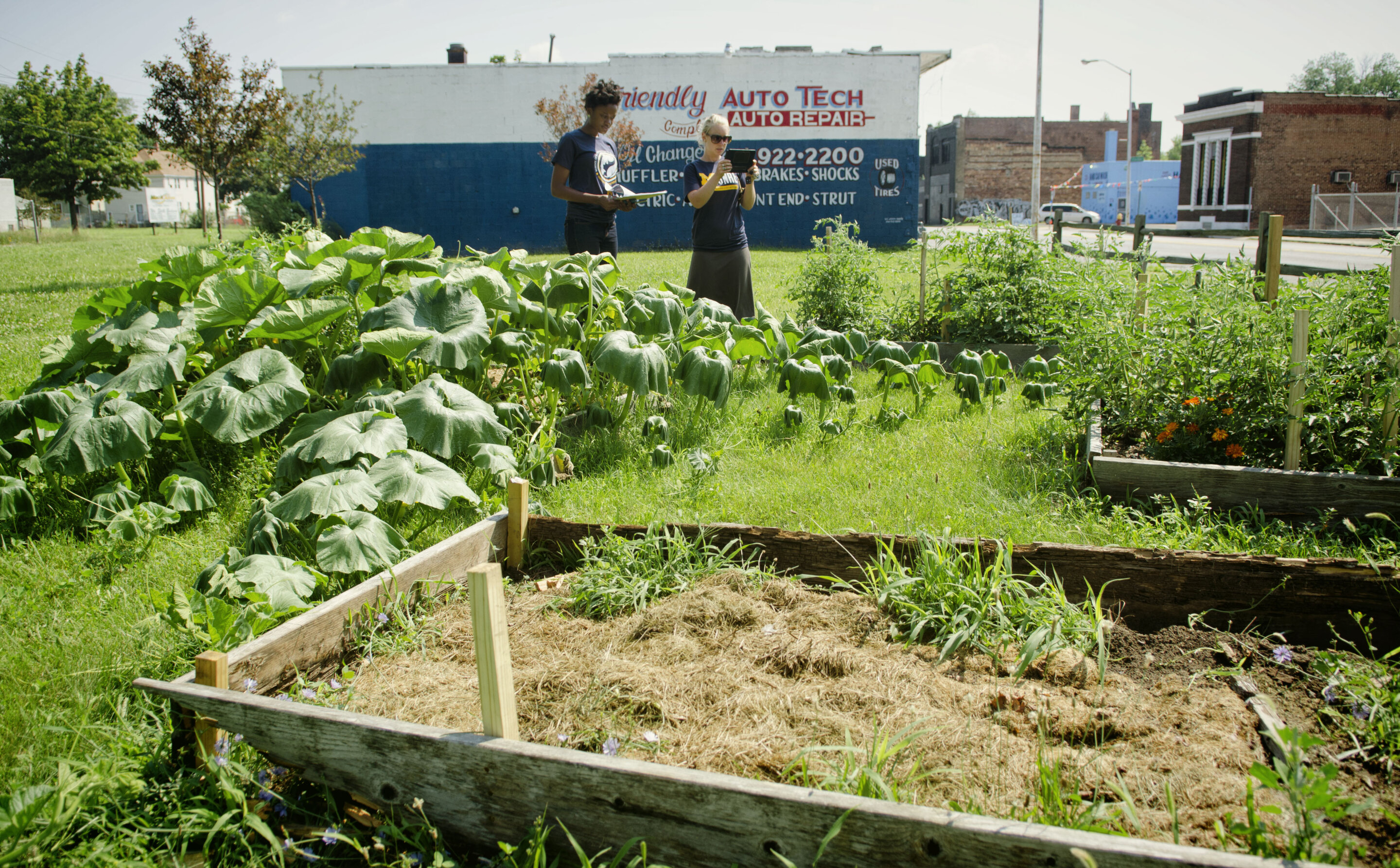
A University of Michigan-led study finds that fruits and vegetables grown in urban farms and gardens have a carbon footprint six times greater than conventionally grown produce, with exceptions for certain crops like tomatoes and air-freighted produce. The study, published in Nature Cities, compared the carbon footprints of food produced at low-tech urban agriculture sites to conventional crops, revealing that urban agriculture emits 0.42 kilograms of carbon dioxide equivalents per serving, significantly higher than conventional agriculture. The researchers identified best practices to make low-tech urban agriculture more carbon-competitive with conventional agriculture, emphasizing the importance of extending infrastructure lifetimes, using urban wastes as inputs, and generating high levels of social benefits.
- Food from urban agriculture has carbon footprint six times larger than conventional produce, study shows Phys.org
- Urban agriculture beats conventional agriculture on climate — if it's done right The Hill
- Urban Farming Has A Shockingly High Climate Cost — Here’s How Growers Can Bring Carbon Down, According To Scientists Forbes
- Urban agriculture isn't as climate-friendly as it seems – but these best practices can transform gardens and city farms The Conversation
- Carbon footprint of homegrown food five times greater than those grown conventionally The Telegraph
Reading Insights
0
1
5 min
vs 6 min read
90%
1,054 → 110 words
Want the full story? Read the original article
Read on Phys.org