
The Impact of Urbanization on Heat Waves and AC Maintenance
TL;DR Summary
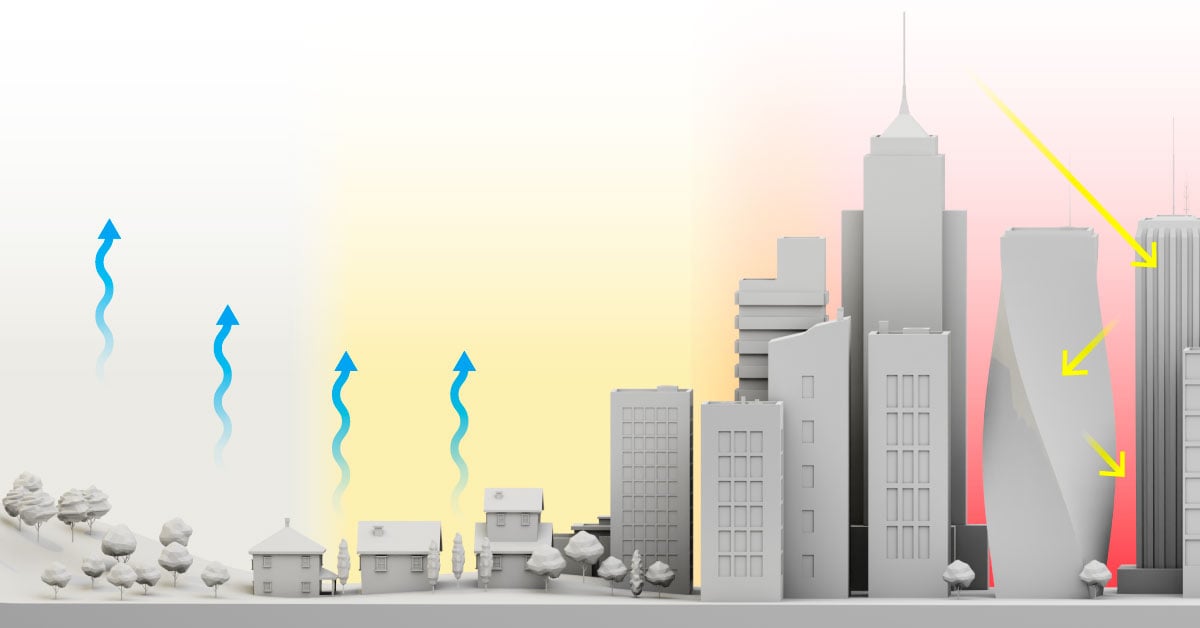
Concrete and asphalt surfaces in urban areas can reach temperatures as high as 82°C (180°F) on the hottest days, posing a risk of burns to individuals. These surfaces absorb and radiate up to 95% of the sun's energy, contributing to the formation of urban heat islands, where temperatures can be 1 to 3°C (1.8 to 5.4°F) warmer than surrounding rural areas. The lack of green spaces and vegetation exacerbates this effect, trapping heat at night. Creating more green spaces in cities can help mitigate high temperatures and improve quality of life.
- How concrete, asphalt and urban heat islands add to the misery of heat waves Reuters
- These Photos Show How Urban Growth Fuels Extreme Heat The Wall Street Journal
- Battling extreme heat isn't just personal. Our infrastructure needs changes too NPR
- AC in Phoenix: Your guide to air conditioning maintenance and settings The Arizona Republic
- In Phoenix, Record Heat Is Being Fueled by Urban Sprawl Bloomberg
- View Full Coverage on Google News
Reading Insights
Total Reads
0
Unique Readers
1
Time Saved
4 min
vs 5 min read
Condensed
89%
816 → 91 words
Want the full story? Read the original article
Read on Reuters