
The Impact of Urbanization on Heat Waves and AC Maintenance
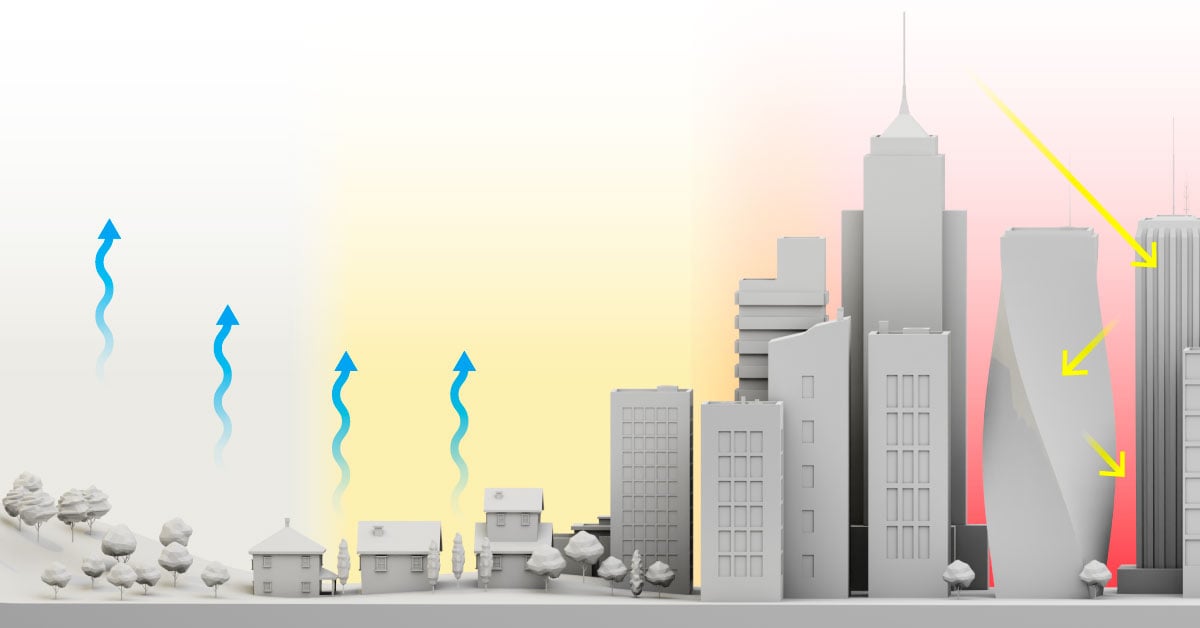
Concrete and asphalt surfaces in urban areas can reach temperatures as high as 82°C (180°F) on the hottest days, posing a risk of burns to individuals. These surfaces absorb and radiate up to 95% of the sun's energy, contributing to the formation of urban heat islands, where temperatures can be 1 to 3°C (1.8 to 5.4°F) warmer than surrounding rural areas. The lack of green spaces and vegetation exacerbates this effect, trapping heat at night. Creating more green spaces in cities can help mitigate high temperatures and improve quality of life.