
The Lingering Impact of Long Covid: Lessons Learned and Unanswered Questions
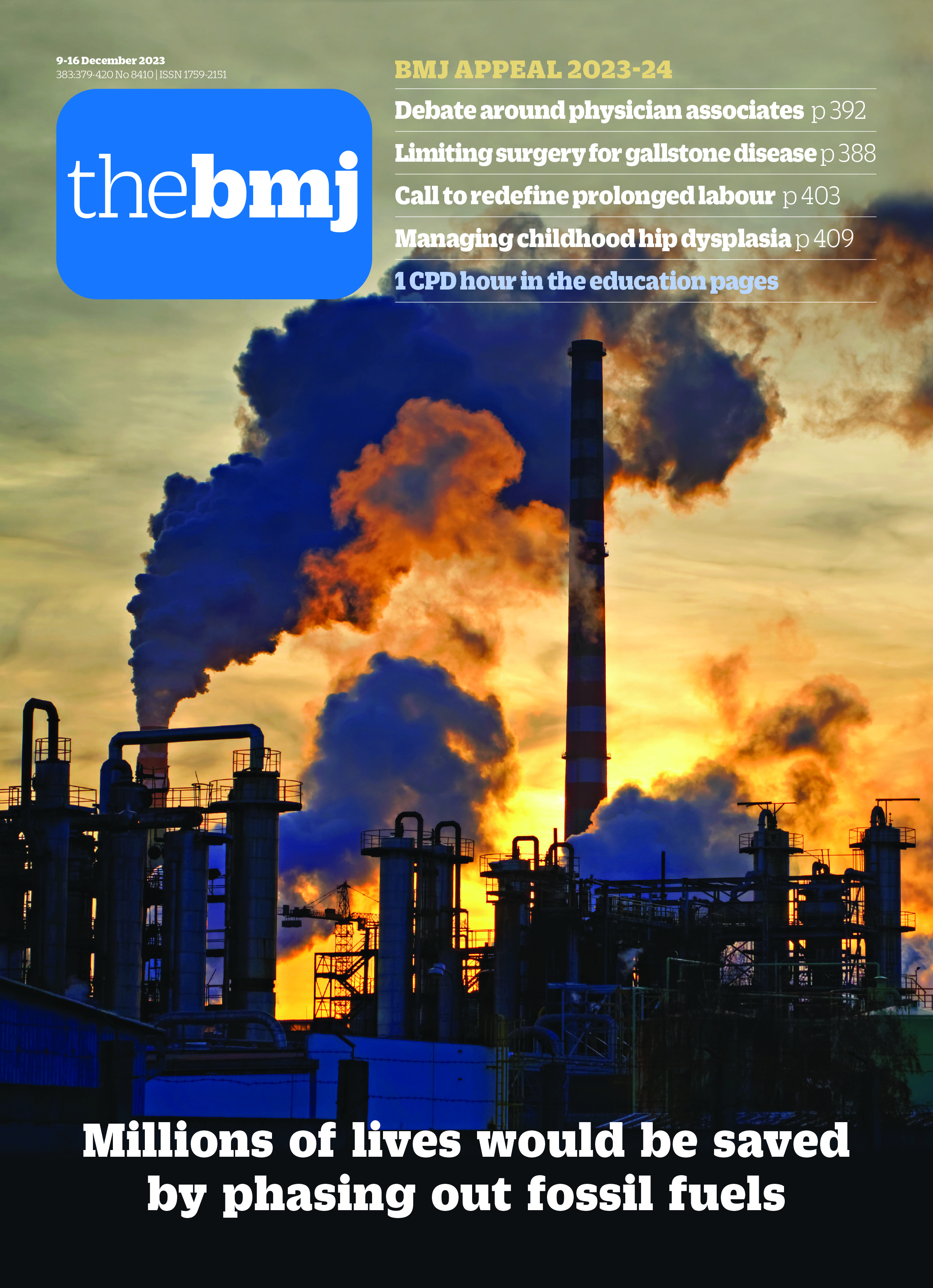
As of March 2023, an estimated 1.7 million people in the UK are living with long Covid symptoms lasting at least 12 weeks, with almost 400,000 experiencing significant impact on their daily activities. Rates of recovery after 12 weeks are slow, and the chance of developing long Covid was highest for those infected in 2020. Long Covid is associated with increased health service use and a growing number of people out of work due to chronic sickness. Research has identified distinct serum biomarkers associated with different clusters of symptoms, allowing for potential treatments to be designed. However, there is a lack of trials evaluating treatments for long Covid, with a perception that it is "too early" for randomized controlled trials. The impact of long Covid should have been factored into pandemic response and policy decisions, and consideration of post-viral syndromes should be included in responses to future pandemics.
- Long covid: where are we, what does it say about our pandemic response, and where next? The BMJ
- Opinion | Reporting on Long Covid Taught Me to Be a Better Journalist The New York Times
- No treatment, no cure: Patients await answers about debilitating disease related to long COVID KSTP
- Almost a third of COVID survivors report symptoms 2 years post-infection University of Minnesota Twin Cities
- Chinese scientists published first study on long COVID at 3 years after primary infection Global Times
Reading Insights
0
1
6 min
vs 7 min read
89%
1,329 → 148 words
Want the full story? Read the original article
Read on The BMJ