
Identifying Autism Risk and Subtypes through Molecular and Genetic Analysis
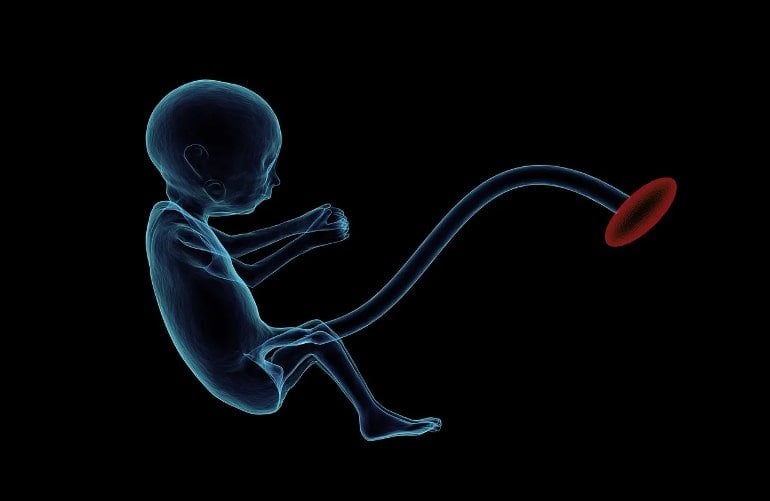
Specific molecules found in maternal and cord blood samples have been linked to an increased risk of a child being later diagnosed with autism, according to a new study. The study analyzed levels of 1,208 different chemical compounds in plasma samples collected from 408 mothers at mid-gestation and in cord blood taken from 418 children at birth. The researchers found 12 chemical compounds in maternal mid-gestation samples of ASD girls, 3 compounds in maternal mid-gestation samples of ASD boys, 8 compounds in cord blood samples of ASD girls, and 12 compounds in cord blood samples of ASD boys to be linked to autism, including those that involve inflammation, disruption of membrane integrity, and impaired neurotransmission and neurotoxicity. Machine learning analyses suggested the potential utility of the compounds as biomarkers, especially those in cord blood, for early identification of children at risk for ASD.
- Molecular Signatures in Maternal and Cord Blood Linked to Autism Risk Neuroscience News
- Four different autism subtypes identified in brain study | Cornell Chronicle Cornell Chronicle
- Researchers Unlock Genetic Mutations Contributing to Disorders in the Brain National Institute of Mental Health
- Metabolomic analysis of maternal mid-gestation plasma and cord blood in autism spectrum disorders | Molecular Psychiatry Nature.com
- Scientists identify autism subgroups, could lead to tailor-made support The Jerusalem Post
Reading Insights
0
1
5 min
vs 6 min read
87%
1,078 → 143 words
Want the full story? Read the original article
Read on Neuroscience News