
The Link Between a Common Food Ingredient and Arthritis
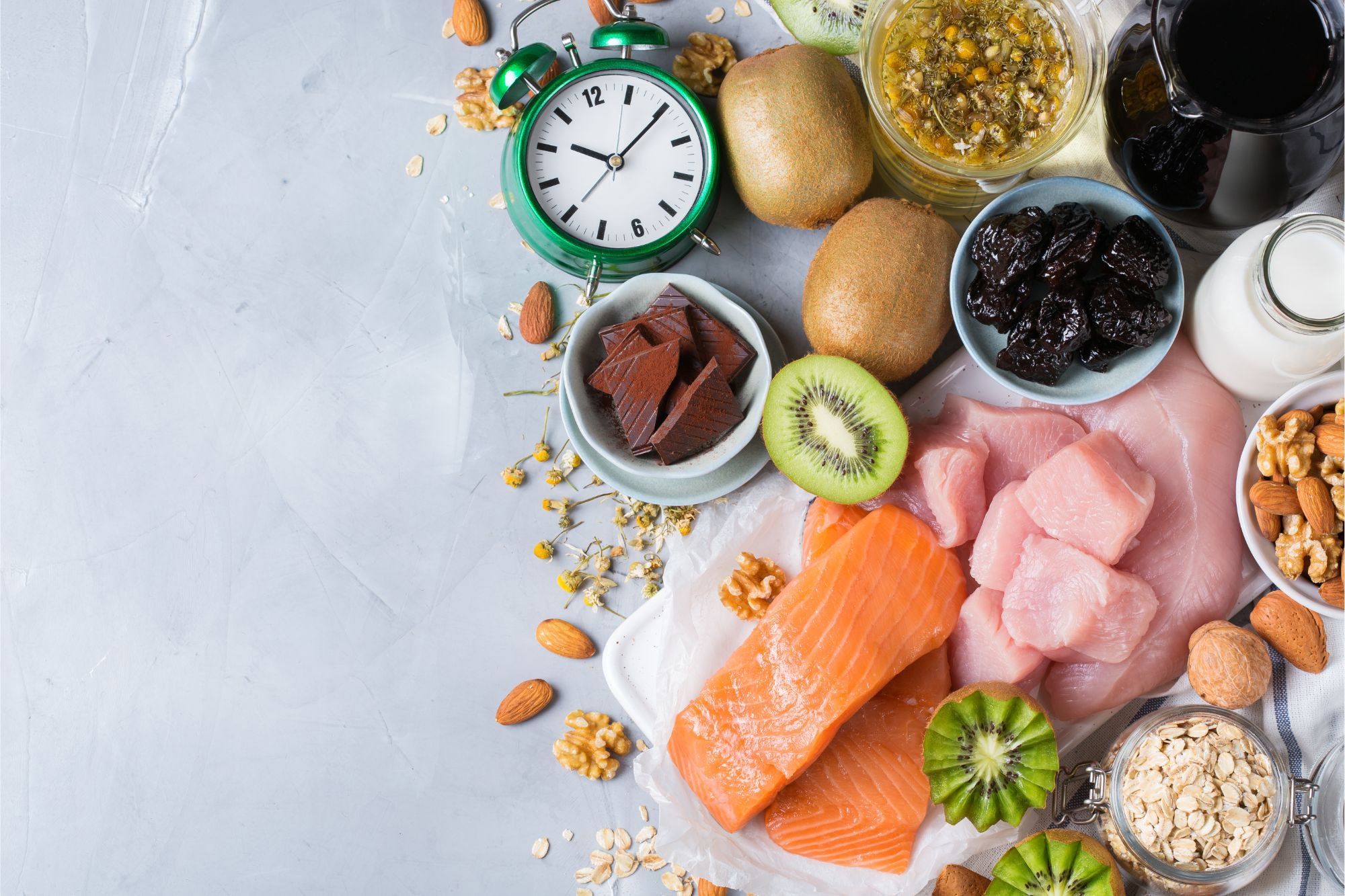
Researchers at the University of Colorado have found that gut bacteria can convert dietary tryptophan into an inflammatory chemical that may contribute to arthritis, offering potential insights for treatments. The study suggests that manipulating gut bacteria to alter tryptophan processing could provide a therapeutic pathway for rheumatoid arthritis and related conditions. Tryptophan, an essential amino acid found in protein-rich foods, can be metabolized by gut bacteria into a chemical that triggers inflammation, potentially leading to arthritis. The research, published in the Journal of Clinical Investigation, highlights the role of indole production in stimulating the development of arthritis in mice and suggests that blocking indole generation may present a unique therapeutic pathway for rheumatoid arthritis and spondyloarthritis.
Reading Insights
0
8
4 min
vs 5 min read
87%
901 → 116 words
Want the full story? Read the original article
Read on SciTechDaily