
Amygdala networks altered by smartphone overuse disrupt emotion regulation
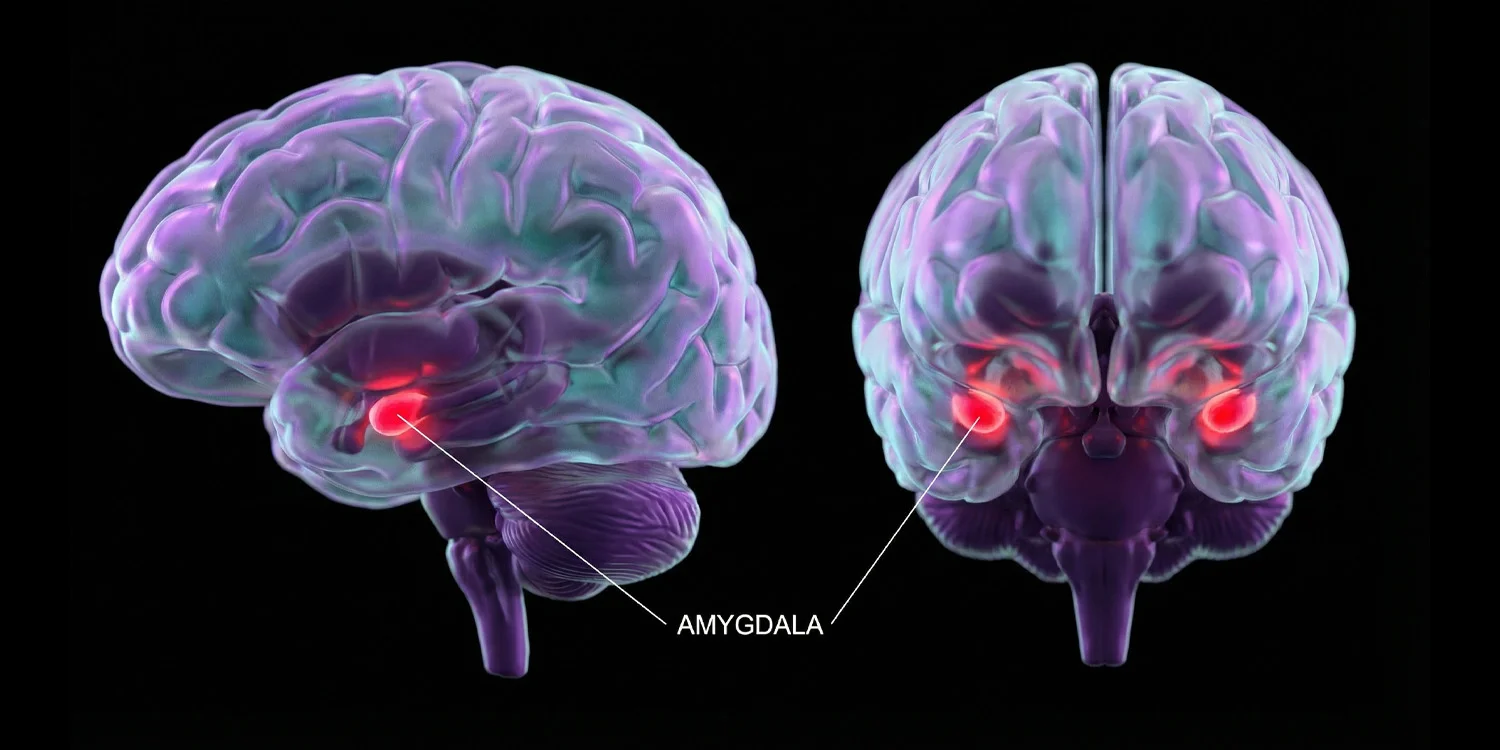
A resting-state fMRI study of 72 college students finds that problematic smartphone use is linked to an imbalance in amygdala connectivity: the right amygdala shows stronger ties to the right temporal pole (involved in social-emotional processing) and weaker connections to the right thalamus, left precuneus (default mode network), and cerebellum, while the left amygdala shows increased connectivity with cognitive-control areas and reduced cerebellar links. These neural differences correlate with higher smartphone dependence and greater difficulty regulating negative emotions, suggesting an overactive emotional system paired with weaker cognitive regulation; however, the cross-sectional design prevents causal conclusions.
Reading Insights
1
1
23 min
vs 24 min read
98%
4,639 → 95 words
Want the full story? Read the original article
Read on PsyPost