
Russia's Oil Industry Adapts to Shifting Trade Routes and Sanctions.
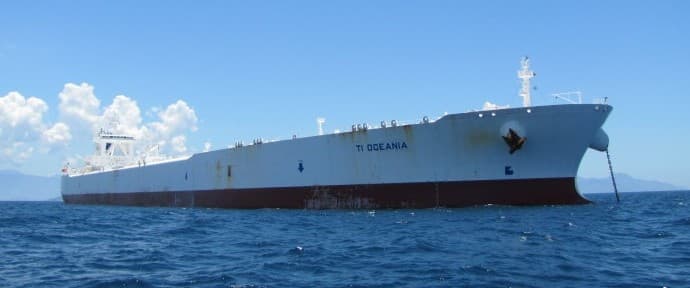
Western embargoes on seaborne imports of Russian crude and refined products have disrupted traditional oil shipping routes, leading to inefficient trade patterns and higher shipping costs for petroleum products. The EU ban on Russian petroleum products has resulted in Russia diverting its oil product cargoes to North Africa and Asia, while Europe has increased imports from the Middle East, Asia, and North America. This has boosted demand for tankers hauling petroleum products, with orders for fuel tankers soaring to the highest in a decade. The changes in clean petroleum product trade flows out of Russia have exacerbated tightness in the global market, with vessel requirements in the medium-range segment increasing and fleet growth staying limited for at least the next two years.
- Oil Tanker Markets Upended As Trade Routes Shift OilPrice.com
- The price cap on Russian oil seems to be working Axios
- Russia's Flagship Oil Is Moving Ever Closer to $60-a-Barrel Price Cap gCaptain
- Russia's Murky Measures Keep Its Oil Flowing Despite Sanctions Bloomberg
- From shadow fleets for crude oil sales to new Asian trade routes: How Russia is evading Western sanctions EL PAÍS USA
Reading Insights
0
10
4 min
vs 5 min read
85%
822 → 122 words
Want the full story? Read the original article
Read on OilPrice.com