
The Impact of AI on Cybersecurity: From Phishing Emails to Malware Detection
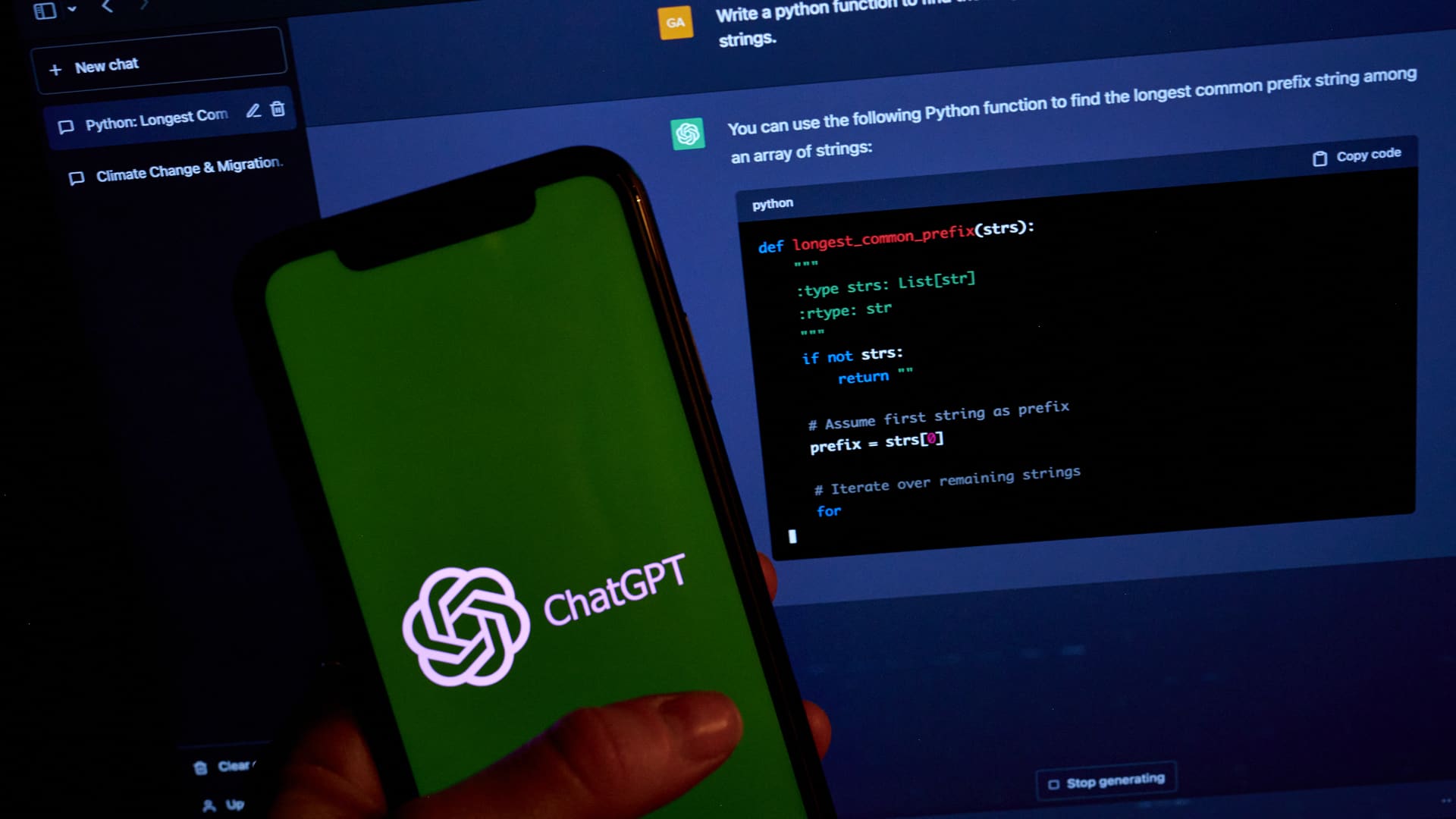
The use of generative artificial intelligence (AI) tools, such as ChatGPT, has led to a significant increase in malicious phishing emails, with a 1,265% rise in the fourth quarter of 2022 alone, according to a report by cybersecurity firm SlashNext. Cybercriminals are leveraging AI tools to write sophisticated and targeted business email compromise (BEC) and other phishing messages, resulting in an average of 31,000 phishing attacks sent daily. The report highlights the speed, volume, and sophistication of AI-based threats, which have been facilitated by the launch of ChatGPT. The success of phishing attacks, which have caused billions of dollars in losses, has prompted cybercriminals to double down on these tactics. Cybersecurity professionals are advised to provide continuous end-user education, implement email filtering tools, conduct regular testing and security audits, and enhance existing security infrastructure to mitigate the risks posed by AI-generated email attacks.
- AI tools such as ChatGPT are generating a mammoth increase in malicious phishing emails CNBC
- 7 Uses for Generative AI to Enhance Security Operations The Hacker News
- Chatbot Boom Has Cyber Experts Racing to Counter AI Hacking Bloomberg
- AI Boosts Malware Detection Rates by 70% Infosecurity Magazine
- AI for Security, and Security for AI: Two Aspects of a Pivotal Intersection S&P Global
- View Full Coverage on Google News
Reading Insights
0
7
4 min
vs 5 min read
85%
934 → 143 words
Want the full story? Read the original article
Read on CNBC