legalreproductive-rights4.71 min read
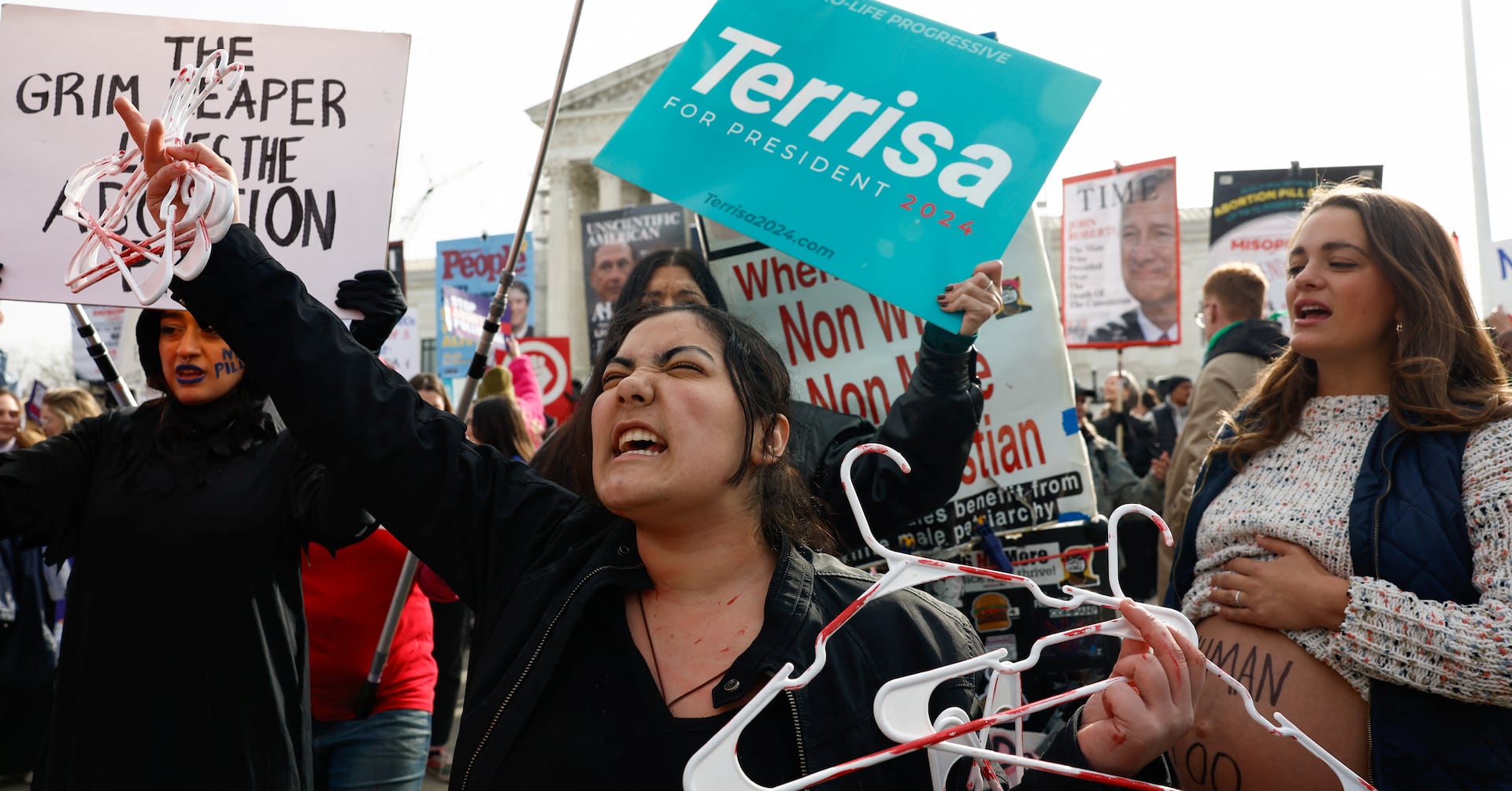
"Supreme Court Grapples with Abortion Pill Access in Landmark Case"
1 year ago•Source: Reuters

The latest legalreproductive rights stories, summarized by AI
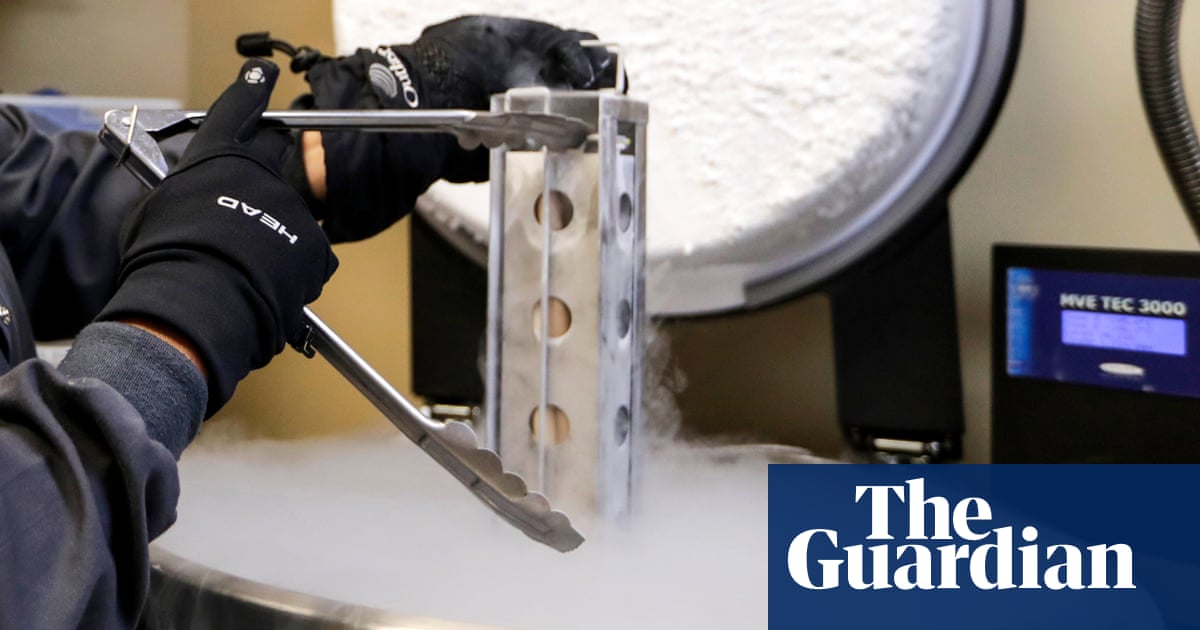
The Alabama supreme court has ruled that frozen embryos are considered "children" under the state's existing law, allowing two wrongful death suits against a fertility clinic to proceed. This decision could have significant implications for assisted reproductive technology treatments and may increase the criminalization of expectant people. The ruling, which references God and the sanctity of life, has sparked debate and is expected to elevate the issue of personhood ahead of the 2024 elections.

The Philadelphia Inquirer•2 years ago
ABC News•2 years ago

The Supreme Courts in Arizona, New Mexico, and Wyoming will hear cases this week that will determine the future of abortion access in these states. In Arizona, the court will reconsider which of two conflicting abortion laws will be enforced. In New Mexico, the court will decide whether local ordinances restricting abortion providers are lawful. In Wyoming, the court will determine if two Republican lawmakers and an anti-abortion group can intervene in a lawsuit challenging the state's near-total abortion bans. The outcomes of these cases will have significant implications for reproductive rights in the Mountain West region.

The Texas Supreme Court has temporarily halted a lower court ruling that allowed a pregnant woman, Katie Cox, to have an abortion. Cox, who is 20 weeks pregnant, has a fetus diagnosed with a condition that often leads to miscarriage or stillbirth. Her doctors have warned that carrying the pregnancy to term could result in serious injury, including uterine rupture. The Center for Reproductive Rights, representing Cox, expressed concern that justice delayed could be justice denied in this urgent medical care case. Texas has strict abortion laws, outlawing the procedure from fertilization, and also has a controversial "bounty law" that rewards citizens who sue those involved in obtaining an abortion.

Texas Attorney General Ken Paxton has petitioned the Texas Supreme Court to intervene in the case of a pregnant woman who was granted permission by a lower court judge to obtain an emergency abortion. The decision marks a significant development in the ongoing debate over the state's medical exception to its controversial ban on abortions after six weeks. Paxton has threatened prosecution against anyone who helps facilitate the abortion, and in a letter to three hospitals, he warned that Thursday's ruling "will not insulate you, or anyone else, from civil and criminal liability." The woman seeking the abortion, Kate Cox, has a fatal genetic condition in her unborn baby and is at high risk for severe complications. Attorneys for Cox and the Center for Reproductive Rights have responded to Paxton's petition, calling it a disregard for Cox's life and the rule of law.
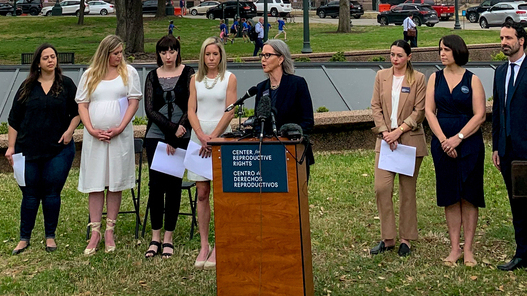
The Texas Supreme Court is set to hear a case brought by the Center for Reproductive Rights, which argues that the state's abortion laws harm women facing pregnancy complications. The lawsuit has grown to include 20 patients and two physicians as plaintiffs, challenging the narrow medical exceptions in Texas's abortion bans. Texas Attorney General Ken Paxton is defending the state's laws and seeking dismissal of the case. The court will consider whether to apply a temporary injunction that would give doctors greater discretion in performing abortions when a woman's health is threatened or a fetus has a fatal condition. The outcome could impact the availability of abortions in Texas.

Texas officials, while defending themselves against a lawsuit filed by a prison guard who experienced a stillbirth while on duty, argued that an "unborn child" may not have rights under the US constitution, contradicting their previous support for restrictions on abortion. The guard and her husband are seeking restitution for medical and funeral costs, as well as pain and suffering. The Texas attorney general's office and the prison agency argue that the agency should not be held responsible for the stillbirth and question whether the fetus had rights as a person. The lawsuit will proceed, but the arguments over the rights of the fetus have not been addressed. The overturning of Roe v Wade has allowed states to enact restrictive abortion laws, leading to ongoing legal challenges.