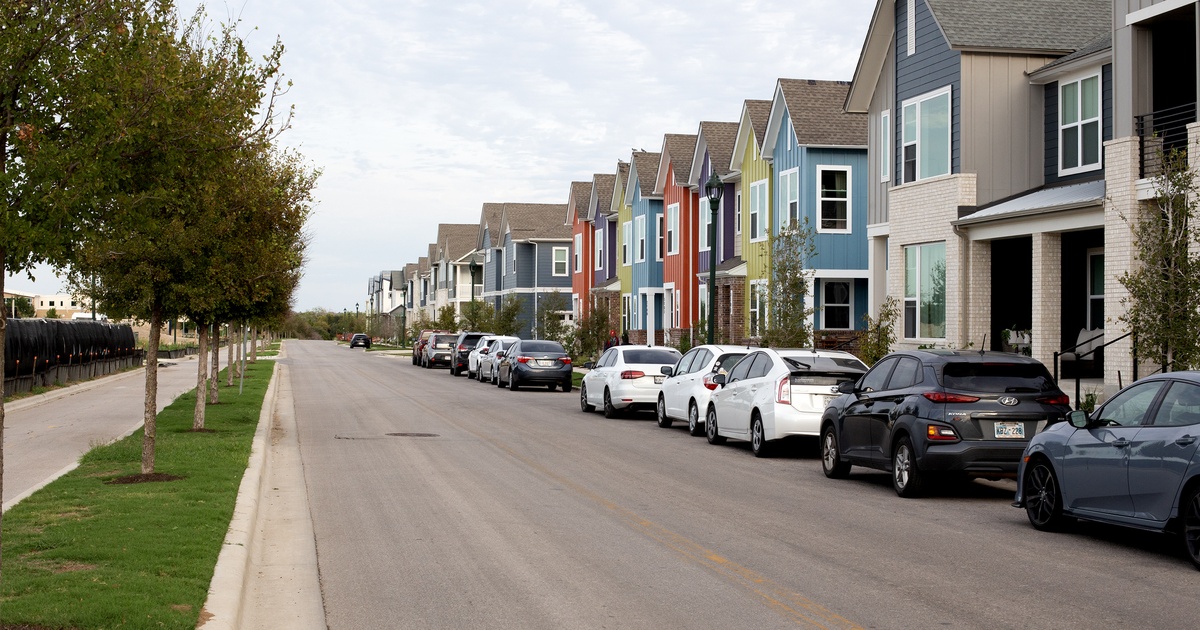
The Austin City Council has voted to allow the construction of more homes on single-family lots in an effort to address the housing affordability crisis. The change will permit up to three housing units, such as duplexes and triplexes, on almost any lot in the city where single-family homes are currently allowed. Critics argue that denser housing will negatively impact existing neighborhoods and displace low-income residents without providing affordable housing. This decision is part of a broader push by Austin officials to relax city rules and stimulate more housing construction.

The U.S. Department of Justice (DOJ) has intervened in a federal lawsuit filed by St. Timothy's Episcopal Church in Brookings, Oregon, over fines imposed by the city for providing homeless services. The DOJ argues that the city's zoning restrictions on the church's ability to feed the homeless violate federal antidiscrimination laws and religious freedoms. The lawsuit claims that the city's ordinance, which requires churches to obtain a license and imposes scheduling restrictions on homeless services, is burdensome and discriminatory. The DOJ's intervention is part of an initiative to enforce the federal law protecting religious institutions from unduly burdensome land use regulations. The church is hopeful that the federal intervention will result in a favorable ruling and set a precedent for similar cases nationwide.
The Gullah-Geechee community, descendants of enslaved people, are fighting against the removal of zoning restrictions in Hogg Hammock, a historic area on Sapelo Island, Georgia. The community fears that the removal of these restrictions will lead to wealthy transplants developing larger homes, increasing property taxes, and displacing them. The county, which is 65% white, has voted to remove language acknowledging the area's unique needs and preventing the removal of the indigenous population. This dispute is the latest in a series of conflicts between county officials and the small historic Black community, who have previously protested against property tax increases and sued the county for racial discrimination. Residents and state lawmakers are calling for a delay in the vote to protect their cultural history and heritage.